

This December sees Ravioli, Ravioli, Ravioli complete it’s fourth year of mostly budget photography related activity and as people love to describe any kind of period of time or change, we’ve been “on a journey” this year. There’s been web server moves, the site getting destroyed by AI crawlers, running away from riots in the name of photography, writing the most popular post this site has ever seen by a mile, spending far too much of my life recreating Windows 98 and IE5 for a micro site dedicated to the Kodak DC210 and well and truly abandoning my budget principles by buying a Leica.
However, I am nothing if not consistent. In 2024 I bashed out 23 articles and totalled 79,363 words. This year has seen a total of 22 posts coming in at 81,765 words including these very words on this page. That’s not intentional, obviously! Whilst we’re on the subject of word counts, this year saw the longest post I’ve ever written at 7,158 words. I had no choice really, that particular post cost me an arm and a leg for the Leica M3. I probably should write more about it to justify that particular purchase…
It’s time to look back over what happened in 2025.
Winter
As the first real cold snap for a long time set in, I finally completed my tour of the Canon T series with a review of the T50. I’d owned a T50 years and years ago but had stupidly sold it on without really using it. Finally, another came around at a sensible price and I did the unthinkable and loaded it with colour film (gasp) for a walk in the frost.
For those who’ve never used one, the T50 at first glance looks like a rather pointless SLR as it has absolutely zero modes other than program. However, to think like this is to miss the point as the T50 was meant to be a camera that allowed you the luxury and choice of interchangeable lenses whilst being as automated as possible to allow you to just get on and shoot.
Of course, lots of people get very upset at the idea that a camera could possibly take control of everything and get it right most of the time, but that’s exactly what the T50 does and does rather well. If you embrace the design philosophy and purely want to walk around and take photographs carefree with your FD lens collection, it’s a lovely machine to use.

February was definitely the month of bargains as I landed a five megapixel Kodak bridge camera for 99p, complete in its box with original accessories. This quickly led to another 99p purchase of the associated dye sublimation printer. For £1.98 I had a complete dedicated photo printing system and a pile of photo paper which is value for money in anyones book.
Although the Kodak wasn’t a great camera by any means, it certainly had a story to tell and had journeyed all the way from Australia to the UK at some point. The printer produced superb quality prints and the only real problem with it was due to age – it simply can’t handle large image sizes from modern cameras, although it would happily print from a 40D using “PictBridge” which was interesting at least. The power of real prints cannot be underestimated and one of these dedicated photo printers is magnitudes better than the garbage you’ll get out of an Instax camera or Zink based printer. They’re better value for money, too, so a more modern version which has bluetooth at least, if not wifi, is definitely on the shopping list.

February also saw me wind back the clock to 2003 and my first ever camera phone – the Sony Ericsson T610. The photography aspect of it was way more appalling than I ever remember but the actual phone itself, well, that was something else. There is a great deal to be said for having a phone that allows you to truly disconnect from the always on, push notification-mageddon of modern phones. Walking round with that in my pocket for a few weeks was really refreshing and it did everything I’d want a phone to do and nothing more. Oh and it has Minigolf so what more do you need. Honestly, I’d go back to the days of non smart phones in a heartbeat if it were practical these days.
At the end of the month, I rounded out the season by finally getting round to reviewing the Olympus PEN, a camera I’d bought years and years ago but completely failed to successfully get a roll of film through. The PEN series are a firm cult favourite amongst legions of film photographers and for good reason. They’re well designed, solidly built and extremely reliable due to their simple feature set. Other than the selenium cell meter, there’s almost nothing to go wrong with them and you get the added bonus of half frame film economy. All good, right? Not really. For no particular reason I didn’t feel the spark with the camera at all. This isn’t an Olympus thing, it’s an all half frame cameras thing, I didn’t love the Canon Demi and the PEN failed to float my boat too.
A Spring of film
It may not have escaped your notice that I’m almost absurdly biased towards Canon cameras, so it takes something significant to drag me away from them and Minolta Dynax cameras are definitely that significant other thing. The first time I used the Dynax 7000i I absolutely loved it’s well thought out, ergonomic design and the impressive performance in terms of metering and features. How Minolta didn’t win the 35mm Auto Focus wars I’ll never know because they were so far ahead with the 7000 and 7000i that it’s almost impossible to believe they failed.
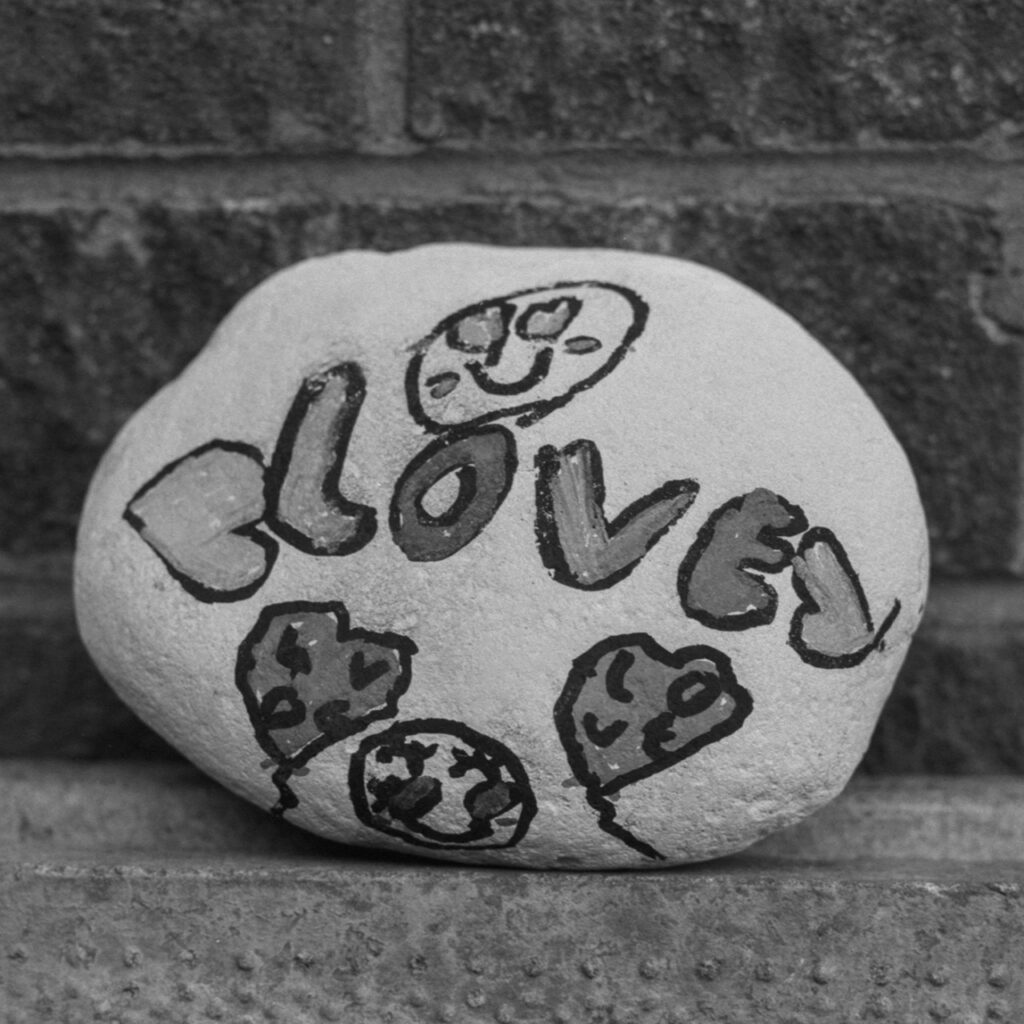
In March I bought the 7000i’s big brother, the 7xi. Intended to be bigger and better in every way, the 7xi was almost a complete redesign of their previous winning formula and Minolta were not shy in ripping up their own rule book and starting again. On paper, the camera is an absolute monster which was once again filled with futuristic technologies like AI (are you sick of the term yet, because I am). The Dynax 7xi will detect when you’re raising it to your eye and do all kinds of cool things like turning on automatically, zooming to what it thinks is the right focal distance and then pre-focussing on what it believes is the most likely subject.
It is indeed a very clever camera but there’s more than a hint of less could’ve been more with it. The body itself is monumental, the same size and weight as a top professional body from Canon or Nikon and then there’s the ergonomics which they somehow managed to ruin. On this particular body the natural resting place for your shutter finger is on the dial, if they’d swapped the positions of these it would’ve worked. Sadly, Minolta went from perfection to disaster in the space of a generation and this coincided with Canon and Nikon catching and then firmly overtaking Minolta in market share.
If you can find any Dynax with its grip intact then you should definitely try them out. They’re excellent cameras but do be prepared for them to just crumble in your hands even if you do pick up a mint copy. There’s definitely a niche market out there for someone to supply new rubber moulded replacement grips. The 7xi, though, is a very impressive camera that just, for some reason, misses the mark.

It was during the process of scanning negatives from the Minolta and earlier Olympus that I started to question the quality of my Epson V600 negative scanner. Curious to see if my ability to focus was just consistently bad or whether the scanner was to blame, I set up a quick and dirty experiment with a macro lens, bit of glass and an iPad as a backlight. The results were both astounding and devastating at the same time. The same negative sandwiched between a bit of glass on an ipad was way sharper with more detail than the V600 had ever produced.
I had two problems at this point. Clearly I needed a new scanner or method of scanning (which would come later in the year) but I also faced the possibility of needing to dig out all my old negatives that mattered to me and scan them in again. Not a particularly pleasant thought. I duly sold the Epson on eBay and set about trying to find the best scanning set up I could for a reasonable price.
The lesson learned was that all flatbed or dedicated scanners are a poor choice unless you can afford £1000 or more for an old top of the line scanner, but that does mean something 25 years old or more that will almost certainly need dedicated hardware to run on so the software still works. Either that or pay for lab scans, but where’s the fun in that?

Next came a pair of Canon SLR reviews in quick succession with the EOS 10 and EOS 33 respectively. These two models pretty much complete my tour through the entire line up of EOS cameras and, other than the vastly expensive EOS 3 and 1V, I’ve been through all major releases they ever made.
The EOS 10 was something of a novelty when launched in that it came with a barcode reader and the ability to send information to the camera for various scenarios. This was, without doubt, a direct response to the expansion cards that Minolta had marketed with their 7000 and 9000i cameras. The only problem is, Canon had already included these expansion cards on the mode dial and the booklet of barcodes that came with it mainly contained extremely niche set ups such as “stained glass window.” The fact is you were far better off just learning that you needed to dial in some exposure compensation in nearly all of these situations and that would achieve the same effect without needing to resort to a book and your magic pen. Not to mention the one handed contortionists dance you have to do to get the codes in to the thing.
There was nothing really special or notable about the EOS 10, but the EOS 33 is a totally different story. This replaced possibly one my favourite cameras of all time – the EOS 50. I’ve written many, many words about why I think that camera offers the greatest value for money, even today, but my God it’s given a run for its money by the EOS 33.
The EOS 33 is refinement of the EOS 50 in every sense. It changes only what was necessary and left the best bits alone to the point where they even share common body components. Apparently, the film door latches break on these cameras “a lot” but I’ve never managed to break one yet (jinxed it now, haven’t I?). My EOS 33 did indeed come with a broken latch but replacements are cheap, readily available and easy to fit if you have a soldering iron to melt the little metal contacts back on that tell the camera when the door is open.

The EOS 33 inherited upgrades from the very latest, and last, Canon 35mm tech design. I tested it in a number of situations from car racing to recreational days out and it never missed a beat. The conclusion was clear – if you wanted just one 35mm film SLR, this has to be right at the top of your list. As it turns out, this and the EOS 50 are now my only Canon film SLR’s and the 33 is my go to camera when I need one of them. The only downside is price, if you’re on a tight budget then you can get 90% of the features and performance from the EOS 50, the only downside being that the auto focus performance is generations behind.
A long, busy Summer
Summer was busy in Ravioli land and little did I know at the start of 2025 what an expensive year it would turn out to be, but as summer approached and the annual music festival that I shoot for the local paper was on the horizon, I convinced myself I needed to seek out the ultimate bang for buck digital SLR upgrade.
My faithful Canon 5D Mark I has served me well for many years now and I love it for the image quality, simplicity of controls and settings and the fact it truly does just get out of your way and let you take images. Why buy a new camera, then? The only real reasons were that more modern cameras have higher resolution (nice to have but absolutely not necessary), higher ISO performance and better autofocus. The high ISO and better AF would certainly make life easier when you’re trying to capture people jumping around in the dark.
The market for old DSLR’s is incredible right now and it is possible to pick up seriously capable, professional grade camera equipment for just a few hundred quid. Even better is that L series lenses are being off loaded at such a rate by people switching to RF lenses that the prices are falling through the floor. There has never been a better time to stock up on top of the range lenses and the irony is, they’re of such high quality I don’t think anyone is capable of spotting the difference between images taken on an EF L lens and an RF equivalent that cost between 4-10x the price.

My search for a new camera didn’t take long as the 5D Mark III stood out amongst all others as an absurdly capable camera at an equally silly price. For roughly £400 you can get one of the most solidly built bodies ever made by Canon, which is packed full of features. Make no mistake, the Mark III was so good that they’ve paid for themselves many times over in the hands of full time photographers who used them to make a living until they’d clocked up half a million or more shots with them.
This was the hardest thing about finding one. The shutter counts on second hand bodies are just insane, with the average seeming to be 100,000 or more on a body rated for 150,000 activations. After weeks of looking I found one for a good price with only 40,000 activations on MPB and pulled the trigger. This was a mistake.
I’ve never been hugely impressed with MPB’s packaging and quality control and this time it was clear they’d not tested the camera properly at all. After a quick test run it became apparent that a black blob was appearing on every image in the same place. I thought a simple sensor clean was all that it needed and gave it a go – but still the mark remained. In the end I sent it to Canon and spoke to an engineer who was most confused by the whole situation as he’d never come across a sensor that literally couldn’t be cleaned. The conclusion was the low pass filter had somehow been damaged and it was more than the camera was worth to repair.
In fairness to MPB, after a short back and forth, they did take the camera back and refund it but it dented my faith in the company to the point where I don’t think I’ll use them again in the future. This was further confirmed by my experience with WEX, where I eventually bought my Mark III from and the difference in quality control and customer service was remarkable.

As so often happens, I’d been reading some old Amateur Photographer magazines and came across an interesting letter from someone talking about old digital cameras. They pointed out that one or two old Olympus and Nikon cameras came without an infrared filter and as such were great “out of the box” IR cameras with just the addition of a cheap filter.
I duly picked up a Olympus C2020z from eBay and an IR filter from Ali Express. Of course, I’m not intelligent enough to have picked up the right size of filter and ended up gluing the filter to the mount but… oh well, it worked in the end and the results were really very good. The best thing about this combination is that the live preview works so you don’t have to imagine what might look good in IR, you can just walk around pointing your camera at everything until something catches your eye. My best picture with it was a complete accident, though. You need lots of sunlight for good IR photography and ironically you can’t see the screen on the Olympus when the sun is out!
I then embarked on my most popular post ever, by a country mile.
Inspired by the story of Francis Frith who travelled the country doing nothing more than taking pictures of towns and cities to document them, I decided to do a “then and now” about the city I’ve lived in for decades – Lichfield. Walking round balancing old pictures on my phone in one hand and an SLR in the other, I tried to recreate various old images as exactly as I could to do a side by side comparison of how things have changed over the last 100 years or so.
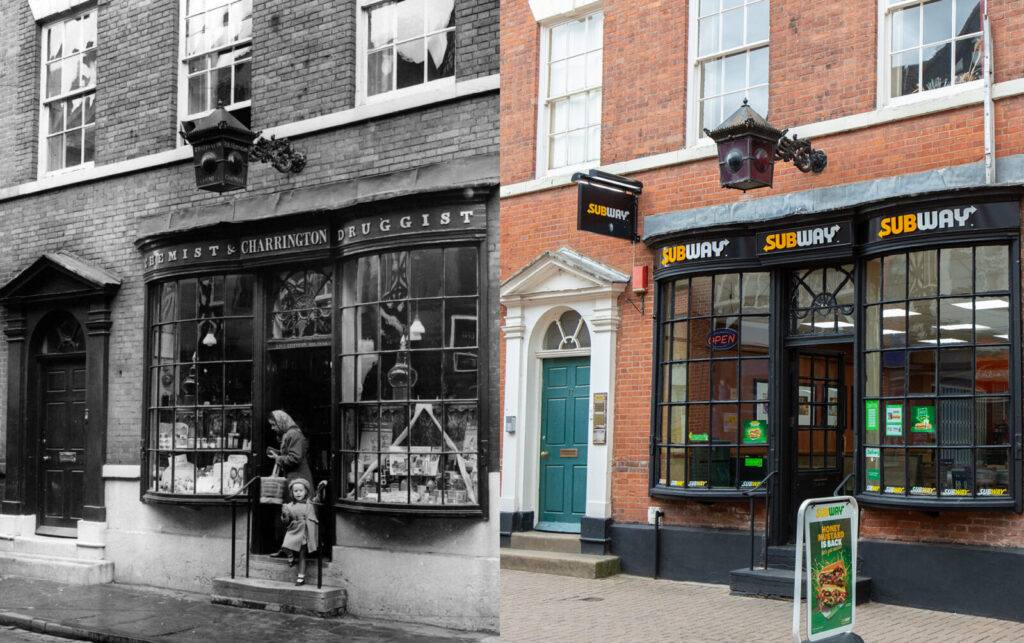
It turns out people rather like social history and the post started clocking up views in a way I’d never seen before. A successful or popular article on this site might generate 1000 or more page views over time and I’m perfectly happy with that. In all honesty, I write for the pleasure of writing rather than generating views and I certainly don’t generate any revenue from the site. But this post went to 2000 views in a matter of days and climbed from there. I might have to do another…
The local music festival then rolled around and I finally had a chance to use my new (working) 5D Mark III in anger and it certainly didn’t disappoint. I used it alongside my 5D Mark I and captured some decent images. The faster AF, better tracking and ISO performance definitely made my life easier and I guess this is the real learning about newer cameras. After a certain point, technological development is such that your existing camera is probably good enough for anything you care to do with it. Buying a new camera doesn’t propel you forwards into a new era of creative genius, it just makes your life a little bit easier and certain things become bit more convenient.
I appreciate the genuine leaps in capability between the Mark I and III but, honestly, it isn’t life changing stuff and as an absolute hobbyist amateur, I couldn’t justify a newer camera if I tried. There’s no scenario or setting I’ll ever find myself in which will demand performance that the Mark III can’t provide. The fact you can buy that level of performance for £400 is just incredible.

Still in the thick of summer, I next turned my attention back to the problem of film scanning.
The dodgy iPad, glass and DSLR experiment had shown that I needed to turn my attention to a more robust and reliable scanning workflow. I tried out 3D printed designs, but the 3D printer I had access to was rubbish to say the least. I also looked at, and should’ve bought, the Cinestill 35mm adapter for my Cinestill backlight, but in the end settled on the Essential Film Holder. This definitely solves the problem of holding negatives but it is far from perfect.
The Essential Film Holder is hideously over priced and you can absolutely make it yourself for around £10 if you have access to a laser cutter (and many online services are available). It has multiple faults in that it is too tall, the apertures for the film are slightly too small and cast a shadow on the negative and the light diffuser isn’t necessary as most lights are diffused already and the holder lifts the negative far enough away from the light as to remove this issue in the first place. However, it does a job if you set it up properly.
I discovered that the real issue with film scanning isn’t necessarily holding the film, it is holding the camera which is the problem. Sticking your heavy DSLR on a cheap tripod just doesn’t cut it and any vibration no matter how slight will cause blurry negatives. The only solution here is a dedicated and sturdy film scanning stand which are eye wateringly expensive to the point of sheer absurdity. You can, of course, make your own but even then gathering the parts is not going to be cheap. It is inevitable that in 2026 I’ll have to sort this out because my current method is hit and miss at best.
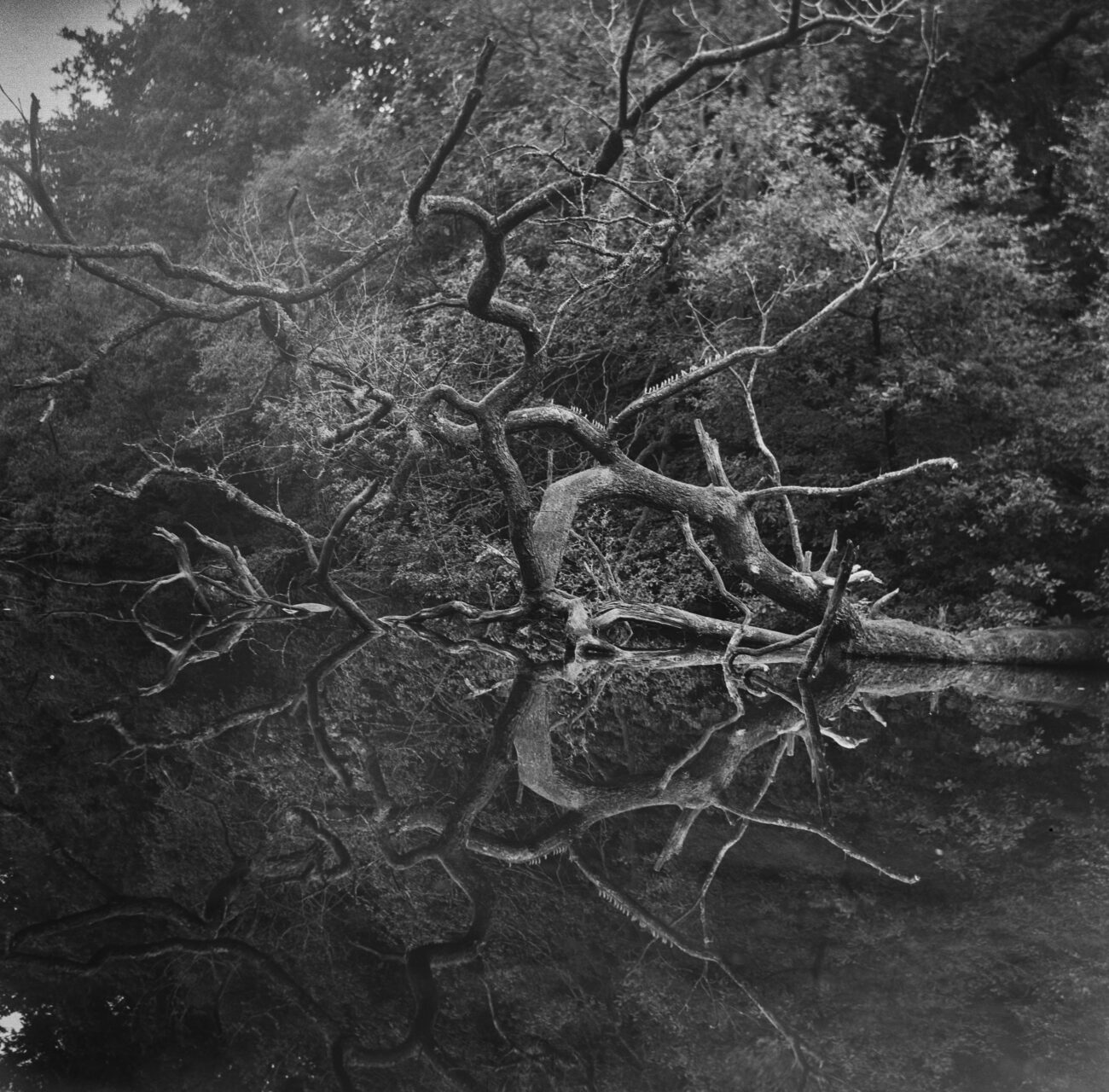
Summer ended with a return to medium format photography with a pair of cameras that couldn’t be more different. First up was the classic Lubitel 166 Universal which must surely have been the gateway to medium format photography for thousands of photographers. It was cheap as chips when released and its production run span decades from 1976 (although its roots go back to the 40’s) until it was discontinued in the mid 1990’s.
If you wanted a TLR from pretty much any other manufacturer during that period you better have been prepared to put your hands deep in your wallet for the privilege. This Lubitel, then, was the every man camera and whilst this plastic marvel may well have faults, for the money it is nothing short of incredible. When roll film was cheap, this must’ve been a fantastic camera to learn “real” photography as they used to call it back then – none of this auto focus, auto exposure rubbish. I took one of my all time favourite images (the one above) with this camera during testing and the level of detail in the negative is stunning for such a cheap camera.
Contrasting this, I then bought an absolute wreck of a box camera from the local junk shop – a Coronet D20. I didn’t actually want the camera, just the film that was inside. As you’ll know by now if you follow along regularly I, like many photographers, have a thing for discovering old films inside cameras and developing the lost memories. I’ve had a reasonable amount of success (click here for the full list in the latest episode) but also plenty of failures and this camera was absolutely a big fat fail.
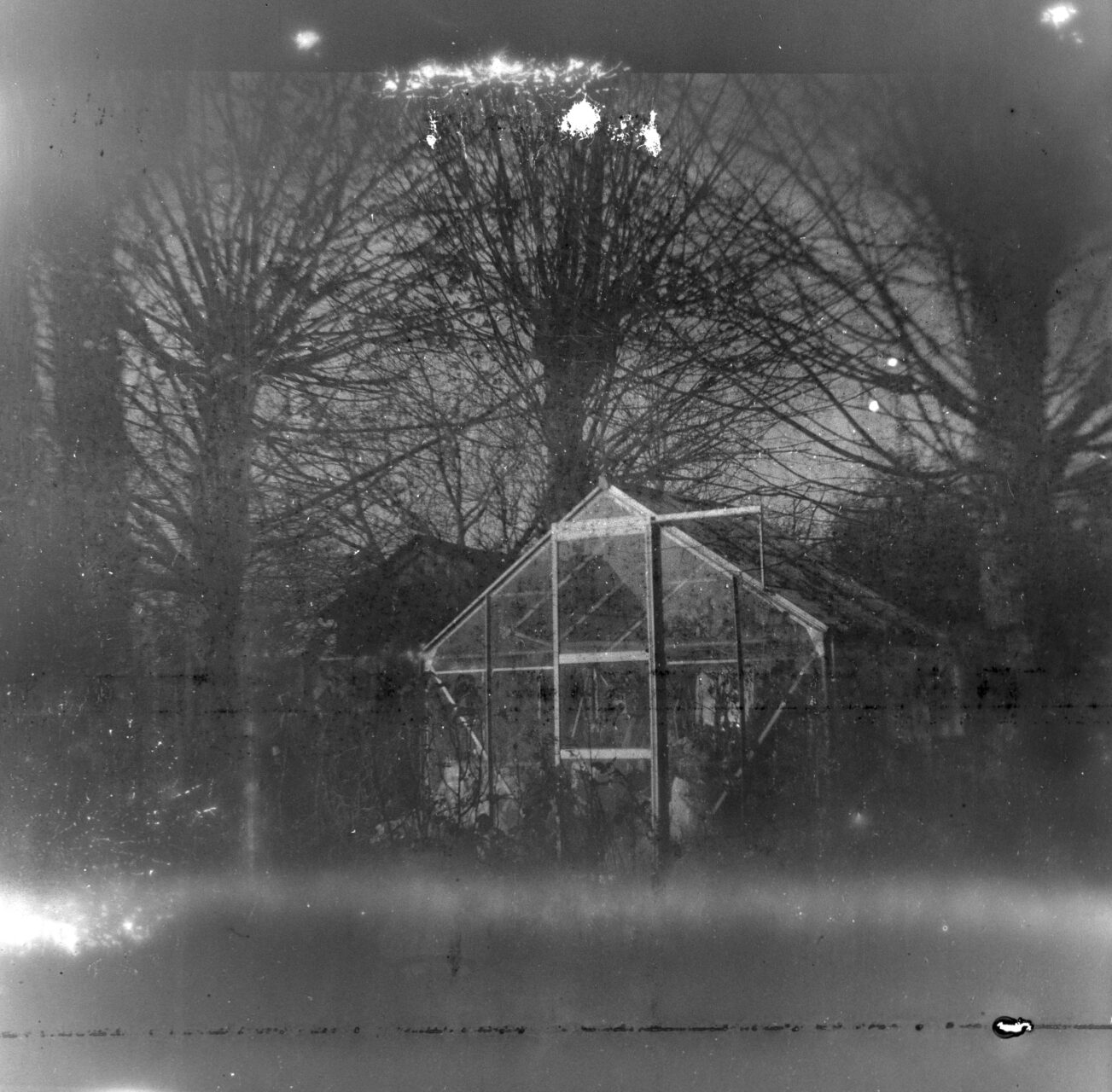
Still, can’t win them all can you? So I decided as it had a local connection and was made in a factory a stones throw from where my mother grew up, I would instead to restore the camera, put some new light seals in and clean it up the best I could. I then took it to Ghent for the day and fired off a roll of Lucky 400. The results were… interesting to say the least. Photography at the lower end was not of particularly high quality in the 1950’s and 60’s.
Expensive Autumn
And then it happened. Out of nowhere. Sheer, unadulterated madness.
“I need a Leica.”
“No, you really don’t”
“I do, though…”
Before I knew it I’d blown the credit card apart on an M3 with a TT Artisan 50mm F1.4 and where better to test your brand new £1500 investment than in one of the most chaotic protests of modern times down in London. Learning to use a range finder, manual or zone focus and judge light levels instinctively in those conditions was a challenge to say the least but one that is very achievable if you’ve got a baseline light reading to work from.

Owning a Leica for the first time, especially as someone who can’t afford Leica, is game changing. Before having one you roll out all of the obvious tropes about “it’s just a camera” and “it can’t be that much better than something half the price” and so forth. Whilst objectively some of this is true, you can definitely get equal image quality from a decent SLR and lens combination that’ll cost you half of an M3, there is definitely something about them that you do not experience with any other camera.
The range finder format has a lot going for it. For street photography I instantly understand the appeal due to its diminutive size, absolutely silent shutter and easy zone focussing. The M3 viewfinder is like nothing else I’ve ever used and if you want the very purest photography experience I don’t see how you can better the fully mechanical, no batteries ever, zero extras immersion that this camera gives. The Leica M3 is film photography in a very expensive but beautiful metallic nutshell.
Should you buy one? You really need to think very carefully about your goals and how much film you shoot before taking the plunge and buy it from a Leica specialist who will service it and look after it for you. A Leica is for life, not just for Christmas. They are an expensive commitment and the irony is that no sooner had I bought mine than I got whacked with an enormous car repair bill… Excellent timing!
The problem with buying a Leica and running a website about photography is you then have no money to spend on anything else and I can’t really just write endlessly about putting rolls of film through the same camera, much though I’d like to. Fortunately the camera Gods were paying attention and presently sent me a Nikon D200 to try out on a trip to Iceland.
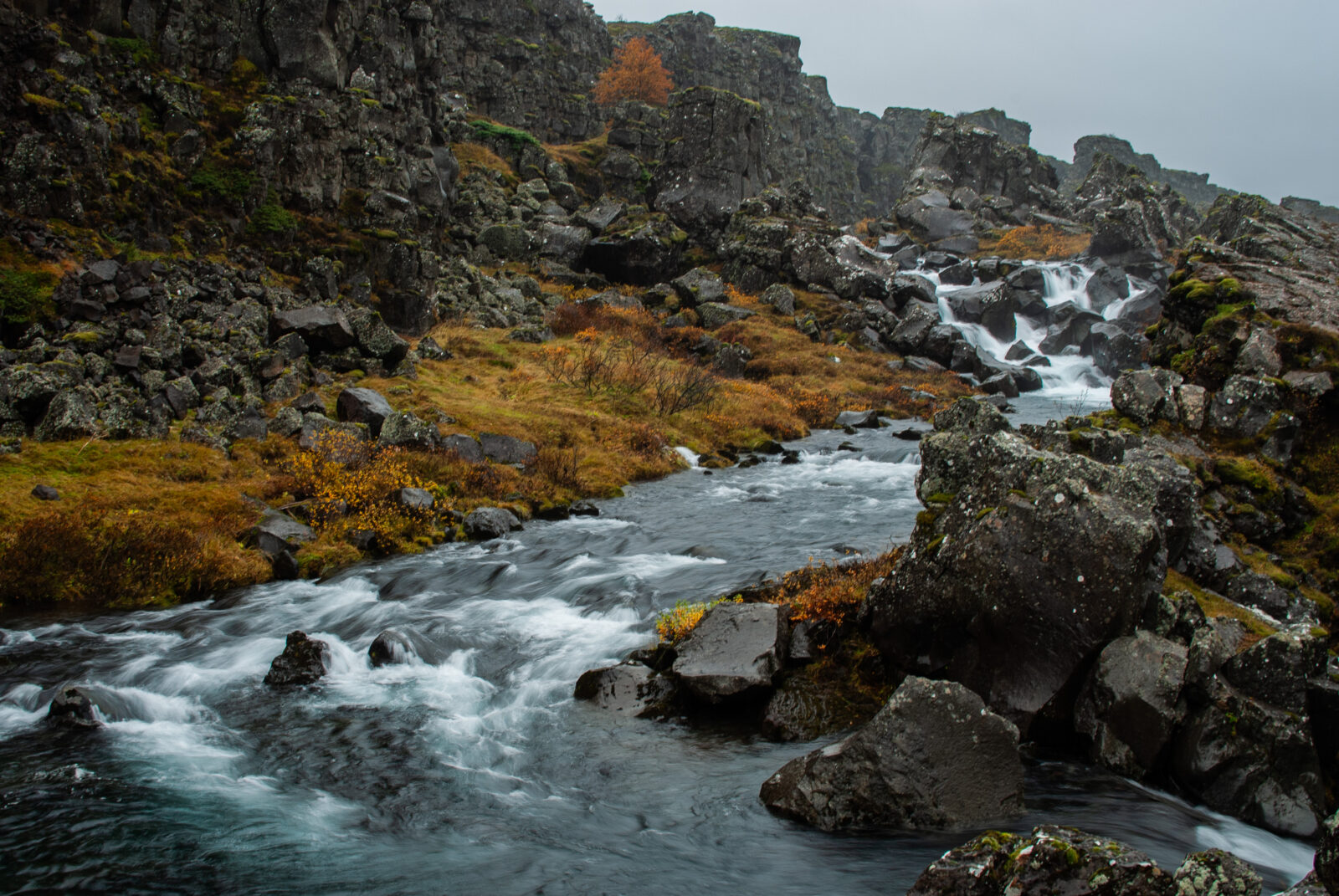
Iceland is photography paradise. I’m fairly sure it wouldn’t be far fetched to suggest you could live there for a decade and not run out of things to photograph. If you’ve even a passing interest in landscape photography it has to be on your bucket list of places to go. Just don’t expect it to be quiet at any point because their entire economy depends on tourism and it is rammed year round with them.
It was just my luck that the entire time I was there it rained mercilessly. Non stop. For four days.
Every shot I took had to be hand held, I didn’t have time to use a tripod or anything similar and the D200 took on a fair amount of water in some places despite not being a fully weather sealed camera by any stretch. There’s no doubt that the D200 was a formidable camera in its day but I found it nothing short of infuriating to use. Ergonomically I’ve never got on with Nikon digital cameras, their film cameras were fine, but digital is another story. If you want the in depth story as to why, feel free to read the first review I’ve ever written at 35,000ft.
Moving on, I took a deep dive into the photography world as it was in 1995. Some time ago I bought a bulk stack of Amateur Photographer magazines as I thought they’d be useful for research – and they definitely are, but they’re also a fantastic snapshot of social history. It is easy to forget, or not even know if you’re younger, just how important magazines were for many decades. Up until about 2000 ish, magazines ruled the roost for any hobby you cared to choose. There were multiple magazines for each subject and people became quite tribal about their chosen publication.
I mourn the loss of those days because as a society we are very quickly discovering that technology has perhaps not been the 100% positive step forward we all thought it was. Indeed there are now entire niche industries popping up extolling the virtues of “mindfulness” and “disconnecting.” The thing is, in the 1980’s and 1990’s, the worst we had to contend with was the fear that watching too much TV would addle our brains. Well, that and quicksand and white dog turd.
These days we are too connected, too bombarded with micro distractions that tug our attention and feed our brains micro doses of dopamine every time we pick up a device, tap and scroll and we are quite literally walking around with our heads down, missing the world go by. The number of times when I’m out running that I have to jump off the pavement to avoid someone who has no idea where they’re going because they’re staring at a phone is unbelievable. Honestly, as someone who studied computing and loves technology, I genuinely believe there are aspects that have gone too far and there is a strong argument for disconnecting, to stop being a slave to apps and notifications. Take a look at the world in 1995, it was quite interesting back then.
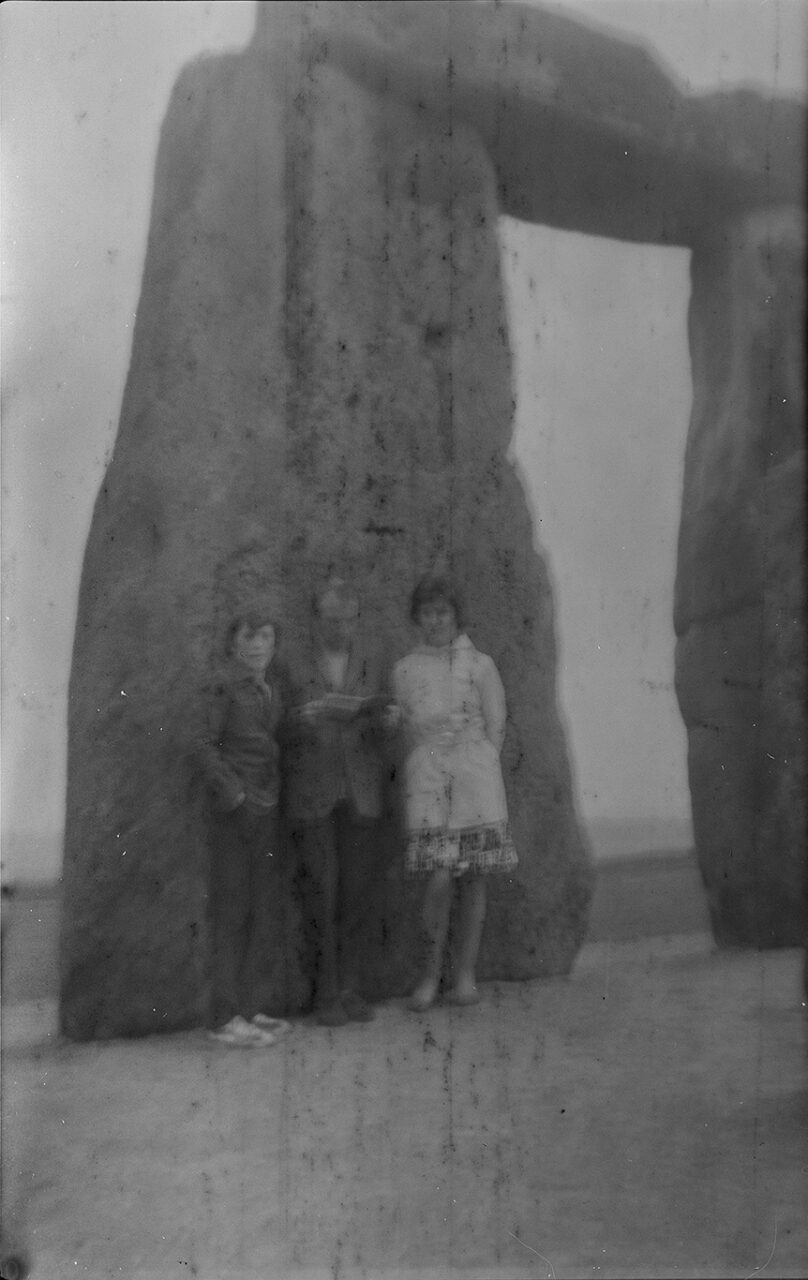
My penultimate photographic mission of the year was the sixth episode of my found film series “Abandoned Memories.” I’d seen a camera on eBay with the “exposed” end of a roll of 120 film sticking out of it and presumed that the pictures should be fairly well preserved unless someone had completely unrolled the film for some reason.
I wasn’t disappointed and the pictures that came out were quite interesting and followed a family on their travels around some of the more famous tourist hot spots in the south of England, culminating in a visit to Stonehenge. This is probably one of my favourite found films but finding the original owner has proved fruitless. I contacted the eBay seller who couldn’t have cared less so I can only presume it wasn’t their family heirloom. Either that or they hated their own family. I did ask people to share the post on Instagram but that attracted a sum total of zero responses. Which is odd, really, when it costs nothing nor requires any effort but there you go. Their memories remain here, at least, and are no longer lost.
Christmas
Completely by coincidence it has become tradition for me to review or use some of the very earliest digital cameras at Christmas time, so for the “Christmas Special” this year I decided to review one of Kodak’s first decent offerings, but not in the normal way.
The DC210 camera was sold primarily as a tool for getting your images onto the hottest and most interesting thing in the world in 1997/1998 – the World Wide Web. This was a time of super expensive PC’s, 56k dial up if you were lucky and internet that was charged by the second on your phone bill – and you thought data allowances on your phone were bad.
During this era, everyone who signed up with an Internet Service Provider was given some web space and their own URL so they could upload a website or “Homepage” as everyone called it – and upload they did. Everyone, and I mean everyone, set up a homepage either about their family, their hobbies or a niche interest. This was a much, much more innocent time online and it didn’t last.
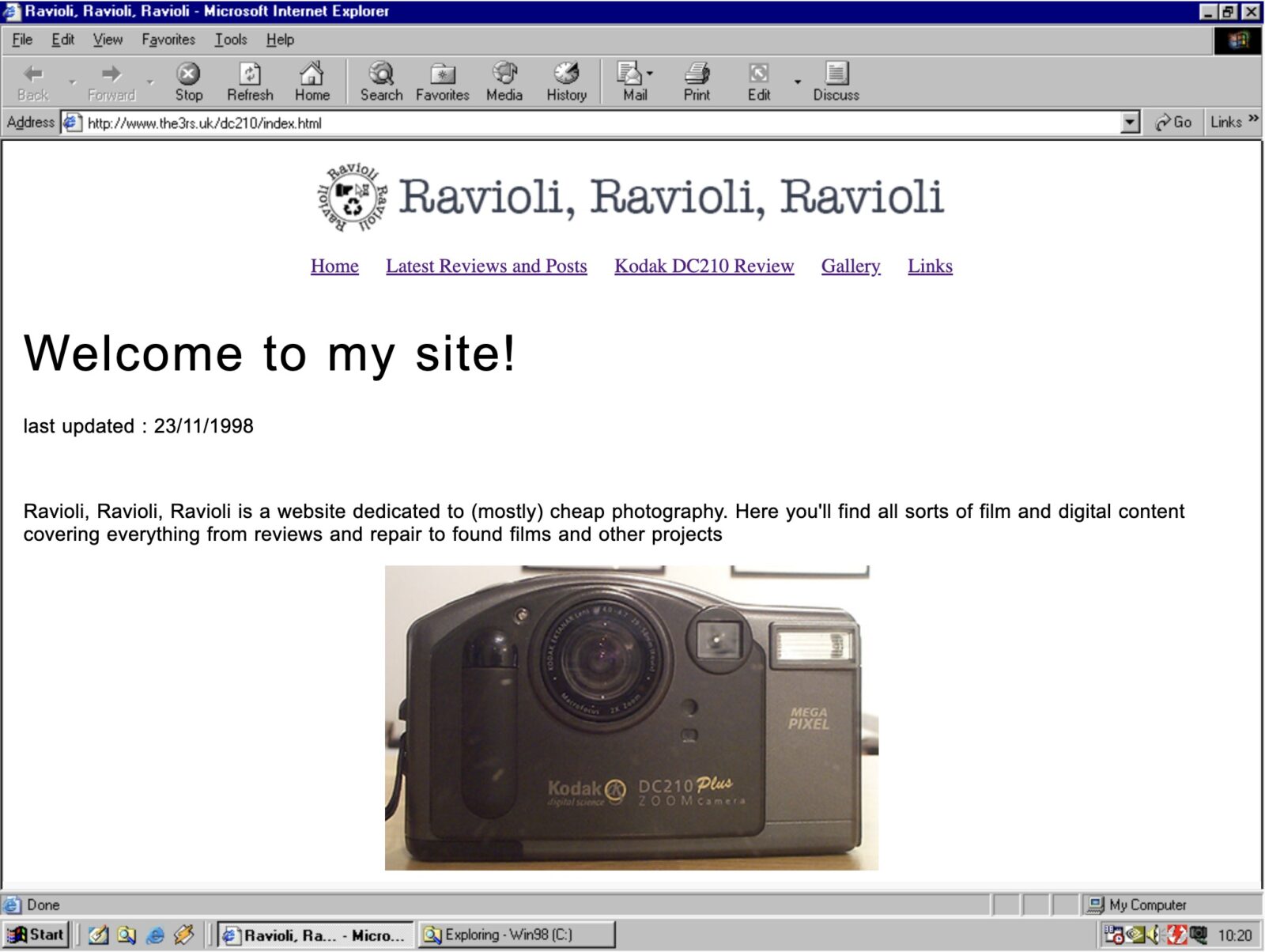
If you wanted pictures on your website in 1998, you either needed a scanner or a very expensive digital camera. Most people opted for the scanner and would scan in their 35mm prints from their local lab. Almost no one used a dedicated negative scanner and even fewer still owned or could afford a digital camera. This is an eye opening thought for anyone who didn’t live through the era and is used to just flipping their phone out and snapping merrily away before uploading to any number of services without having to grab the phone extension reel and plug it in…
In the name of authenticity, I decided not only to review the camera as it would’ve been viewed in 1998, but to create a website to match. Using HTML and CSS as it would’ve been available at the time, I knocked up a pseudo Windows 98 desktop, painstakingly recreated address bars, icons on the taskbar and knocked up an entire working homepage complete with original GIF’s from the era.
No one gave a single shit.
It is easily one of my least popular posts ever. Probably because it doesn’t work well on phone screens but… oh well!
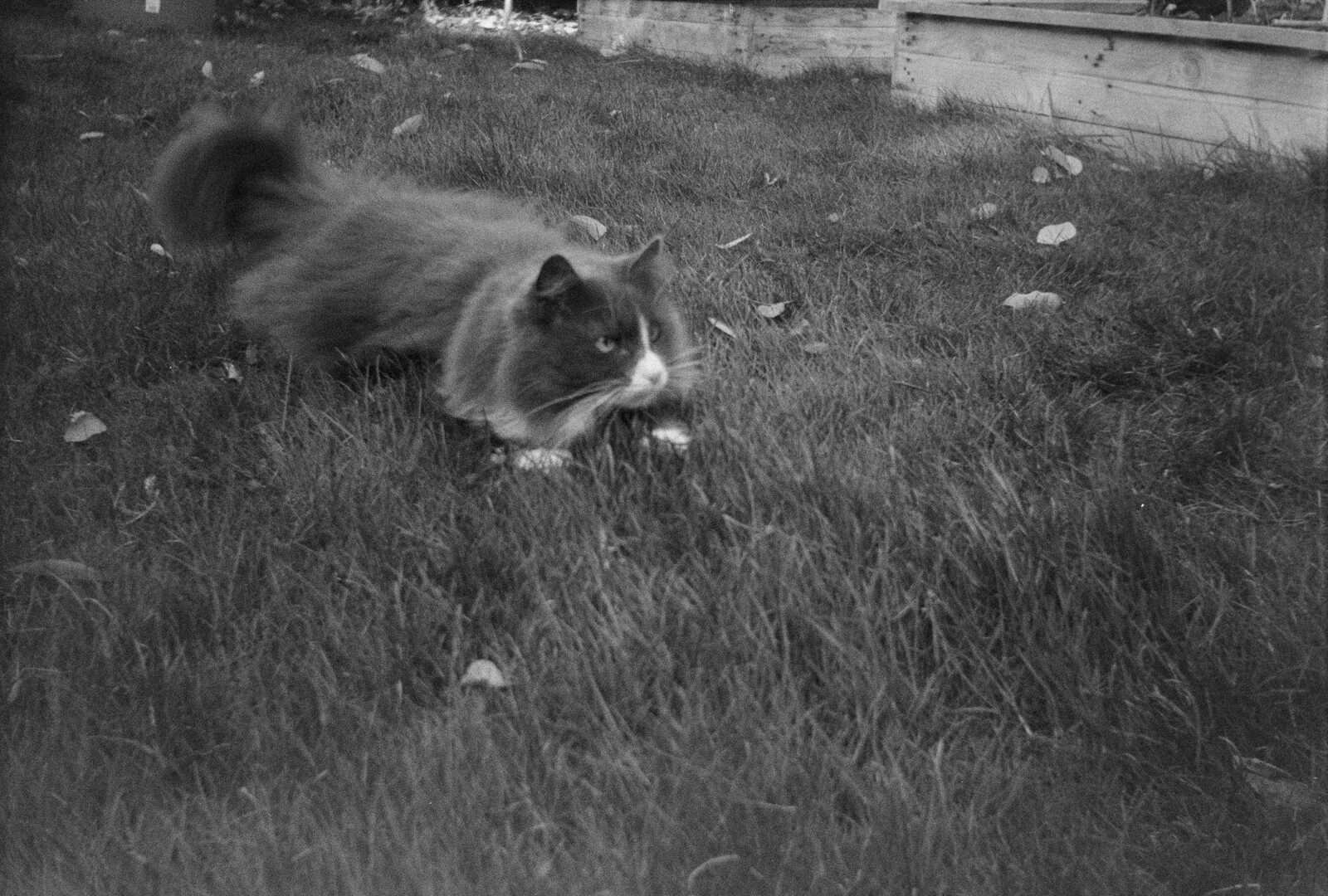
Finally, I rounded out this year with a quick review of the Vivitar VP Series compact camera. These were marketed as credit card sized, pocket friendly but “fully featured” 35mm cameras. They certainly ticked the first two boxes but fully featured is a stretch too far. Still, it was a fun camera to use and would’ve been great to own during its day.
Back end goings on
When you visit a website I doubt you ever think about what goes on behind the scenes or how that site works. Why would you? But when you run a website, you think about these things all the time. One minute of downtime is bad enough, but when your website disappears for days you’re having a meltdown as Google decides you don’t exist any more and people think you’re offline forever.
This year has seen some seismic changes behind the scenes for this site. In March I moved the site from a server that used to live behind my sofa to a real, professional web host. This is probably the best move I’ve made from a security point of view, let alone others.
Before the move, the site was being probed and attacked on an hourly basis by the thousands of bots that you wouldn’t know even existed unless you worked in networking. But exist they do, and all the time server admins, web hosts and networking beards are constantly fighting a never ending onslaught of automated attacks and security probes. Behind the scenes, the internet is a wild west.
Furthermore, the move to a proper host has meant that the site responds better and is more resilient in general, although nothing on the web is immune unless you’re Amazon. So it was that in November I was taken offline by AI web crawlers descending on my site all at once and taking out the database to the point where it gave up. It took a day of work with the hosting company to bring the site back up and put measures in place to prevent it from happening again. This is the stuff you don’t see!
On that note, increasingly AI is taking content from sites such as this, presenting it as the answer to online queries and not directing anyone to the site. I think this is a sad direction for the web to be going in. Not only do you lose the look, feel and tone of a website, we lose yet another human connection with one another. This is not going to go away as companies look to drive more and more traffic through AI systems that frankly I think are an absolute disaster.
“Generative AI” is total bullshit as all it is doing is taking content which already exists and smashing it together using probability calculations. If people stop generating content because “AI does it all” then eventually there will literally be nothing new. Furthermore, you end up in an infinity loop of shite generation because all that AI will be able to scrape content from is garbage produced by other AI’s. Be careful what you wish for.
The web is changing, but it isn’t going away. Please remember the importance of visiting websites, not just gazing half heartedly at shit summaries on AI or Google. The more we rely on these systems, the more distant we become and like the magazines idea earlier, we may well live to regret the loss of this human connection in the name of “convenience.”
Into 2026…
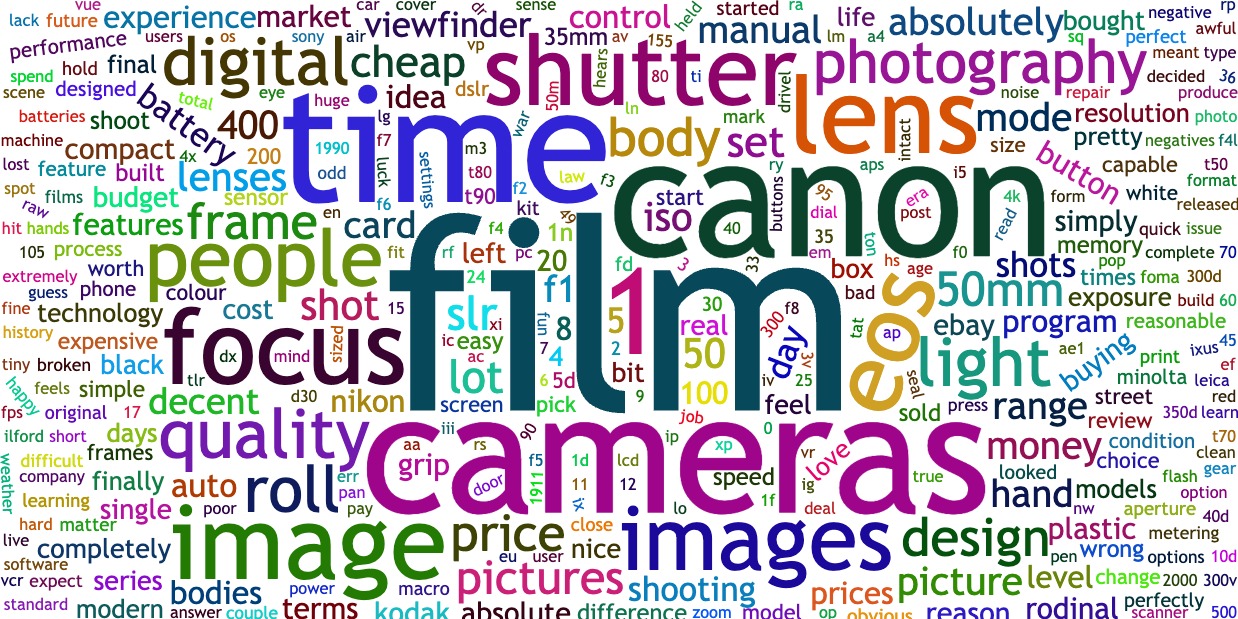
Looking back at the word frequency graphic at the start of this post, it struck me that the two most popular words on this site (other than Canon) appear to be “shutter” and “time.” Which, if you ask me, sounds like a rather good name for a website. A website like…. this one.
So good, in fact, that I already bought the domain name. If you go to www.shuttertime.co.uk now, you’ll find yourself back here. The question is this… after four years of Ravioli themed action, should I change the site name and branding to Shutter Time? If you don’t know why this site started as Ravioli, then you need to read the about page, but the long and short of it is that I never intended this to be a 100% photography based site. It was originally going to be an outlet for a variety of things, mostly tech and repair based, but somehow that never took off and photography took over.
Looking back, of course there are better names I could’ve come up with but that wasn’t really the point or priority at the time – I simply wanted to start writing again after many years of not doing something I enjoy and not having a creative outlet.
I’ve had a quick bash at some branding and come up with this:
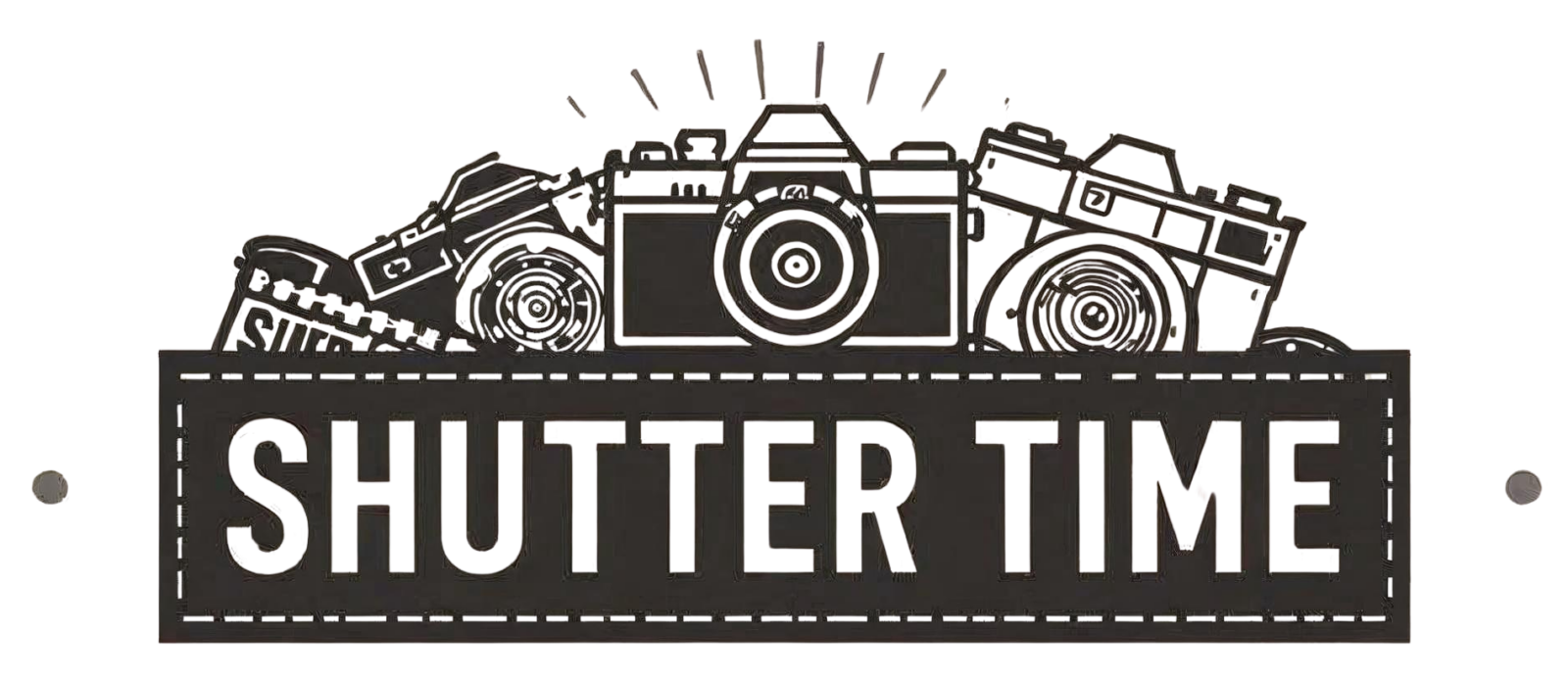
So… over to you. Let me know what you think by casting your vote below – you don’t need to register or anything silly like that and no personal information is stored.
[poll id=”2″]
Votes close on 1st January and we’ll decide what to do in the new year!
Other than that, I’ve already got a few projects lined up for next year and as for the rest I’ll carry on as always – reading old stuff and picking up things which tell a story or have something interesting to talk about. That’s the nice thing about this, there really is no particular direction or theme so there’s always a surprise somewhere along the line!
One thing is for certain – no more Leica’s. Not in 2026 at least.
Thanks for reading and I hope you have a wonderful end to 2025 and a healthy, happy 2026 to you all.


Thanks for another year of great articles! I quite like the new logo…
Hi! Just wanted to chime in, that I thought the old style website you made for December was awesome! Brought back some “fond” memories of early internet and doing html on windows notepad.
I’m not a big commenter anywhere, but I meant to comment this earlier, but it slipped my mind. Well, better to give late feedback than never I suppose.
Thank you, and thanks for taking the time to read and comment 🙂
Thanks for all the articles, and the hard work that you put in 👍
Thank you for reading 🙂
Also keep meaning to comment and say how much I love the site. Been getting into photography over the past year (mainly via digital and film EOS cameras) and your posts have probably cost me more money than I’m willing to admit.
Nice new name/logo too.
Haha! I’m so sorry…. All I can say is for God’s sake, don’t get into Leica, then you’re truly stuffed. If I look at one more Leica III that I can’t afford and don’t really need I think I’m going to do something stupid and buy one…