Generic compact cameras aren’t exactly the most thrilling things in the world, but every now and again one will come along that has either a story to tell or was designed to meet a weird niche market which makes it interesting. I’ve not been through all that many of them here, but despite this I’ve still used a few quirky or noteworthy compact cameras over the last few years, such as the Cosmic 35, Vivitar Eco 35 and the rather neat Kodak Retinette.
Compact cameras were designed to be… well… compact. However, due to the physical constraints of needing to fit a 35mm film cartridge, gearing and leave enough space to focus the lens on the film plane, many compact cameras weren’t exactly svelte and pocket friendly.
Discarding APS cameras for a moment, if you wanted a truly pocketable 35mm compact camera back in the 1990’s, your options were fairly limited unless you either seriously compromised as in the Eco 35 or were prepared to splash out extortionate sums of cash on a Ricoh GR-1 or similar. Don’t get me wrong, the Ricoh is an absolute engineering marvel, but their prices reflected that then and even more so now.
Were there other options, pre-APS era, for those who wanted the slimmest possible camera, with reasonable image quality, but didn’t want to pay the earth? Until recently, I didn’t think there was until I stumbled across an advert for the Vivitar VP series.
Is this the camera we were looking for, or is it another case of too good to be true?
The promise…
Long time readers will know the score by now. I’ve gone down a rabbit hole researching another camera (in this case it was early digitals from 1997) and something unexpected pops up which sends me off on a tangent. This time it was this rather clever advert:
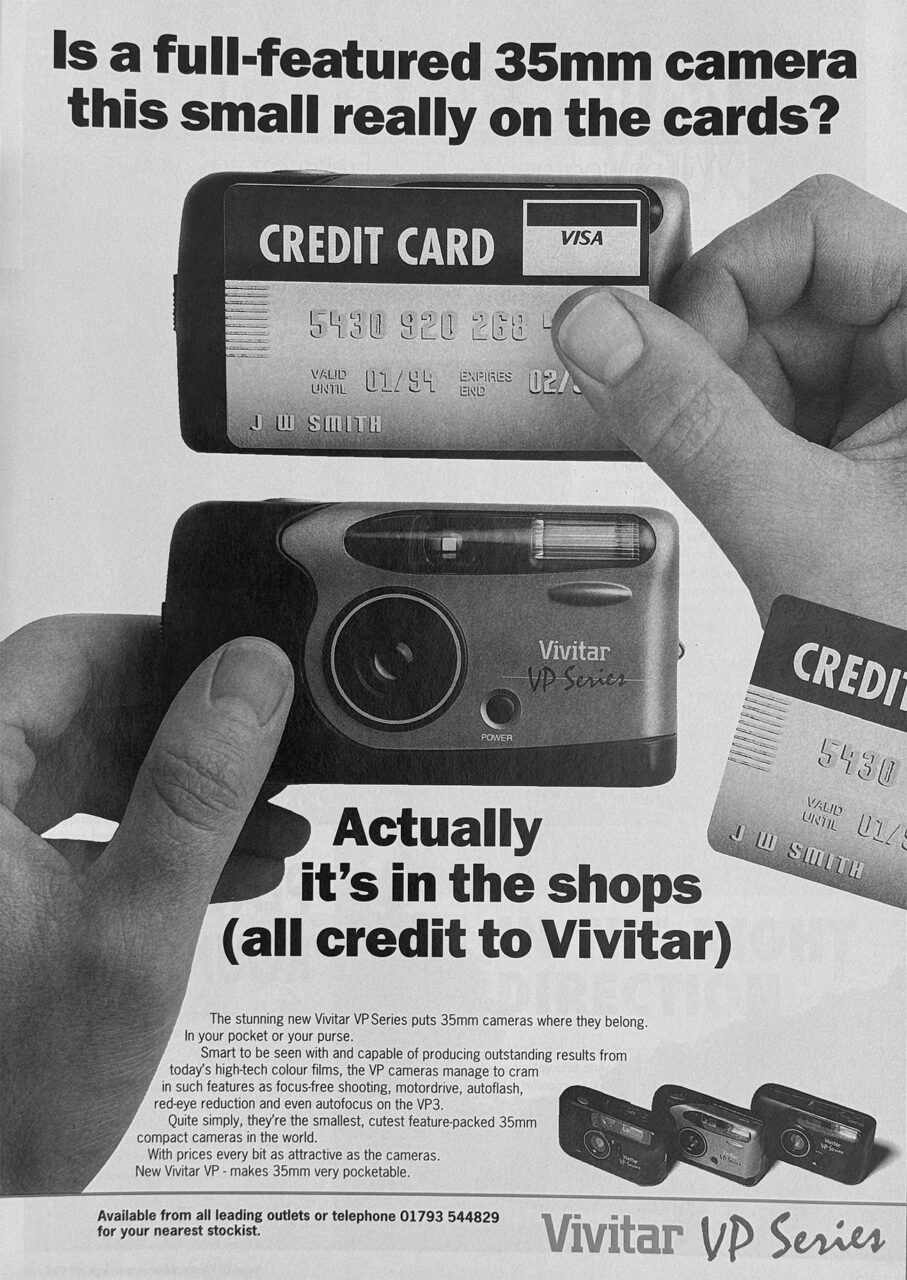
Most tiny 35mm cameras are proper collectors items these days. If you do a search for “smallest 35mm cameras” you’ll find the Internets’ favourite thing – lists, and lots of them. All of these lists are full of very cleverly engineered miniature marvels that can take a normal roll of 35mm film, but will now cost you a kidney and a lung.
I tentatively tapped “Vivitar VP” into eBay and discovered that no one wants them or knows about them. They’re reasonably widely available for anything from £15 upwards, but I took a chance on a “for parts or not working” model for £8. A few days later it turned up in relatively good shape and after popping a couple of AAA batteries in it sprang to life straight away. As far as I could tell from a quick test with an old roll of film the only thing that wasn’t working was the flash which is no big loss as I generally prefer not to use them.
…the reality…
There’s two burning questions that need answering with this camera – is it really as small as a credit card and is it any good? There’s good news and a discovery that you probably won’t be at all shocked by. First, the good news:
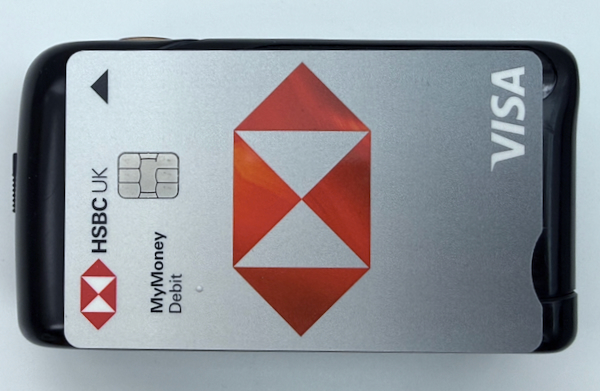
Yep. It really is credit card size. Well, almost. In fairness, Vivitar weren’t hiding anything in their advert, but the clever placement of a hand certainly goes some way to reducing how obvious it was that it isn’t quite as small as a credit card – but it’s close enough that we’ll let them off.
However, this is very clever marketing, because whilst the camera is diminutive in width, it is a lot deeper than you’d imagine it to be by just looking at the advert. This shouldn’t be a surprise really, because we all know the dimensions of a roll of film and that’s got to go somewhere and be surrounded by something light tight. In other words, bar some incredible engineering in more expensive designs which would shave off a few mm here and there, this is as small as it would be reasonable to expect from a cheap, usable 35mm compact.
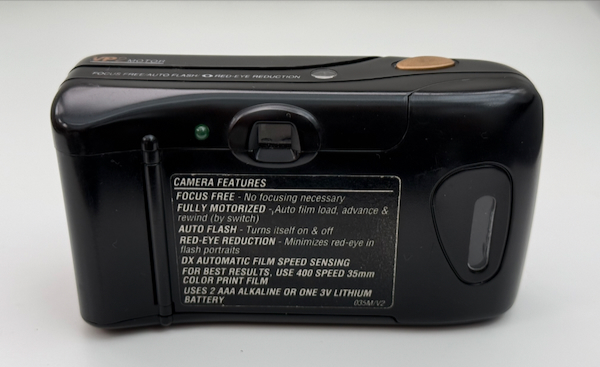
Credit where it’s due (see what I did there), Vivitar did a good job of designing a small camera which is nice to hold and has just enough in the way of user convenience as to make it feel slightly more premium than a bog standard point and shoot.
The power button pops out the lens and this then acts as the power off switch. When you’re finished, pushing the lens back in powers off the camera and makes it easier to slip back in a pocket, which is where it will live because you really won’t notice it in a coat or similar. In that respect, it’s a great little camera to have with you at all times.
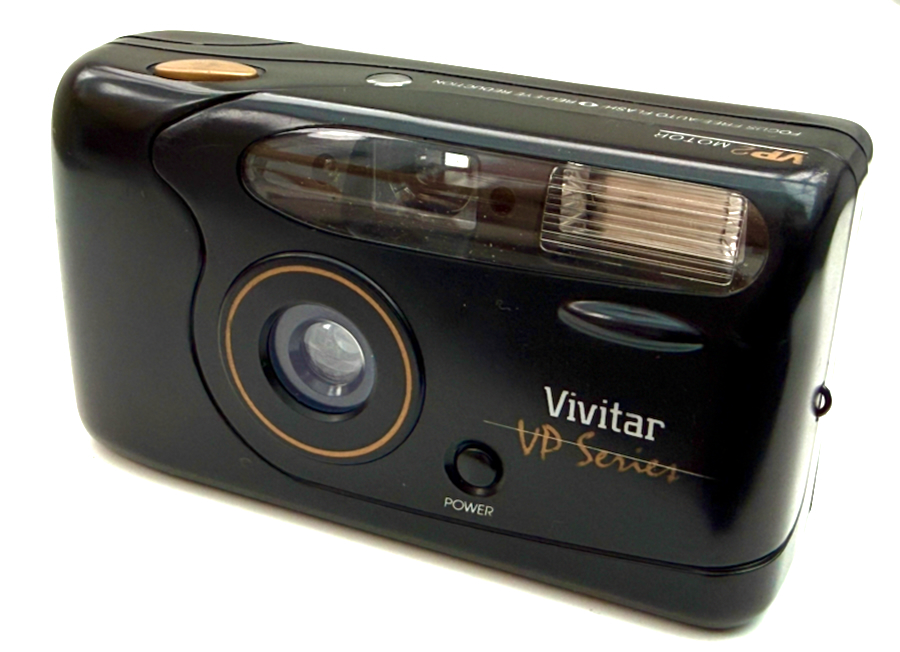
The flash is automatic, but not on mine because it’s very dead. The winder is also automatic, including rewind which you can operate at any point during shooting a roll of film and not just at the end. The winder on my copy doesn’t sound at all healthy and at first I did think it was broken because it’s very, very quick to wind on to the next frame – so much so that I was convinced it couldn’t possibly have worked properly. The rewind is asthmatic to say the least and sounded like it was breathing its last breath when I rewound my test roll.
Other than that, you get a frame counter, shutter button and that’s your lot. “Fully featured” as they say in the advert is a little bit of a stretch. This really is the essence of point and shoot – small, compact, just enough features to be nice to use and nothing else.
The problem with all cheap point and shoots
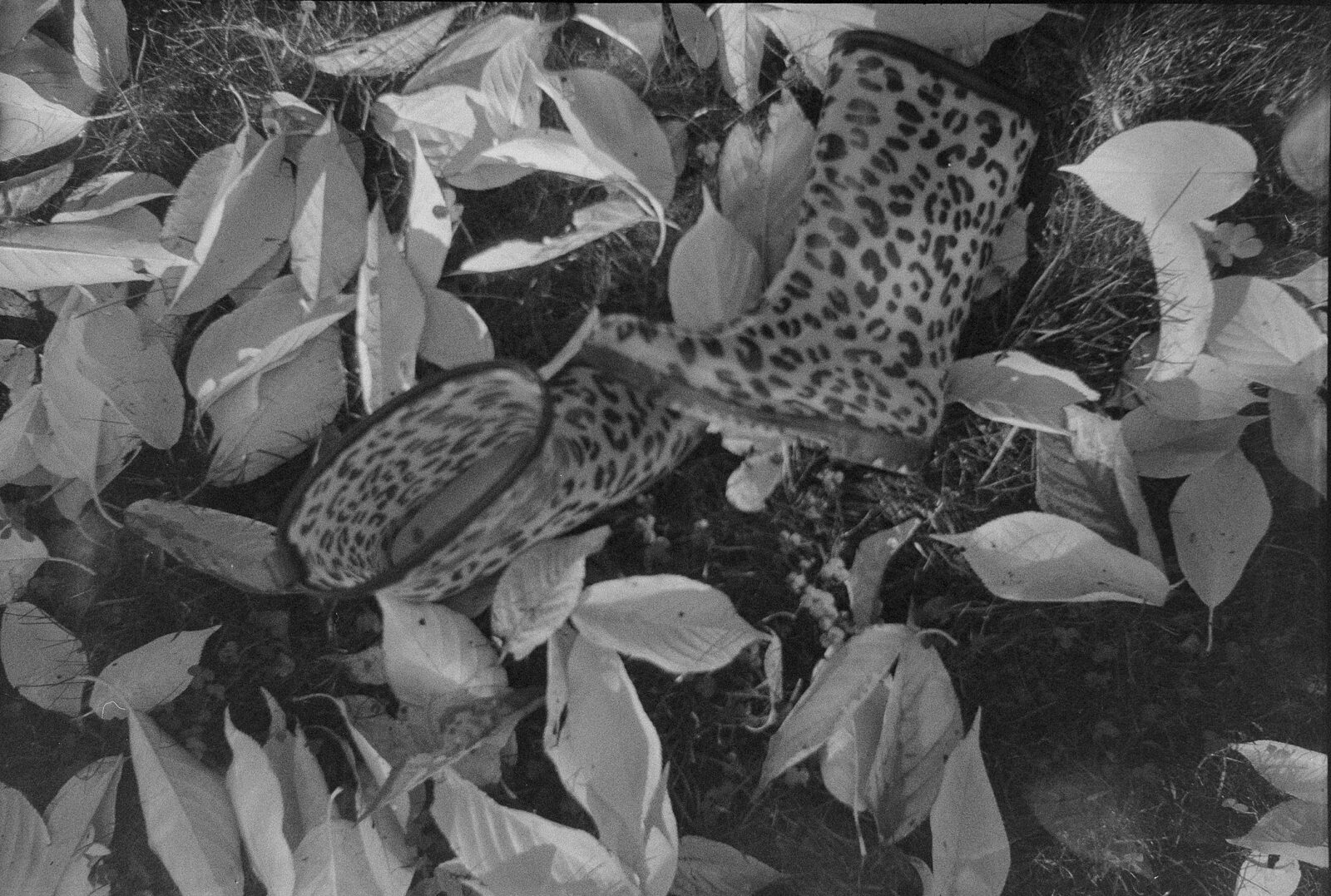
I’ve used enough of these cheaper 35mm compacts now to know that the formula is pretty much the same – plastic lens, single speed shutter and fixed aperture. Your shots are guaranteed to be ok in the centre and soft as mush as soon as you go near an edge. The fixed aperture does a reasonable job of providing a decent depth of field, but the lack of focus means that anything remotely close to you will be blurry.
Judging that distance without referring to a manual or the vague distances you sometimes get printed on the front of the lens is difficult to say the least. This camera seems to like things to be at least 4ft away, preferably a little more before you can call it “sharp.”
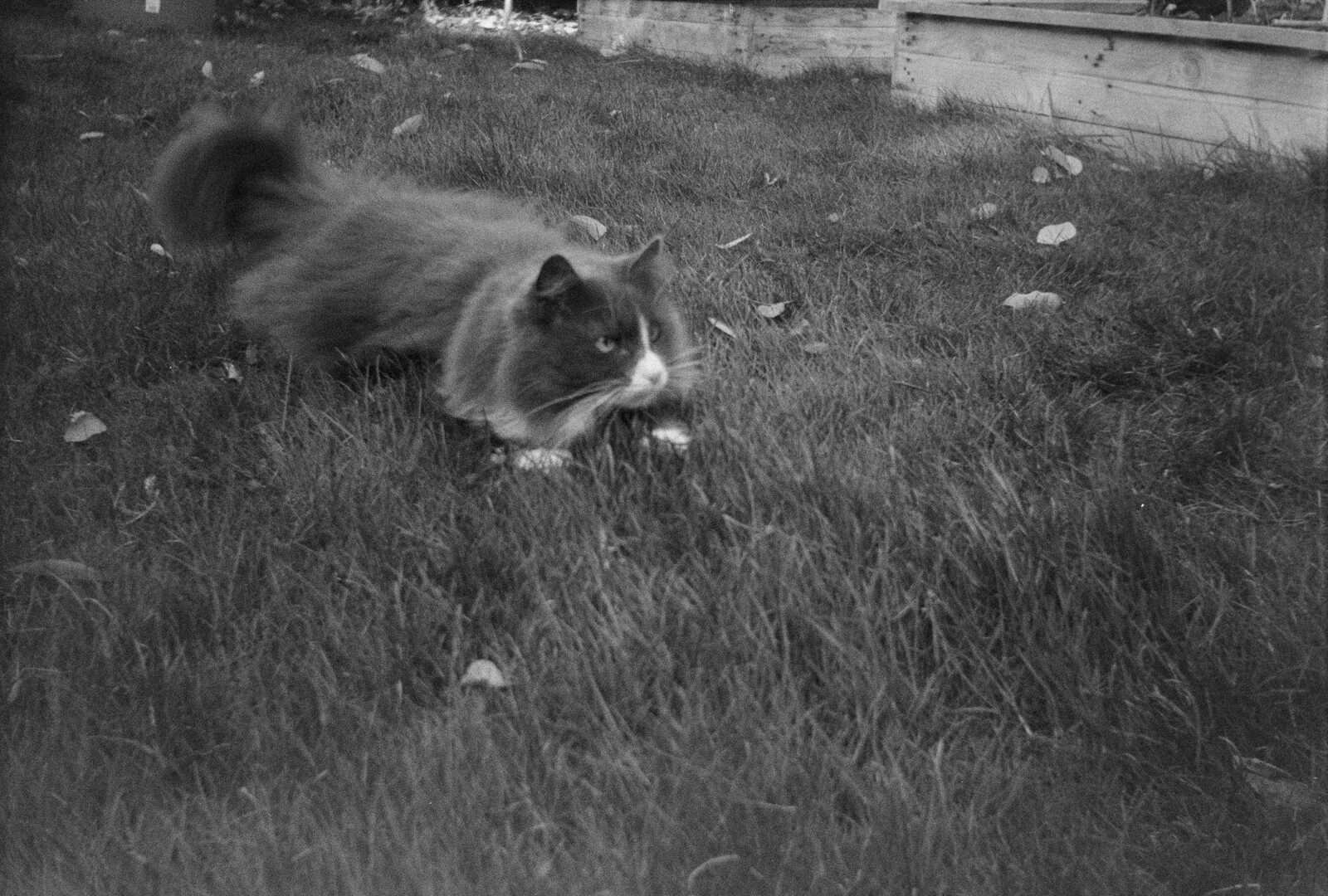
The picture of the leaves above was taken at roughly shoulder height and you can see that it’s right on the edge of in focus. The leaves are “ok” but the boots are definitely too close and blurred as a consequence. This is the problem with all of the super cheap “focus free” point and shoots. A lot of your shots are guess work and many get lost when you forget that close is usually too close and you end up with a blurry portrait or similar.
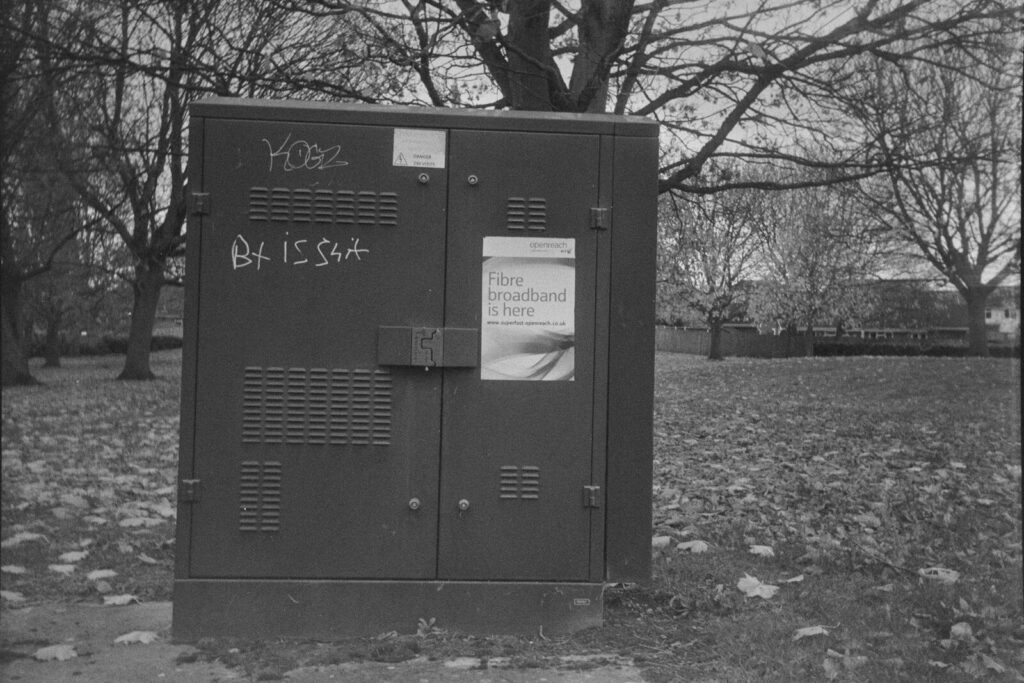
Make no mistake, this is not a fully featured or remotely premium camera in any way, but it does have a few things going for it that many other generic cheap plastic boxes don’t have. Ergonomically it is a real pleasure to hold and use and Vivitars designers certainly thought about how it feels in the hand.
The shooting experience is as simple as it gets and I love the pop out lens which also acts as a power button. It’s fairly gimmicky but fun nonetheless. Shooting couldn’t be simpler, you quite literally point and, er… shoot. The auto wind mechanism takes out any hint of manual control and when you’re done, simply push the lens back in and slip the camera back into your pocket and off you go. Bliss.
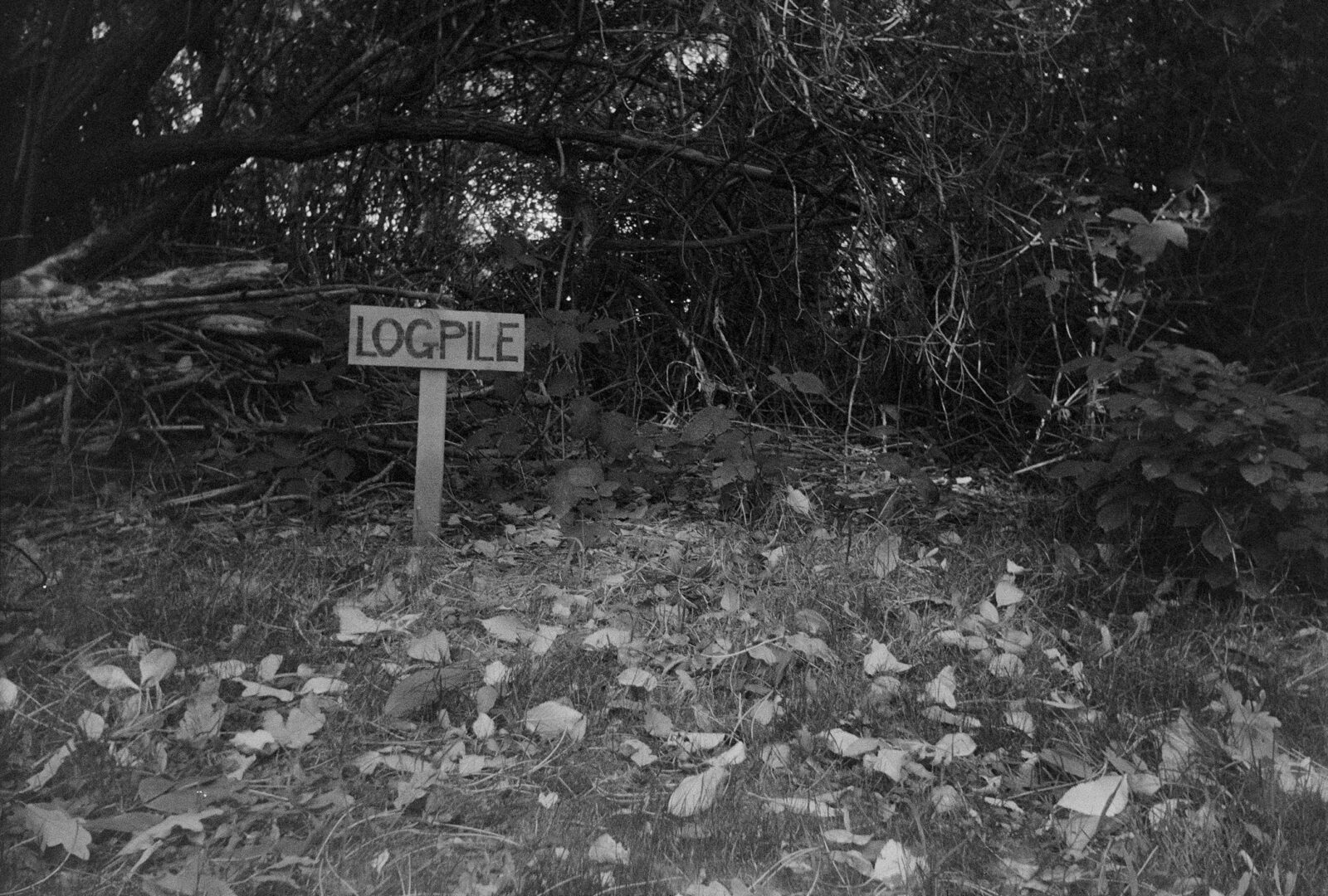
It struck me whilst using it that this would’ve been the ultimate party camera when it came out. I’d have loved to have one in my pocket when I went out, roll of colour film loaded up to catch whatever happened. The flash would definitely have given you a reasonable number of record shots at least. It’s second calling is surely as a cheap holiday snapshot machine that you’d not think twice about dropping in a bag, taking to the beach and filling with sand.
Conclusions and learning
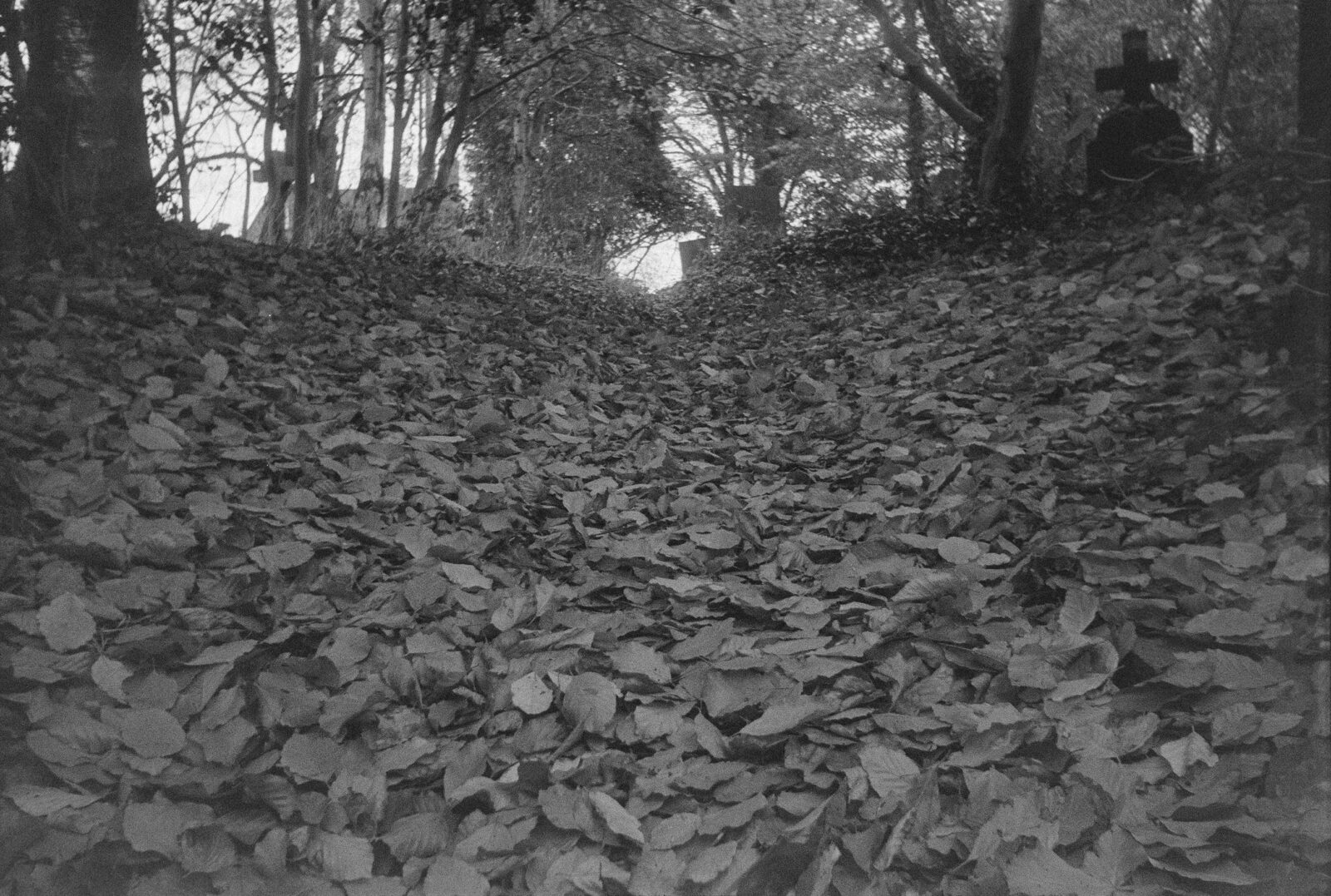
There’s not a great deal to say really, is there?
The key attraction of the VP series is the credit card size, and in that respect it totally delivers. The addition of auto wind and DX coding is a nice bonus, although I’m not sure why on earth you need DX coding on a camera that appears to only have two shutter speeds.
In terms of convenience it’s an absolute winner, but once you get past that you realise you’re just using yet another plastic lens special. It’s no wonder that when the Canon Ixus came out it literally blew peoples socks off with it’s multi-element, multi-coated lens, inconceivably small form factor and, above all, superb image quality. It is such a shame they were APS cameras, but in many ways they were what APS existed for, without redesigning the film container and carrier you were bound by the limitations of 35mm.
Of course, better cameras definitely exist and a quick Google for “smallest 35mm cameras” will lift the veil on that mystery. Without fail all of them are in the £100 upwards price bracket. In many ways this is for good reason but whether this represents good value is entirely down to your attitude towards compacts in general and your use case.
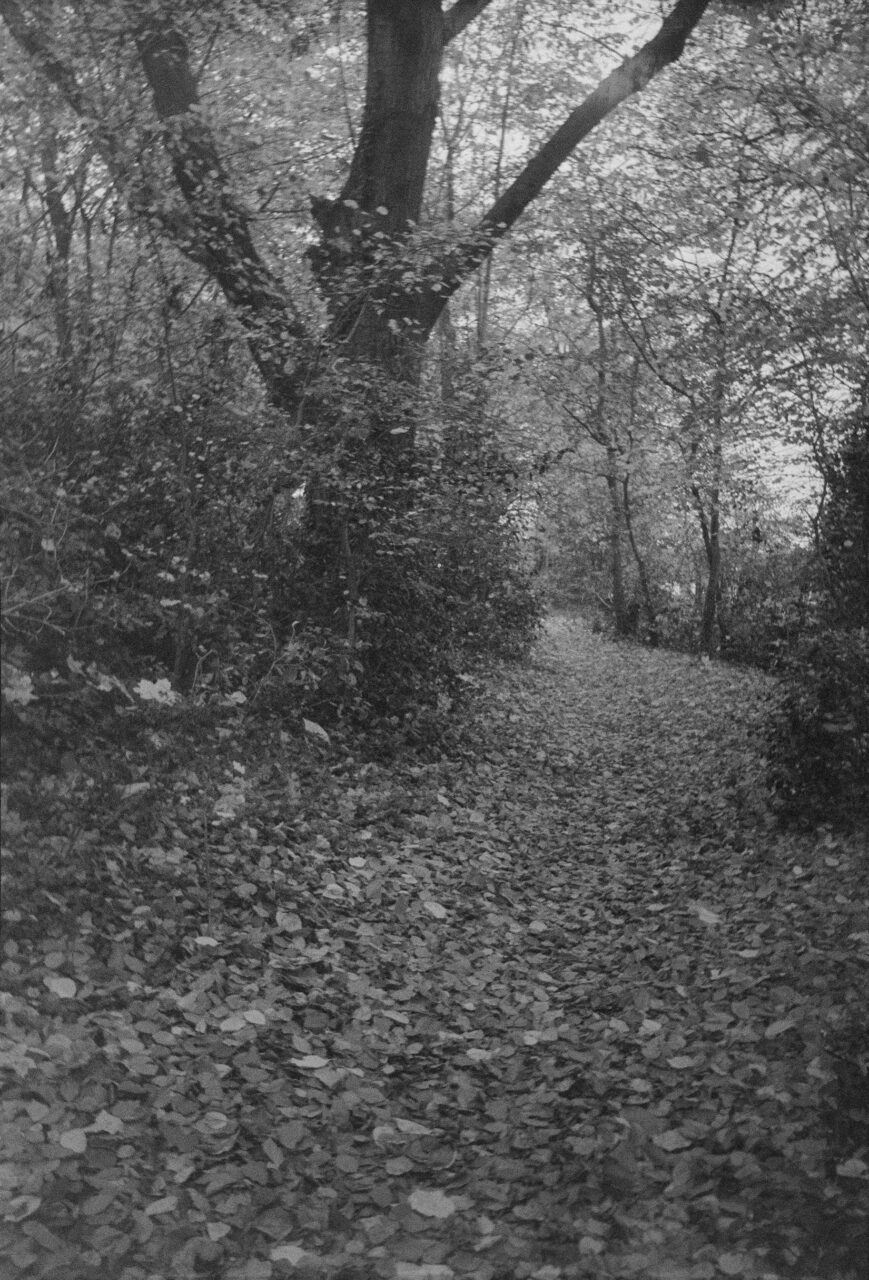
Is the Vivtar VP Series a good alternative for budget conscious compact camera fans? Nah. Of course it isn’t. It’s fun, it’s small, but the images are… poor. If you love that look, and lots of people do, then for £15 you’re in for a treat, but for everyone else it’s probably not the compact of your dreams.