In terms of technology, the 1990’s was such a fascinating time to be alive. The 1980’s felt like the future had been revealed to us as chic, black plastic designs were unleashed everywhere with the word “digital” written somewhere. The 1990’s felt like the foot had been pressed well and truly to the floor on the tech accelerator and we were hurtling towards the future we’d always been promised in science fiction. Mark my words, in twenty years time we were all meant to be driving flying cars.
Design saw two distinct phases during the decade. The early 1990’s saw designers trying to reimagine what the future was going to look like and to bring that forwards looking package into the present. as we approached the millennium everything became about ditching the black plastic of the past and embracing sleek silver, or wild colours with curves everywhere. It was a fun time to live in, products didn’t just serve a purpose, they had to look exciting too. Whilst I acknowledge that functionally a lot of these things were awful, I lament the apparent loss of joy in todays appliances.
The world of photography was not to be left behind and between 1990 and 1995 a slew of cameras appeared that tried to solve the problem of mashing together the convenience, automation and ease of use that a compact camera offered with the quality, choice and zoom range of SLR’s. There’s just one small problem that stands in the way of this dream bridge camera – physics. You can’t just shrink a zoom lens down to nothing, not if you want decent image quality at any rate.
Not that it stopped Canon, Yashica, Olympus, Samsung… Everyone, really, having a go. There are some truly epic cameras from this generation to try out. Let’s see what the Canon Epoca had to offer flashy photographers in 1990.
In this post:
The compact zoom problem
The Eighties saw the world witness an explosion in the capabilities of computing and computers. It was a time of huge transition from the precision analogue instruments of the 60’s, 70’s and earlier to a new world of integrated circuits and electronic automation and control. Out went the beautiful, rugged and metallic designs of the last decade and in came sleek, usually black plastic designs that were meant to look as futuristic as possible. Ergonomics started to matter more as engineers were able to cram in ever more features into smaller spaces in their designs, leaving room to consider more subtle handling characteristics.
This period of change was met with excitement and skepticism in equal measure. There were those who were more than happy with their manual cameras which did, as they saw it, everything a photographer could possibly need and they couldn’t see why anyone would want a light meter built in to their camera let alone, God forbid, the devil itself – auto focus. Wars waged in the letters pages of magazines between those who embraced change and enjoyed the freedom that automation gave them and those who’d die on their mechanical hill.
Simultaneously, compact cameras were seeing rapid growth in the photography market. Customers voted with their feet in huge numbers, leaving SLR sales declining as people chose convenience over out and out control or the flexibility of being able to change lenses. Compact cameras have always been a compromise, you are never going to get the large apertures and pure image quality of an SLR lens in something a tenth of the size. It’s the same reason that phone cameras still produce soft, noisy images in the latest flagship models if you zoom in and really look at the pictures they generate.
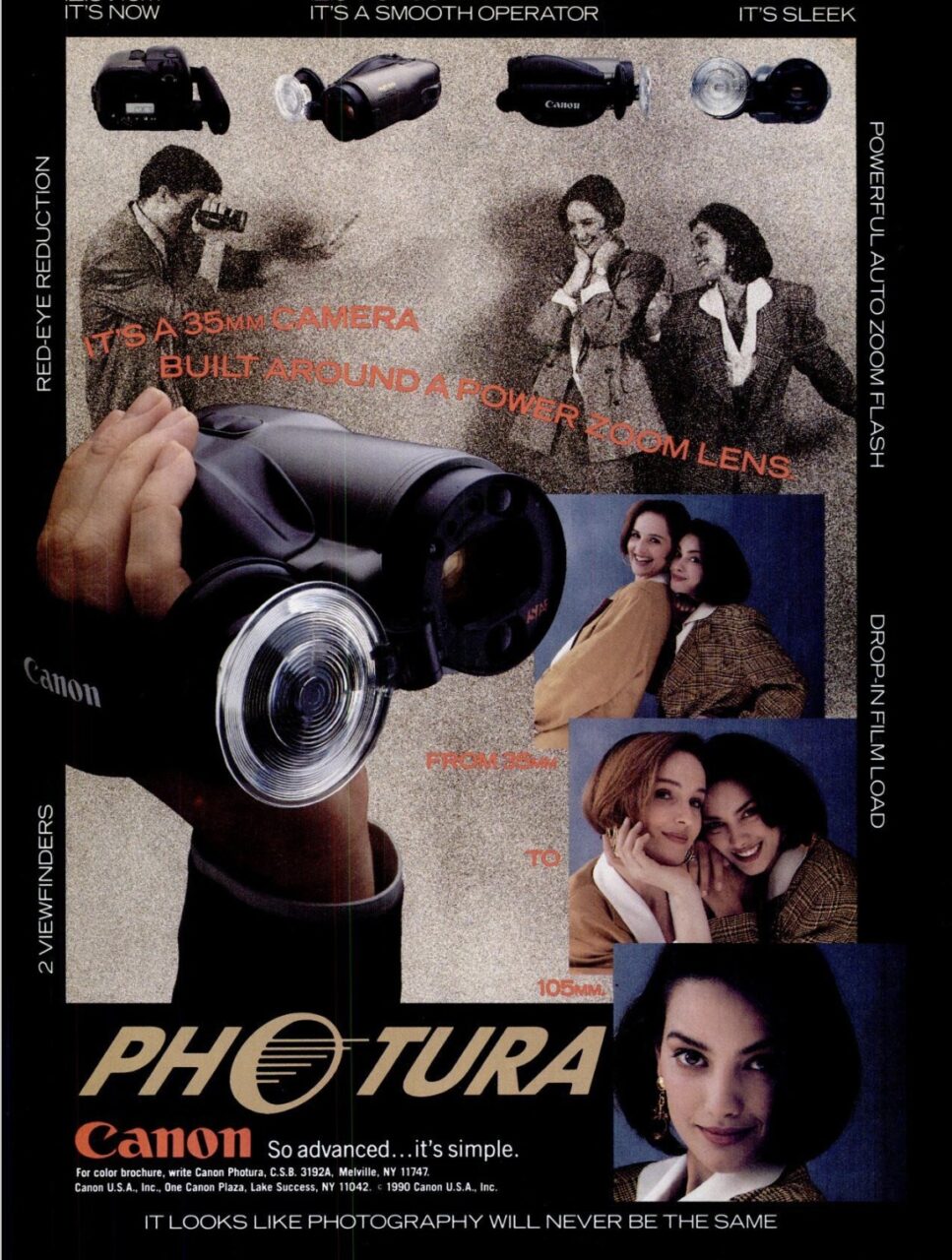
Compacts had traditionally been a fixed focal length, usually around 28-35mm, but short zoom lenses had started to be introduced throughout the 80’s and this basically started a race to see who could pack in the largest focal range in the smallest camera. Limits were hit rather quickly, some Samsung cameras had such long, thin telescopic lenses that the cameras started to look comedically stupid at their longest reach. To truly increase both range and image quality, no one could escape the reality that you need to make a larger camera. The question was posed in design offices around the world – can we make a camera with the image quality of an SLR, with an all in one lens which offers everything from super wide to moderate telephoto, slap on the automation of a compact and keep it all in a relatively sleek package that’s easy to carry all day?
We all know the answer to this question was “Yes, but…”
What appeared were some wonderful creations that ranged from “that’ll do” with the Olympus SuperZoom to “it’s not a camcorder, honest” with the offerings from Yashica and Canon. Both companies realised that the lens was going to be the largest component in such a camera and it couldn’t be shrunk down past a certain point. Therefore, if you’re going to have a massive lens, they asked is it possible to pack the rest of the camera around it to make something that’s perhaps not a traditional camera silhouette but is at least nice to hold in the hand? Both concluded they could and the Samurai Z by Yashica is a “stick everything on the top and bottom” solution whilst the Epoca is “short back and sides.” Both are very clever designs in their own right.
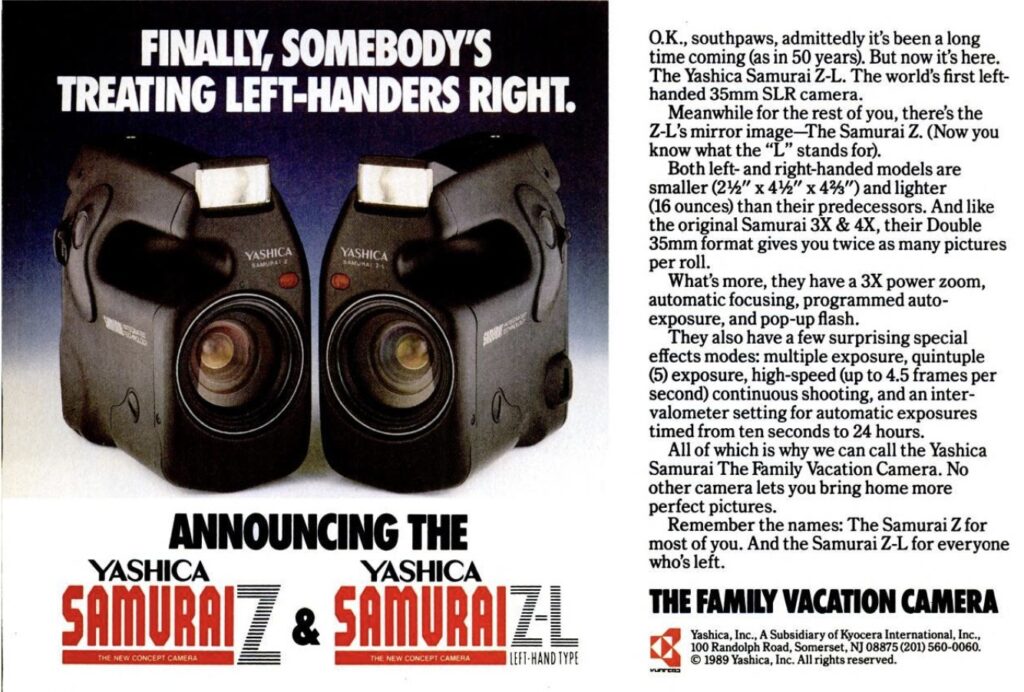
The Yashica advert above is quite revealing – “the family vacation camera” is exactly what these cameras are. Imagine you’re off abroad on one of these new cheap package holiday things that suddenly everyone can afford and you need to travel light. The first thing on your list is going to be a camera and your big old SLR isn’t going to cut it, you want to be able to lug something small but capable around day after day as you explore a new town or city. These cameras let you do just that, gave you great image quality and a really useful zoom range that means you can take everything from your wide angle land and cityscapes to portraits of the family.
Finding a Photura
I’d never heard of the Epoca until I stumbled across one on a second hand camera dealers website, the design of it was instantly striking, but not as much as the low price. Canon Epoca’s don’t go for a great deal of money anywhere as far as I can tell. I still think I got relatively lucky with mine, however, as without much effort I managed to win an absolutely mint, boxed copy for £21.39 all in, which is a bargain when you see how well preserved this camera was.
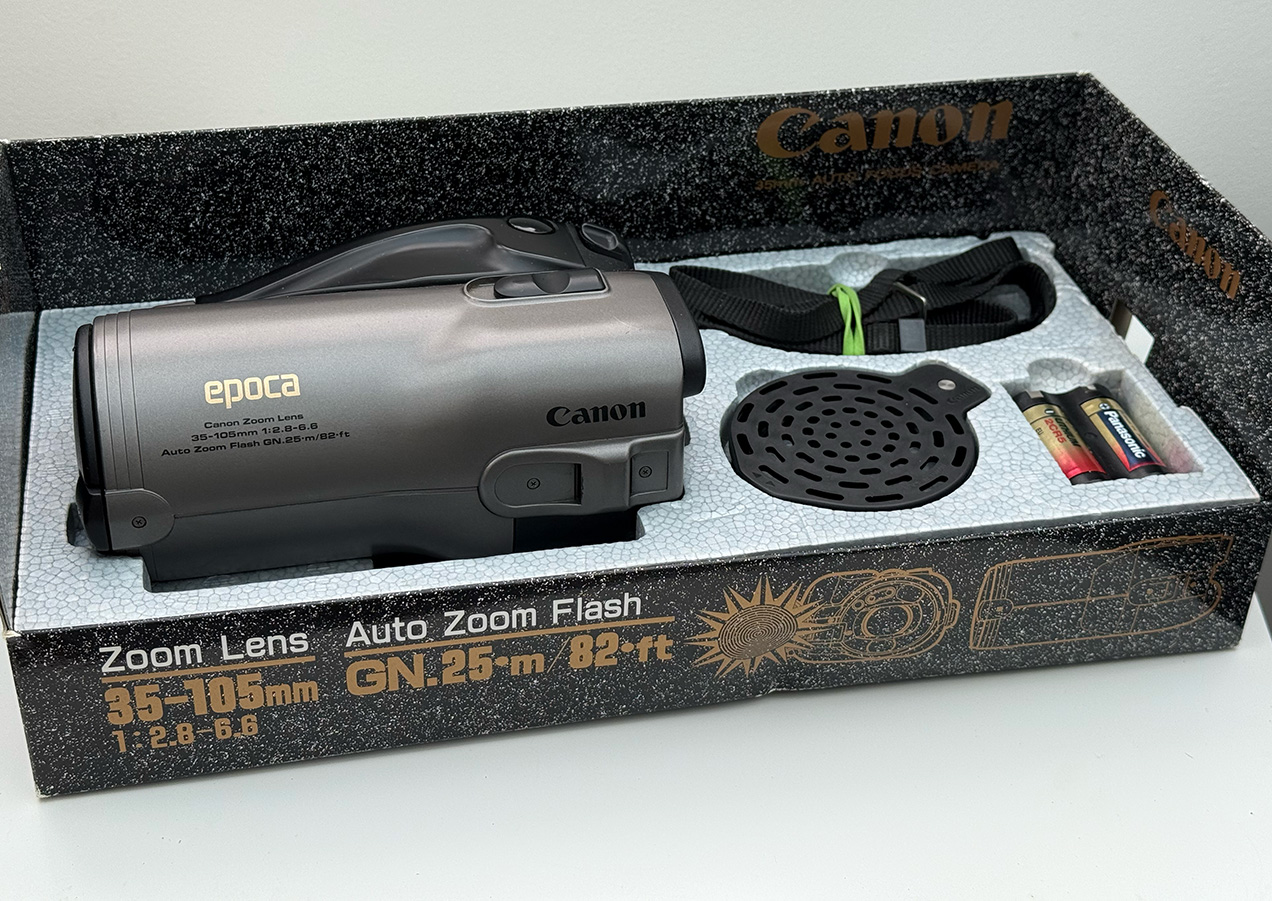
How much use has this camera ever had in its life? Either the original owner was a wonderfully careful person who took great care in their possessions or they just didn’t get much use out of their camera and neatly boxed it up again to never be used again.
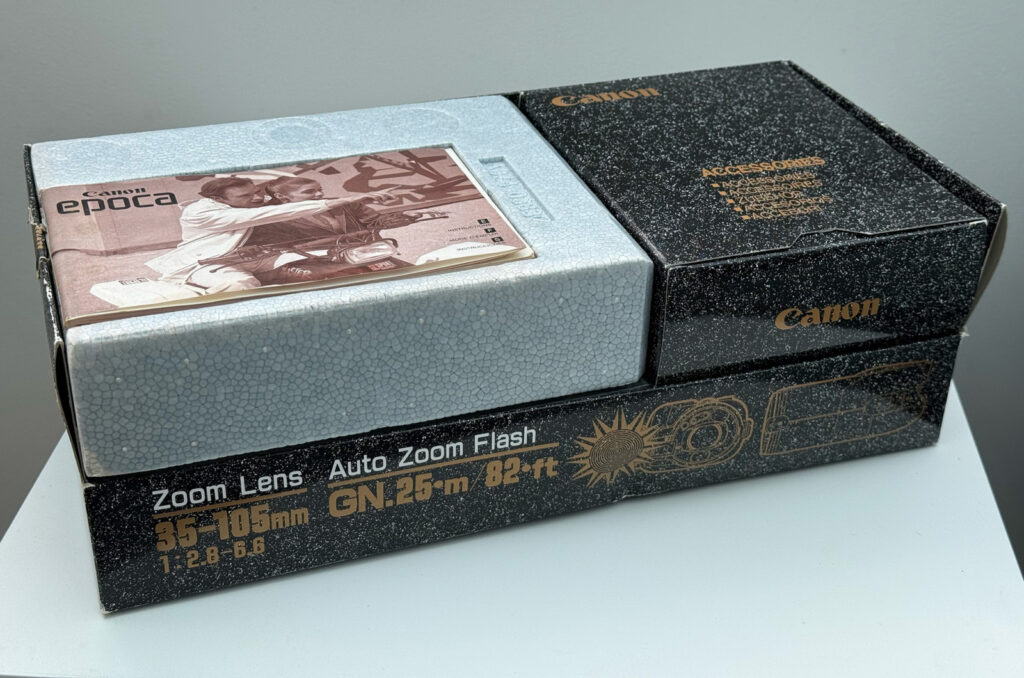
All accessories and the manual were present and correct. The accessories box which houses the neck strap and a case looked like it had never been opened and the contents certainly didn’t look used at all. If you were a collector of cameras or really loved this kind of thing, this is the camera for you.
Usage and handling
If you’ve ever held a camcorder from the 90’s you’ll know exactly what it is like to hold the Epoca. You slide your hand in the strap on the right hand side and this clamps the camera firmly in place. Bringing the camera to your eye, all of the controls are in sensible and natural places where your fingers naturally fall. There really is no reason to move your eye from the painfully crap viewfinder to check or change a control when taking an image.
The hand strap and overall light weight of the camera are a stroke of genius. You could quite easily have the Epoca hanging off your hand without resorting to an often uncomfortable neck strap for hours on end. In use I never had the slightest worry that it might slip out of my hand, it was super secure and doesn’t cause any kind of fatigue you might get from constantly holding on to an SLR grip.
The viewfinder, however, is a different story. It’s shocking. Why Canon decided to absolutely ruin a great camera with a stupidly tiny viewfinder is a mystery only the original designers could explain to you, because I can’t. You must place the viewfinder perfectly centrally on your eye. Any deviation in any direction and you’ll see big dark areas as the sides interfere with your vision. I am at a loss for words to describe how awful a user experience this is and it is a massive shame, just a few more millimetres of real estate would’ve made this a complete non-issue. Accuracy is also poor – what you see isn’t necessarily what you get. Pictures I thought were tightly framed or cropped in camera came out with extra detail around the edges that I’d definitely planned to leave out.
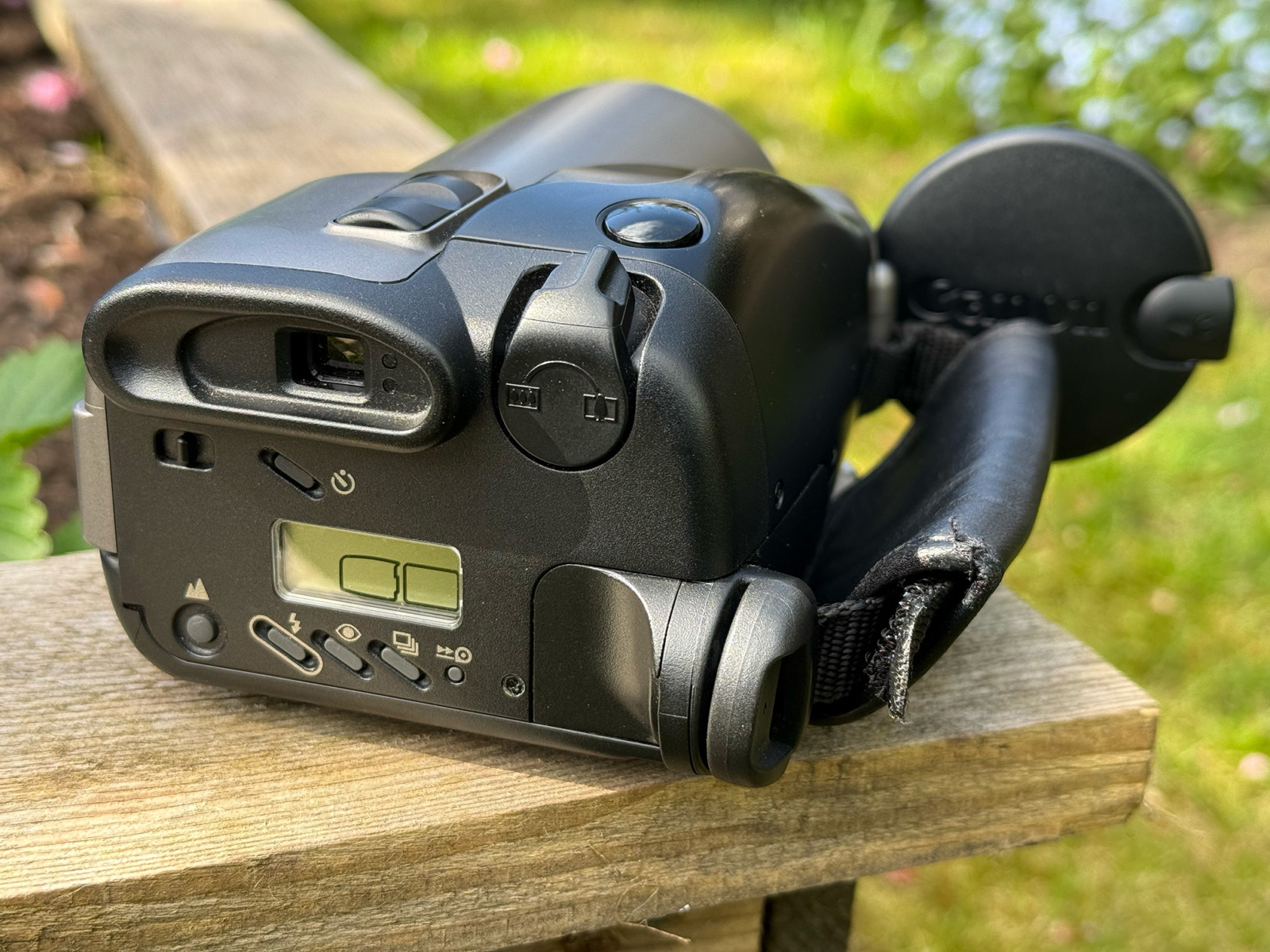
I think the same team that designed the viewfinder also had their hands on the rear controls as well. The buttons that control flash settings and so forth are all painfully small. I’m not sure, but I think peoples fingers in the late 80’s must’ve resembled knitting needles, I can’t think of any other reason why you’d make buttons so difficult to press on purpose.
Other than those two things, ergonomically this camera is a joy. It might look odd but to actually use an Epoca is a really pleasant experience. The zoom controls are large, soft to the touch and easy to use, as is the large and very well placed shutter button. A lot of thought went into how you’d hold and use this, one look at the neat little thumb grip at the back shows you just that. It just goes to make my head hurt even more that you could make something that is so good, yet so bad at the same time.
There are some brilliant design touches elsewhere. The most impressive is the multi-function lens cap which acts as a flash, diffuser and on/off switch all in one. Even if you’ve zoomed the lens out and it protrudes slightly from the front of the camera, if you close the lens cover it automatically retracts as you do so to avoid damage to the hinge. Clever. Film loading is stupidly easy and reliable, just pull out a short length of film and drop it in the slot, almost like a Leica III, close the flap and it loads automatically for you, nothing like a Leica III.
Image quality
Really, we all know it doesn’t matter how futuristic or silly a camera looks (depending on your viewpoint) what really matters is do you get better pictures in return.
The answer with the Epoca is a resounding yes. The detail and sharpness that this lens captures is very good indeed and certainly a step up from your average point and shoot compact camera. However, I do think there’s something broken with either the shutter or film pressure plate in my Epoca because it produces negatives with a very strange trumpet shaped distortion on one side of every frame. Take a look at this example:
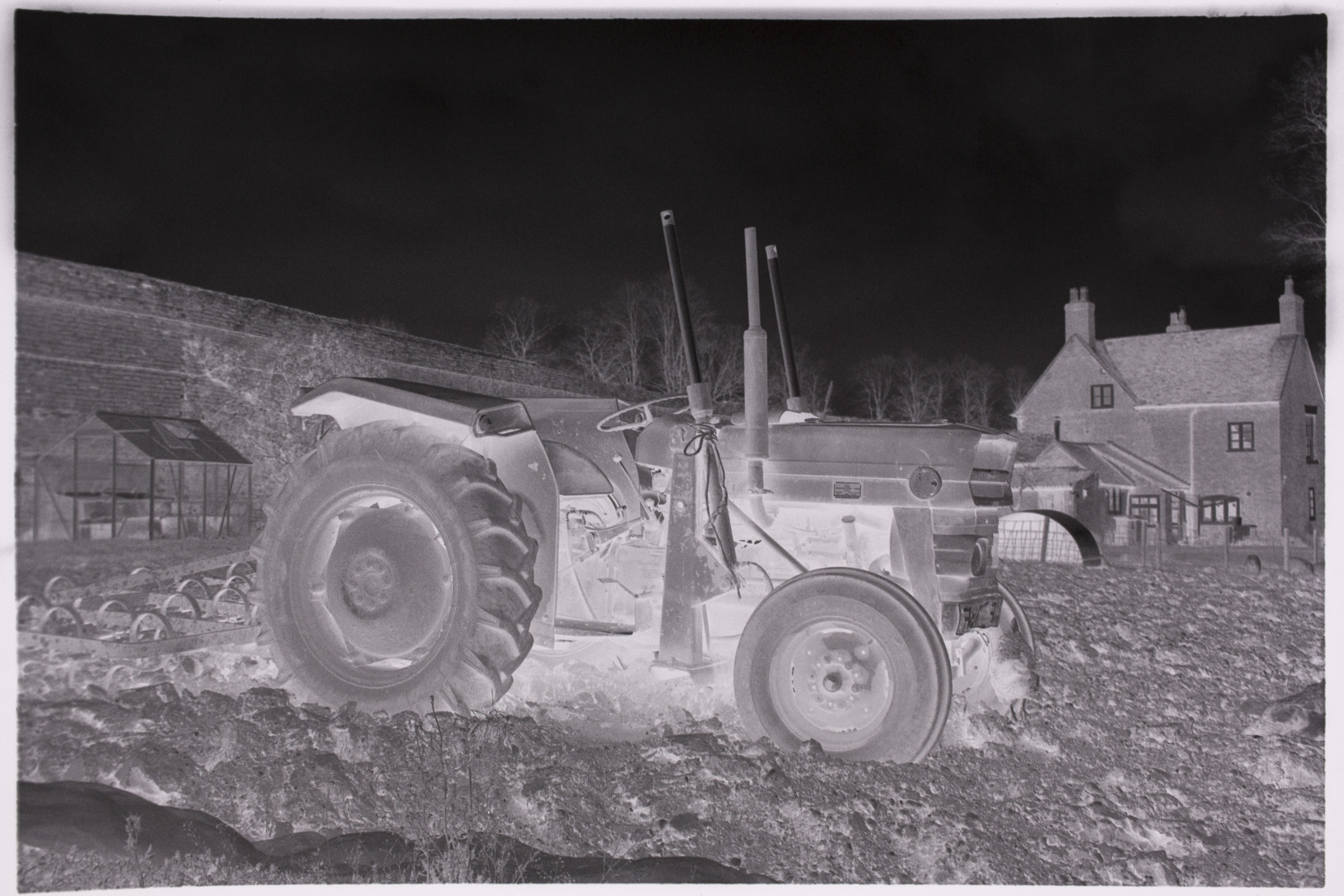
You can clearly see that the edges of the negative are fairly straight and uniform except for the left side at the top and bottom. This isn’t a problem with my negative holder or scanning set up – only negatives from this camera show this issue. It causes that edge of the image to be noticeably soft but not particularly warped in any way that my eyes can see. What causes this is beyond me, but I definitely think it isn’t normal or likely to have been present in these cameras when they were new – I could be wrong, if you have an Epoca, let me know what your negatives look like.
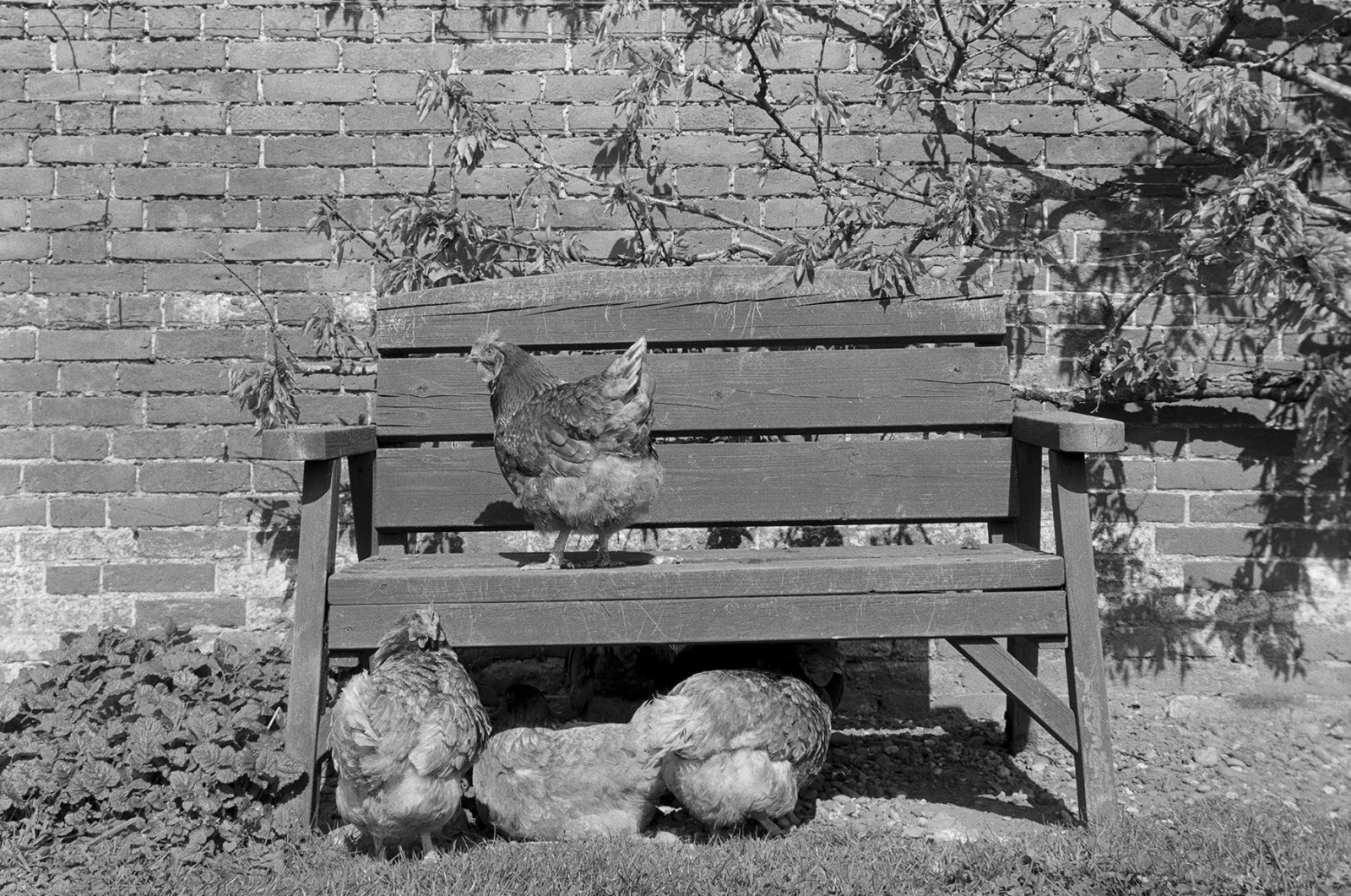
The reviews of the Epoca that I could find in reputable photo magazines such as Popular Photography in the US were all very complimentary about the quality of images that this camera produces and I cannot argue with them. The camera was enough of a success that a second version was released shortly afterwards with an improved zoom range. My camera is fitted with a 35-105mm lens, the later version changed this to a 38-135mm, sacrificing a tiny amount at the wide end for extra telephoto reach.
Talking of the zoom range, here’s your obligatory two pictures taken from the same place at both extremes of the lens:
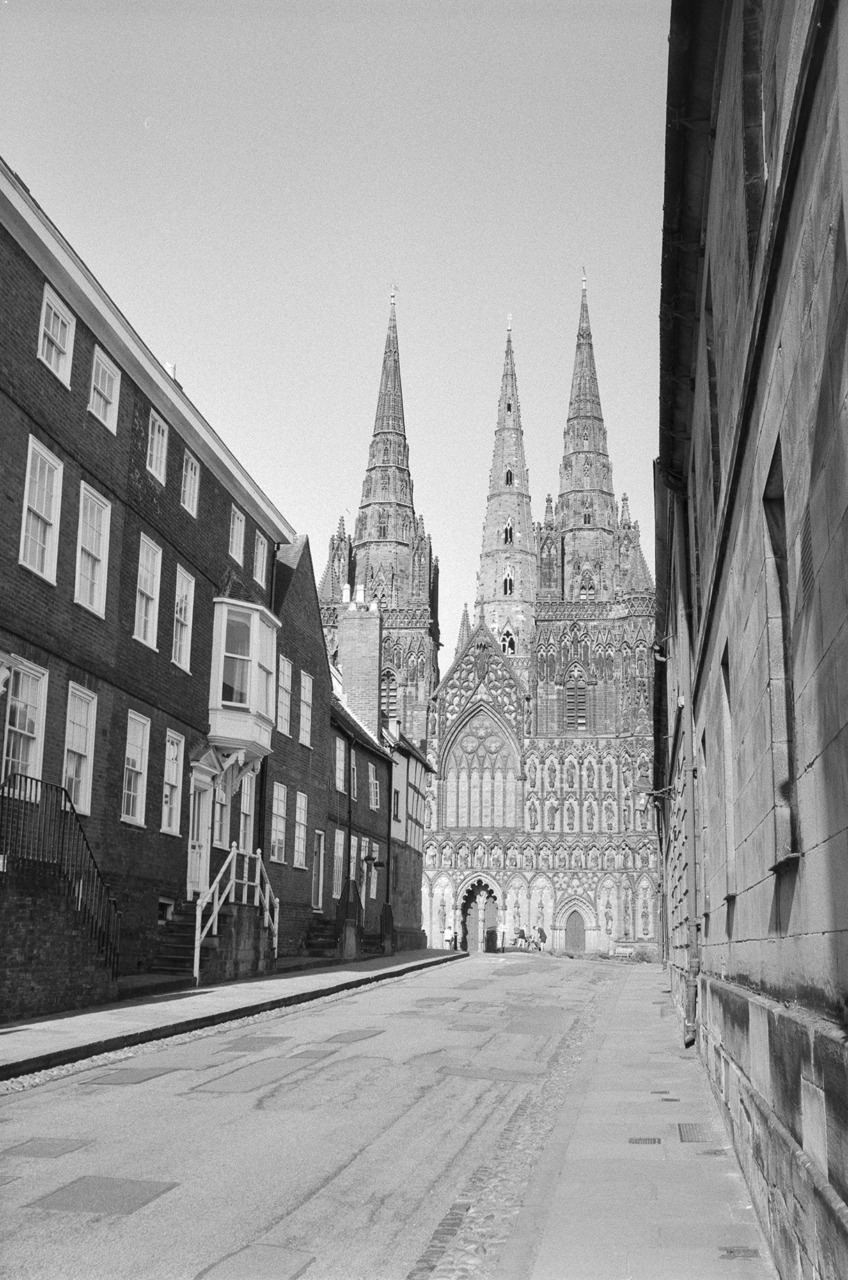
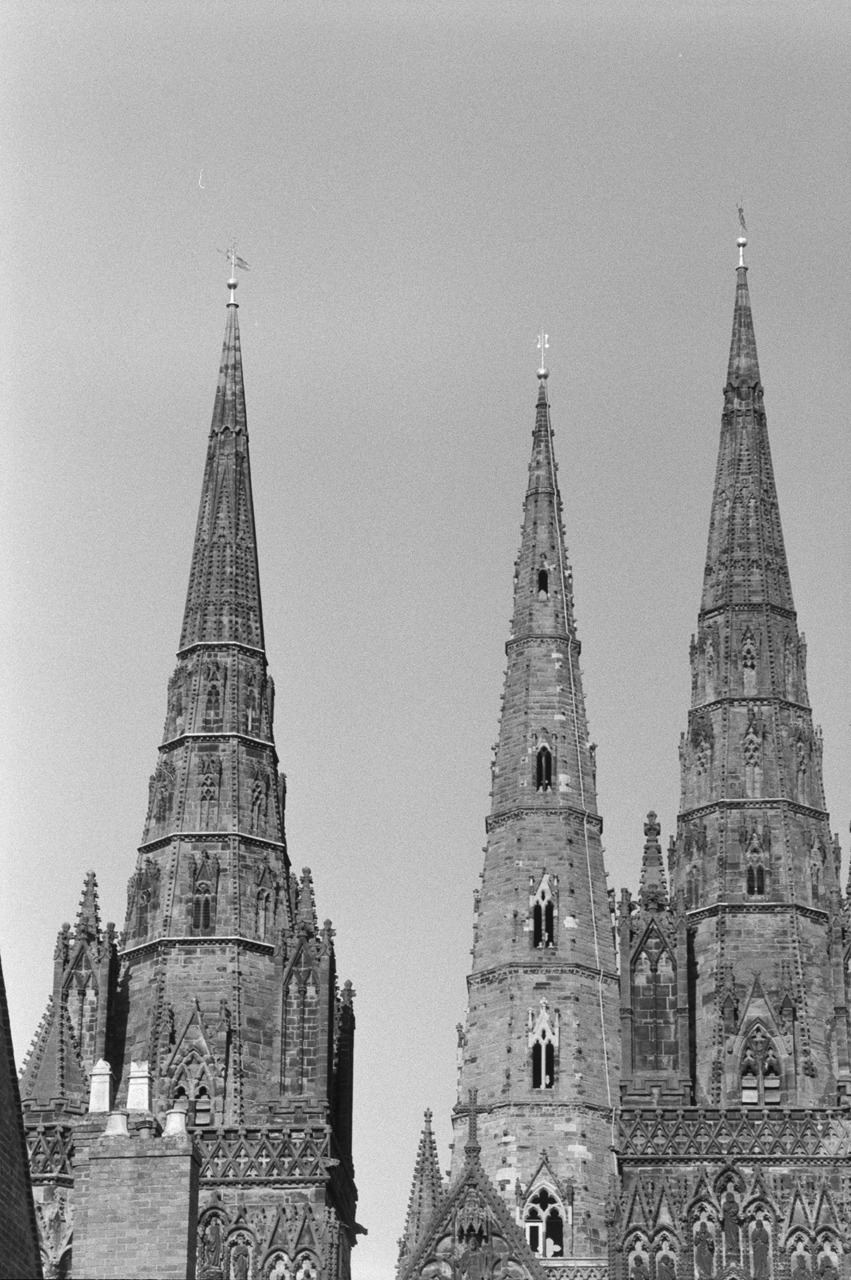
The Epoca gave me sharp, clear images in every shot where I didn’t ignore the built in camera shake warning. As I have a built in allergy to pictures taken with flash I always turn it off, so there were plenty of occasions where it got upset with me for trying to take a picture in less than perfect light and refusing to allow it to fire off a big burst of flash. The flash is so powerful that when I accidentally left it on and took a picture of my daughter she cried, so there you go – flash is upsetting, don’t use it.
Invariably, I didn’t quite have the zen like ability to lower my heart rate to 5bpm and achieve shake free images at the long end of the zoom range in poor light, but I did at the wide end. This is par for the course with automated cameras that give you zero information about the settings they’ve chosen and even less control over them. What the Epoca choses is what you get.

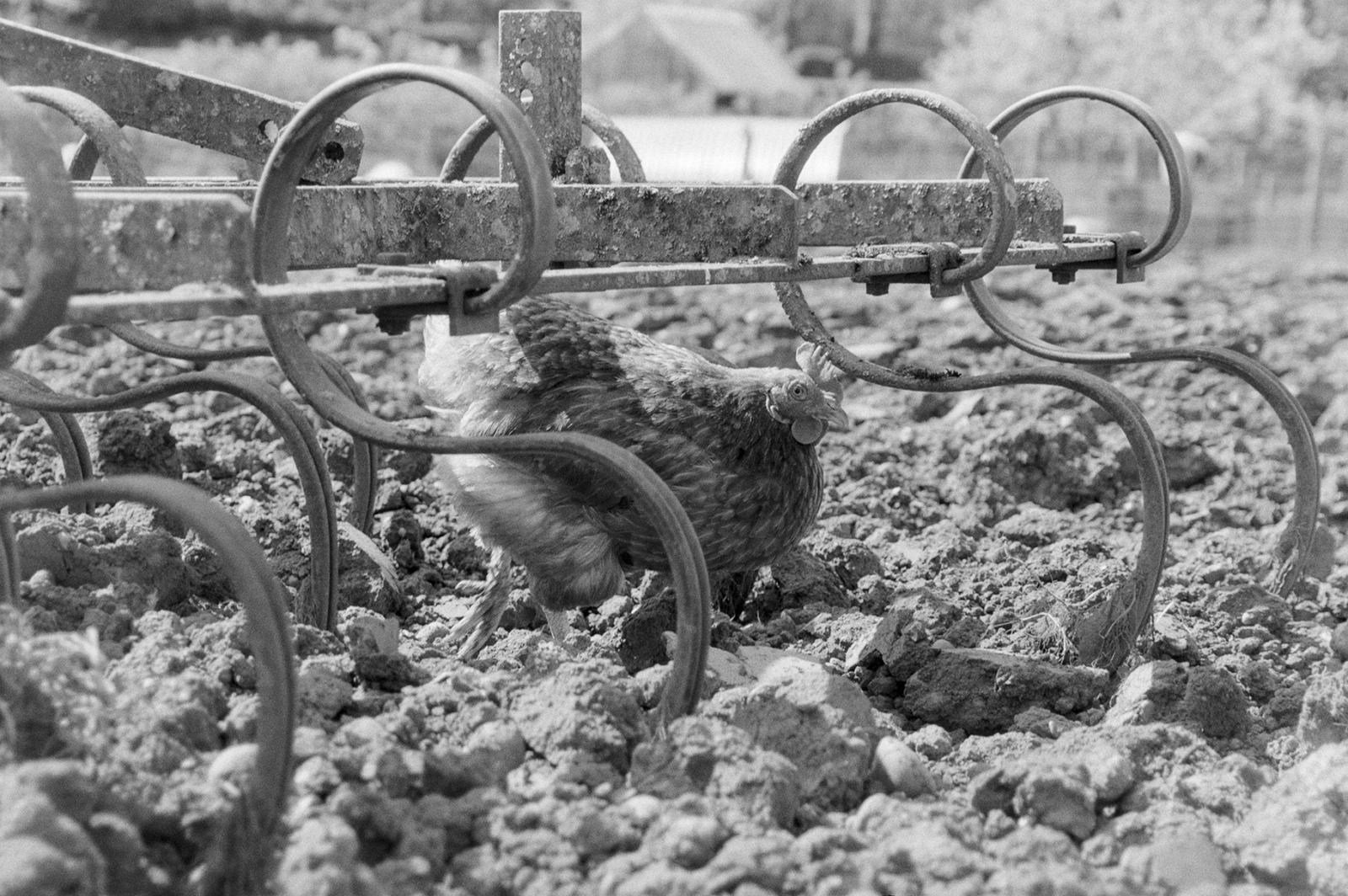
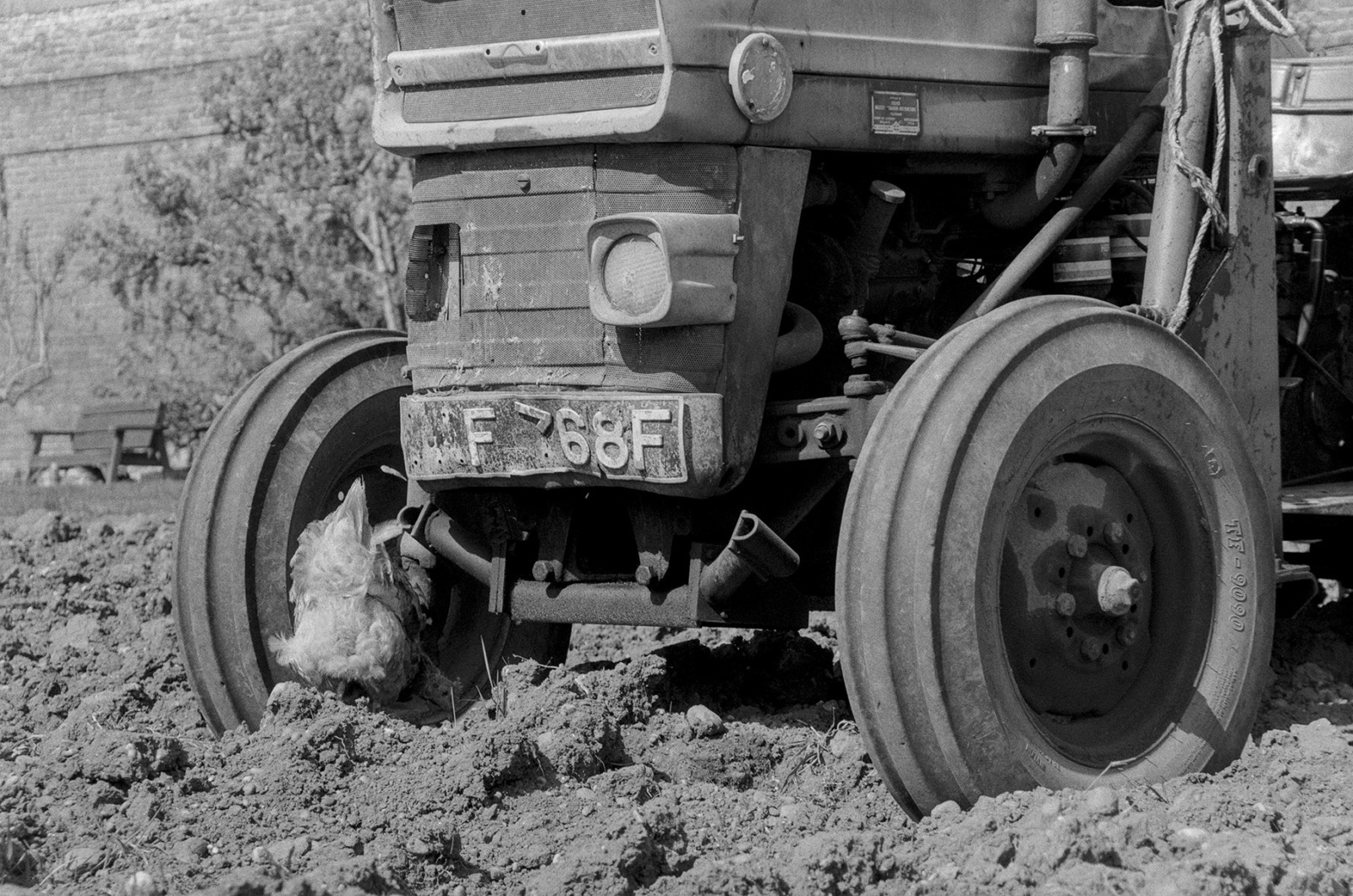
It must be said, though, that the meter in this camera is excellent. I pointed it into the sun, gave it scenes with big contrasts between dark and light and every shot came out well exposed. At the absolute worst it gave slight over exposure, but an adjustment of half a stop was all that was necessary to bring it back to an acceptable level. There is something to be said, as usual, for the sheer dynamic range of film here as well. This is the first time I’ve used Kentmere 100 (I really don’t get on with 400) and it gave pleasing if not mind blowing images with reasonable grain.
Conclusions and learning
Ah Canon. What you giveth, you taketh away.
This is a really, really good camera. You cannot argue with the sheer quality of pictures that come out of it. The lens is excellent, the zoom range is useful if not spectacular and it fulfils its design objectives perfectly. It would’ve been a formidable travel camera in 1989 when it was released. The design ergonomics, light weight and ease of carrying are absolutely perfect for its intended purpose.
It’s just… that viewfinder! The one thing on a camera that is essential, that has to be right. It’s the very essence of a camera – to be able to frame an image quickly, easily and comfortably. Yes, of course you can frame images using the Epoca, but it doesn’t make it easy. Perhaps I’m missing something, perhaps there’s a very valid design or physics based reason why it had to be this way but I don’t see it. If you’d traded your SLR in for this you’d have been in for the shock of your life. It would be the equivalent of going from living in a greenhouse to a boat with a tiny, tiny porthole for you to look out of.
Can we forgive it? Yes I think we probably can. The rest of the camera almost makes up for this one serious flaw. The buttons are awful but you can just about prod them with your nail or, failing that, the classic Bic Biro will do it for you.
If you wanted to take a film camera on holiday with you today and didn’t want to be burdened with the weight or endless choices that a SLR kit would give you then the Epoca is a genuinely compelling choice. I’d be more than happy carrying this around for a day of exploring somewhere new. I didn’t really think about the photographic process at all using it, I just pointed it at things, thought about composure a little and then fired off a shot and moved on. This is exactly what this camera was designed for. It isn’t an artistic tool that gives you complete creative control, it is a machine to capture the moment without getting in your way and it does that nearly every time, unless you move your face slightly and the viewfinder disappears, that is…
As someone who really doesn’t like compact point or shoot film cameras in today’s world, how much I liked the Epoca came as quite the surprise. I still don’t see why you’d go to all the expense of using film and not want to have creative control over your images, but if you love compacts for the very reason you just want to shoot film and not think about it then… this is quite a good tool. You do need to be aware that you have zero control and that if it picks the wrong thing to focus on (and it can) you won’t have a clue until your images come out. If you’re happy with that then, for a few quid, you might want to give this a try.