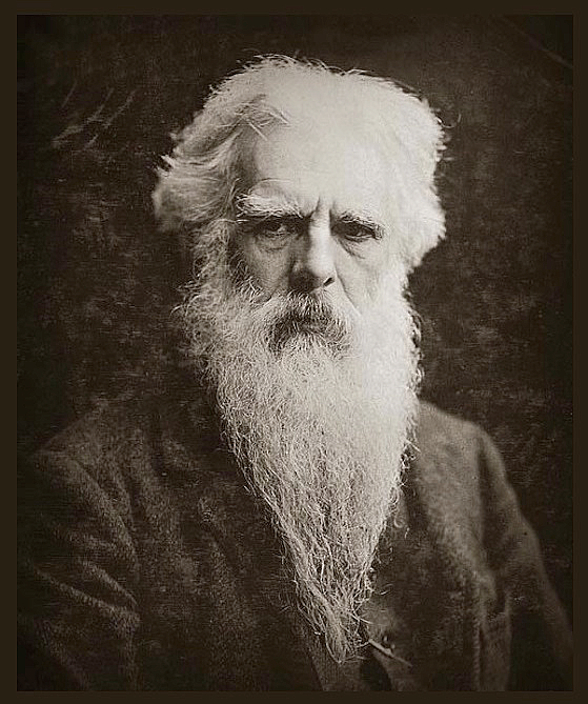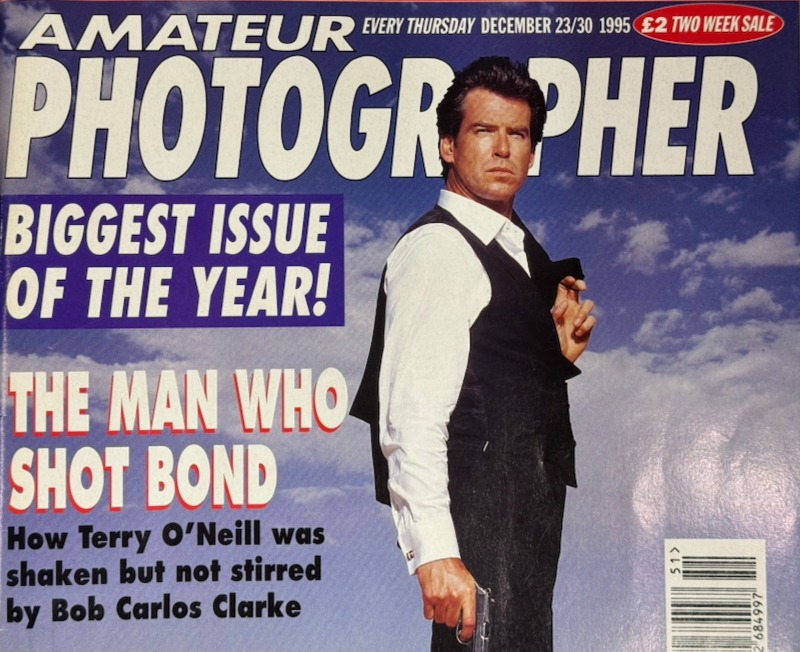
It’s weird when part of your life that doesn’t seem so long ago is now classed as “social history” but whilst it seems like yesterday, thirty years is apparently a long time. I decided to take a look back through an entire year of old Amateur Photographer magazines to gain an insight into the things we were bothered about, that excited us and some wonderful predictions that were either prophetically on the money or miles short of the mark.
Magazines are a perfect time capsule of culture, attitudes and trends that you can’t really get from many other sources. For those who never experienced this golden generation of publishing it can be hard to understand the influence and impact that magazines had on peoples lives. Magazines covered any and every aspect of life, every interest you could think of and there were multiple for many topics. People were tribal about their chosen publications and would religiously buy them every week or month and absorb them cover to cover.
Every single one of these magazines had a letters page and some of the communications sent in were supreme rants, the odd one quite insightful and some just felt like people talking to themselves. I sat and flicked through fifty or so copies of Amateur Photographer, read pretty much every correspondence and news article and collated the most interesting to get a flavour of how things were going mid decade.
In this post:
It’s 1995, sex sells
There have arguably been periods of liberation and broadening of attitudes in nearly every and any decade you care to choose. Let’s face it, in 1900 you were being positively vulgar and indecent if you so much as showed a bare ankle or forgot to starch your collar, but things change and standards seemingly relax over time. You could sum the 1990’s up with a phrase that was bandied around a lot at the time “ooo er missus.” Christ only knows where that came from but it roughly translates to “blatant innuendo incoming.”
This review headline from January sums things up perfectly:
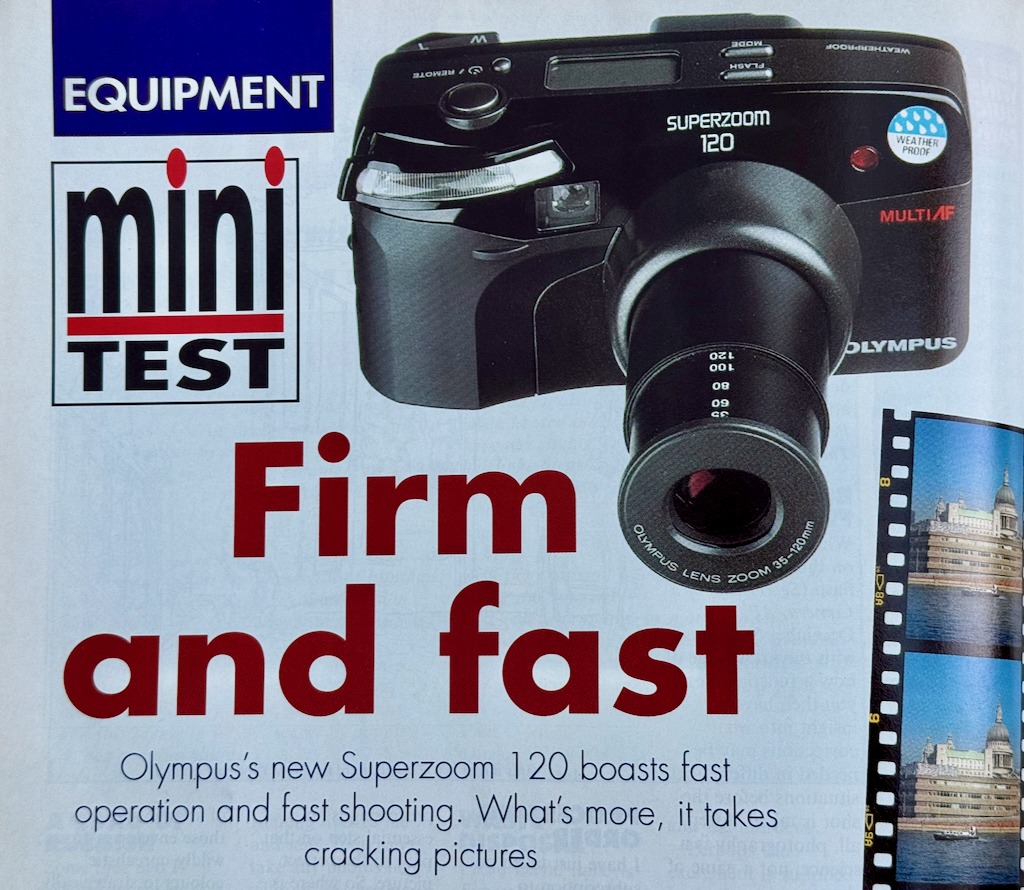
Firm?
Fast?!
Suits you, Sir.
I’m already at risk of falling down the trap of making 1990’s references that no one, especially those who aren’t English, have any chance of understanding. Just this once, I’ll give you some help.
But, yes, even a photography magazine had succumb to the trend for “racy” headlines that were all over the place back then. I’m not even sure what the firm aspect of the title has to do with anything. How can a camera be firm? Unless you’re planning on using it as a door stop, I don’t think firmness is up there in your top three purchasing criteria.
Mail order
Moving on, one thing that repeatedly falls out of these magazines is extremely colourful freepost envelopes. Mail order developing labs were massive business in the 1980’s and 1990’s, offering a cheap service with fast turn around. Many had the advantage of not operating high street shops and having to pay the associated overheads so were able to charge rock bottom prices. There were always tempting offers, usually for free films or extra sets of prints to draw customers in.
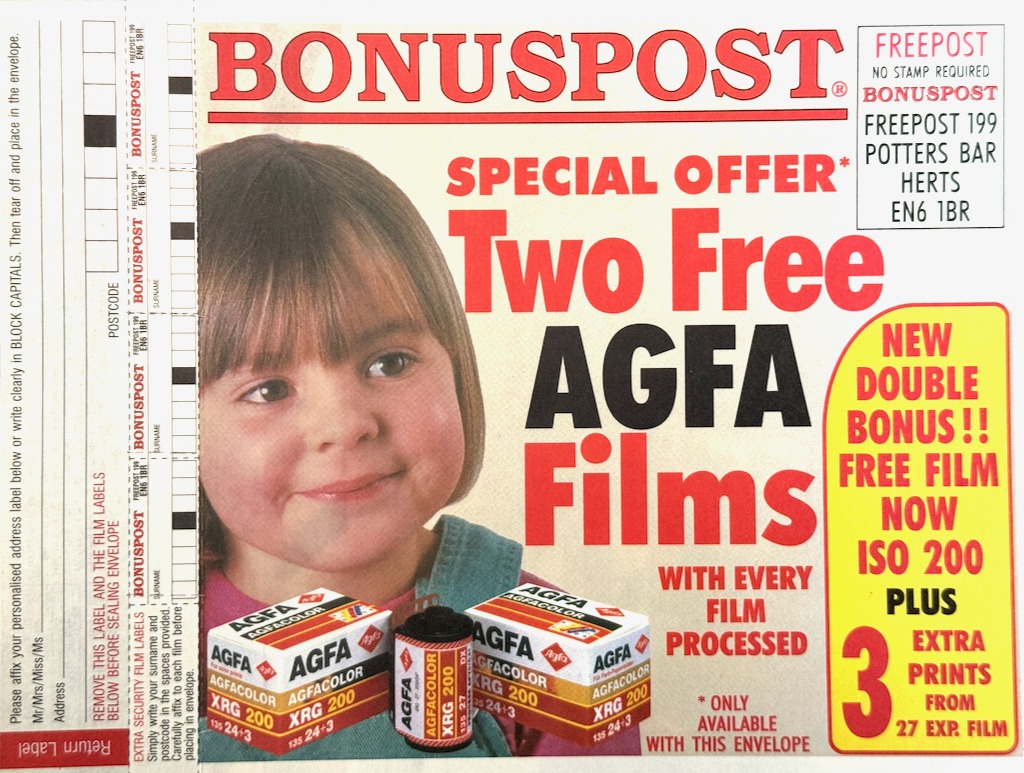
In this case you were getting two free films per film you had processed which just goes to show how cheap film was back then and also gives an indication of the sheer volume of films they must’ve been processing to make this kind of offer even remotely financially viable.
All you had to do was clearly and legibly (which counts me out) write all of your details in the tiny label at the top, repeat for every film you sent, stick them carefully to your film and hope they didn’t fall off and then fill in the really easy to understand order form on the back.
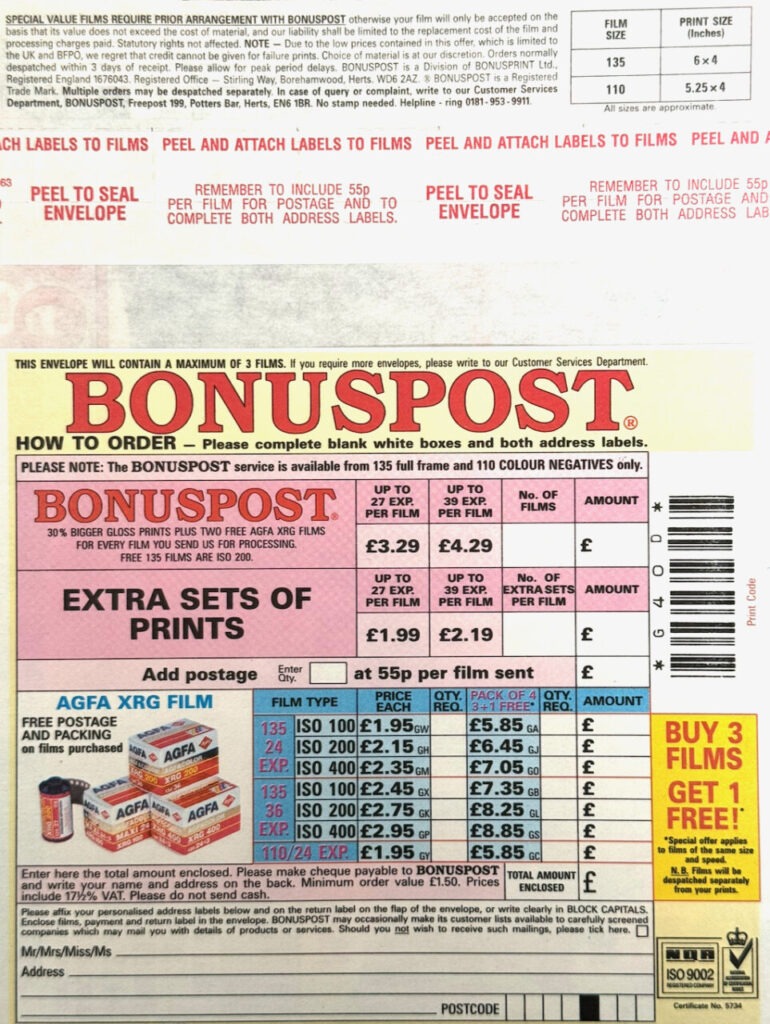
Finally, double check your maths, get the cheque book (what’s one of those?) out, fill in a crisp new cheque and send it all off. Thinking about it, they must’ve had a spectacular finance department because cashing a cheque has never been a quick process so they either worked on the presumption that cheques wouldn’t bounce after they’d sent orders back or their bank managed to cash them in double quick time to enable quick order processing.
God only knows, but mail order was the hot potato before the internet came along. How quickly you forget the amount of sheer trust you had to place in companies that had no face and you just casually sent them some money and hoped things turned up in a week or two. It seems mad now that we used to do this, but do it we did.
Everything was cheaper
It’s depressing that you could get four colour films for under £9 or £18 in todays money. That’s a serious bargain in anyones book but to be expected when film was manufactured at such scale and quantity that it was nothing more than a commodity item. However, that’s not to say that everything was cheap in the heyday of film.
Olympus launched the OM3 Ti in 1995 and it was set at a price point that’s not for the faint hearted.
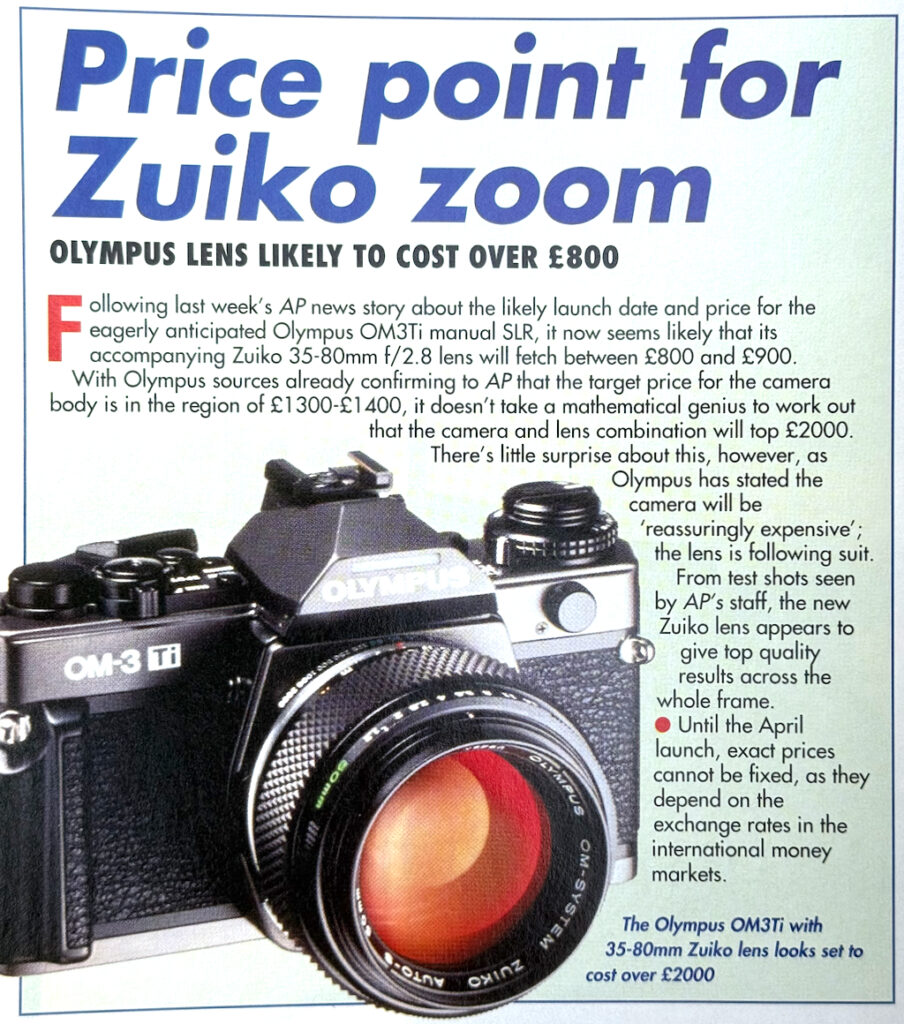
This “reassuringly expensive” body and lens kit had a target price of roughly £4150 in todays money. That’s Leica and Hasselblad territory and, whilst expensive today, they have not retained their value in the same way – not that an average selling price of £1100 today is by any means cheap.
Talking of retaining value, what if you wanted a Leica in 1995? Well, we’ve got you covered with this second hand selection:
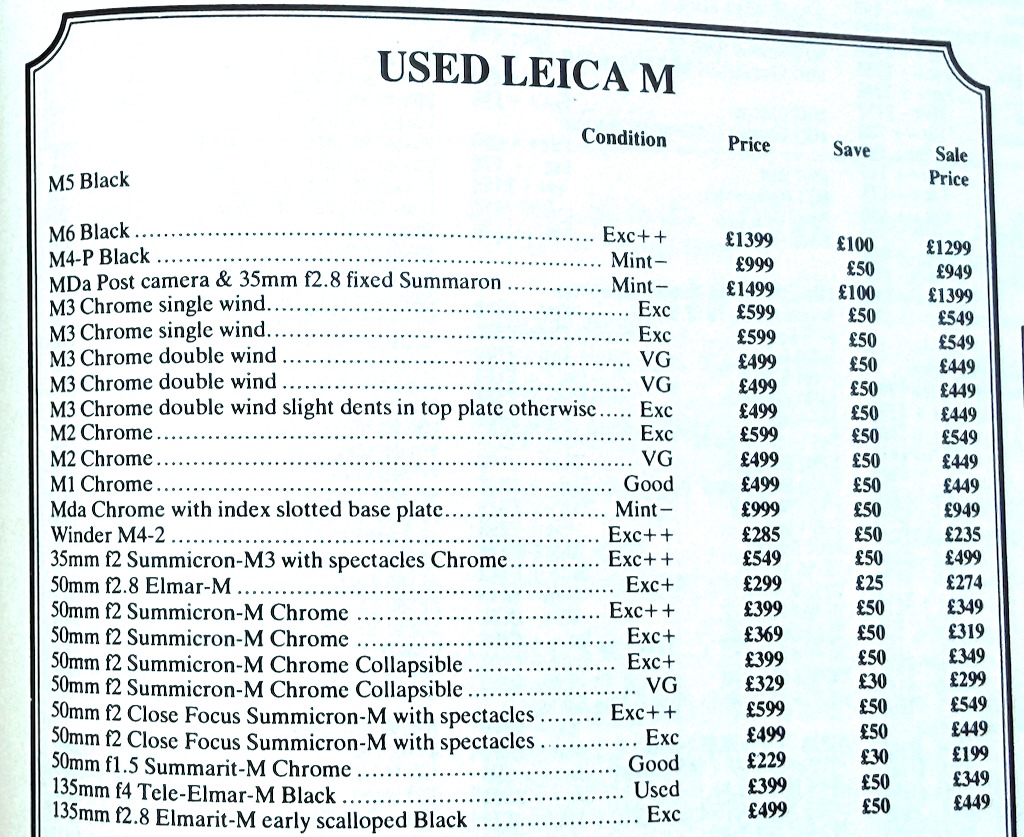
An M3 back then was competitively priced at £499, which is £1000 today and pretty much the minimum price you’d expect to pay for a working copy. These prices were on the cheap side too, other sellers were asking more in the £500 to £599 range for the same camera. The M6 wasn’t and never has been cheap, but at an inflation adjusted £2900 this offering was amazingly more expensive than many offerings available today. You heard it here first – M6 prices are on the way down, buy the dip.
What about cameras for mere mortals? There were certainly plenty of offers for you to compare and procrastinate over.
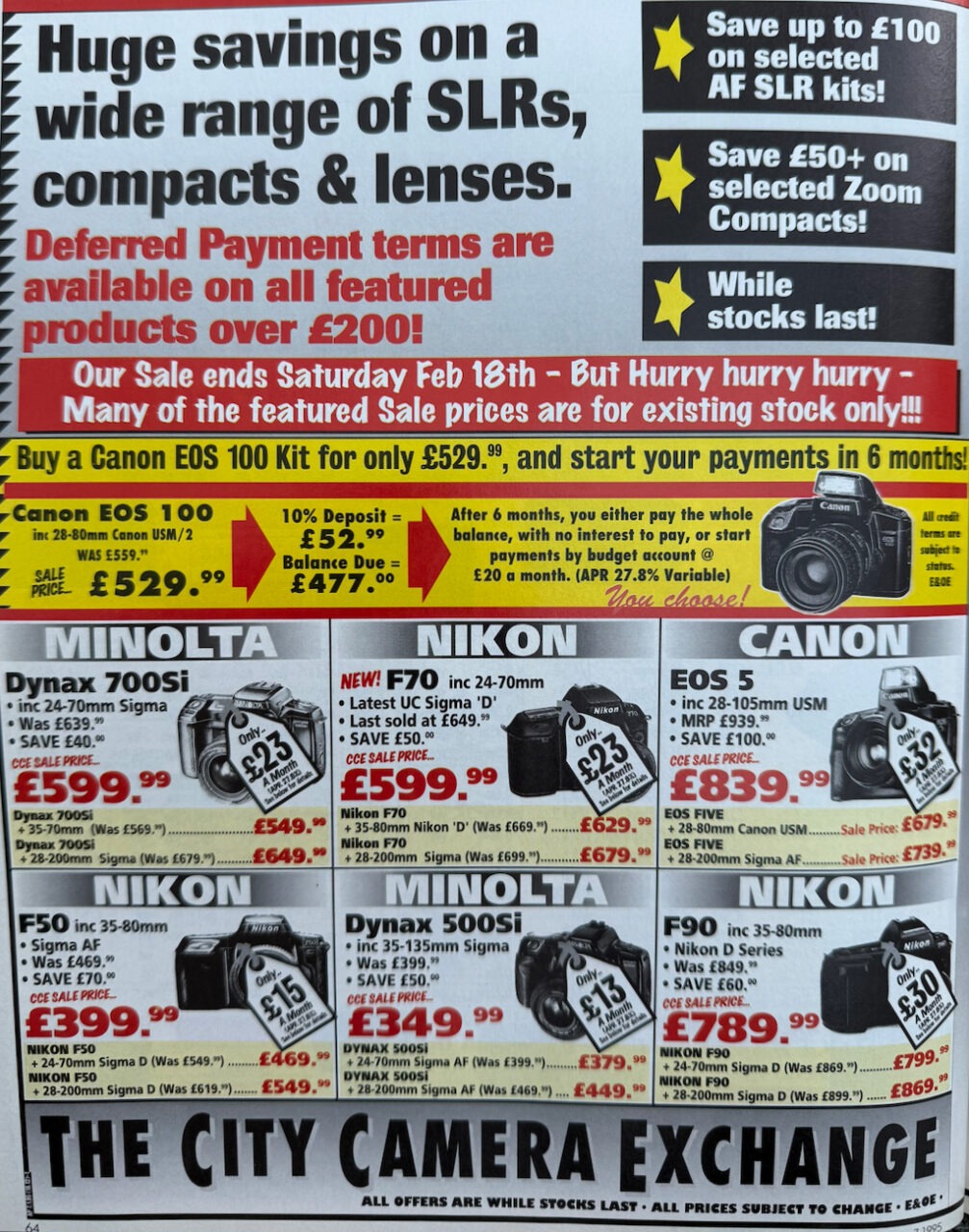
Honestly, though, at these prices nothing remotely capable was cheap. The Dynax 700Si and Nikon F70 are both £1100 in todays money and that must’ve given photographers more than a slight pause for thought. Buying a film camera really wasn’t something you rushed into, it took serious saving and commitment to join the ranks of the professionals and serious amateurs. No wonder people held on to their investments for so long or simply refused to make the jump to auto focus when it appeared.
We can and do complain about the cost of living and prices of goods today but the inescapable fact is that luxury items such as cameras were historically much more expensive and less capable than todays offerings. Of course, you can blast £8000 on a camera today if you so wish, but the second hand offerings available are still mind bogglingly capable which negates the need for many to make such huge investments. Second hand choice back then would’ve been last generation manual focus bodies. Auto focus could definitely have been seen as a need rather than a want, whereas its difficult to make that argument when comparing DSLR’s and Mirrorless cameras today.
I think it’s safe to say we have it better right now.
Advertising styles
Taking out a full page advert in a magazine must’ve cost an absolute fortune and you get the feeling that advertisers were keen to get every last penny of value out of their investment.
Adverts in the 1980’s and 1990’s were extremely text heavy, with as much detail about the product as it was possible to squeeze in. This makes sense in a time where you couldn’t include a link to your website or expect people to get their information from YouTube reviews. An advert in a magazine or newspaper was your chance to showcase your product to the world and if you didn’t wow your audience with detail you probably didn’t have a great product to sell.
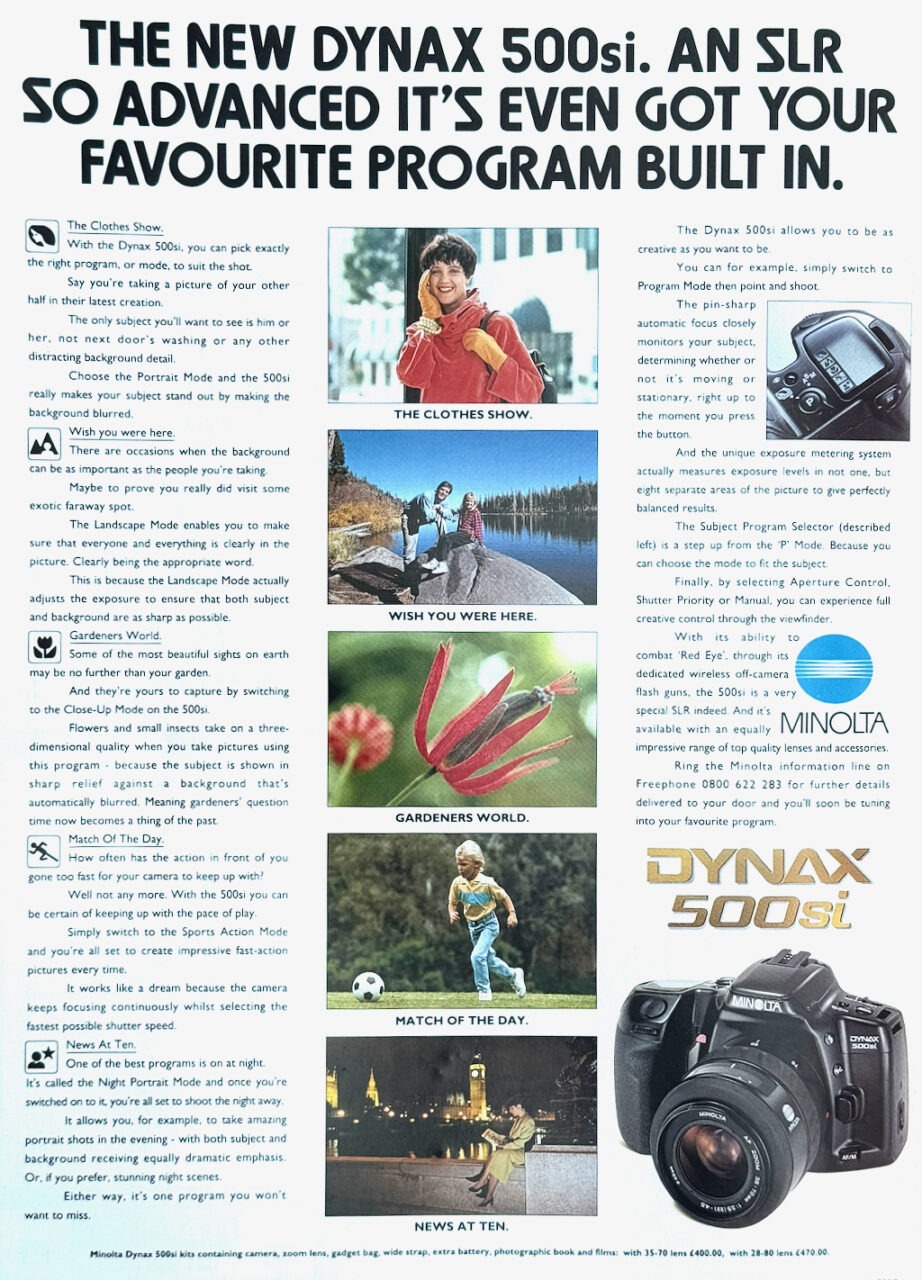
Adverts like this for the Dynax 500si are a great example of a typical high quality effort. Clear product shots, impressive example pictures, lots of detail and a bit of cheeky TV based humour built in. I do love the idea of ringing the Minolta Information Line and ordering myself a brochure. I wonder how many people actually used these things but then, they still exist on the side of products today, so someone must be phoning them. Mitchell and Webb did a brilliant sketch once about the Milk Helpline which illustrates the point better than I can.
Not all adverts were up to these high standards, however, and this next example made me question for a moment whether it was some kind of hoax:
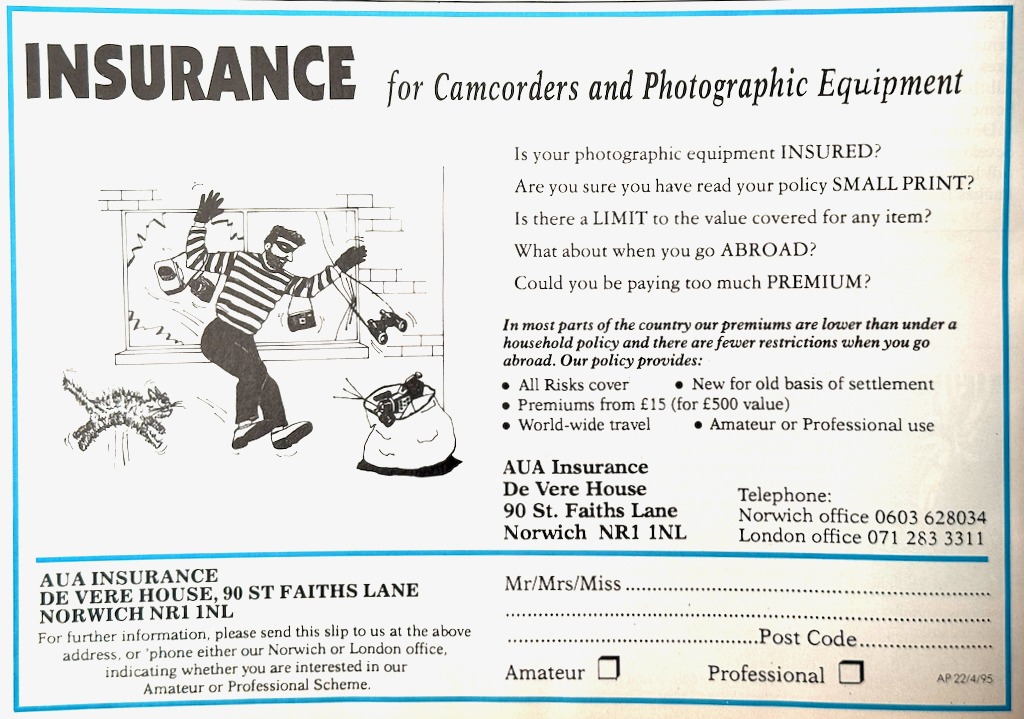
This really is the most amateur effort I’ve seen and it stuck out like a sore thumb. For something as important as insurance I’m not sure I’d trust a company that looks like it photocopied a page out of Burglar Bill and then asked the work experience kid to knock up an advert in Word 95.
The company in question did indeed exist and must’ve been reasonably successful as they were active well into the 2000’s. What became of them is a mystery as there were rumours the business was being sold off, then denials. Looking at their last available website on Archive.org shows they weren’t much better at marketing even when the internet came along. The website is now dead and I’d presume the company too.
Speculation
One of the biggest changes facing the photography industry in 1995 was the imminent launch of the Advanced Photo System or APS. APS is widely derided and in hindsight was largely doomed from the start but that’s quite a simplistic view of its legacy.
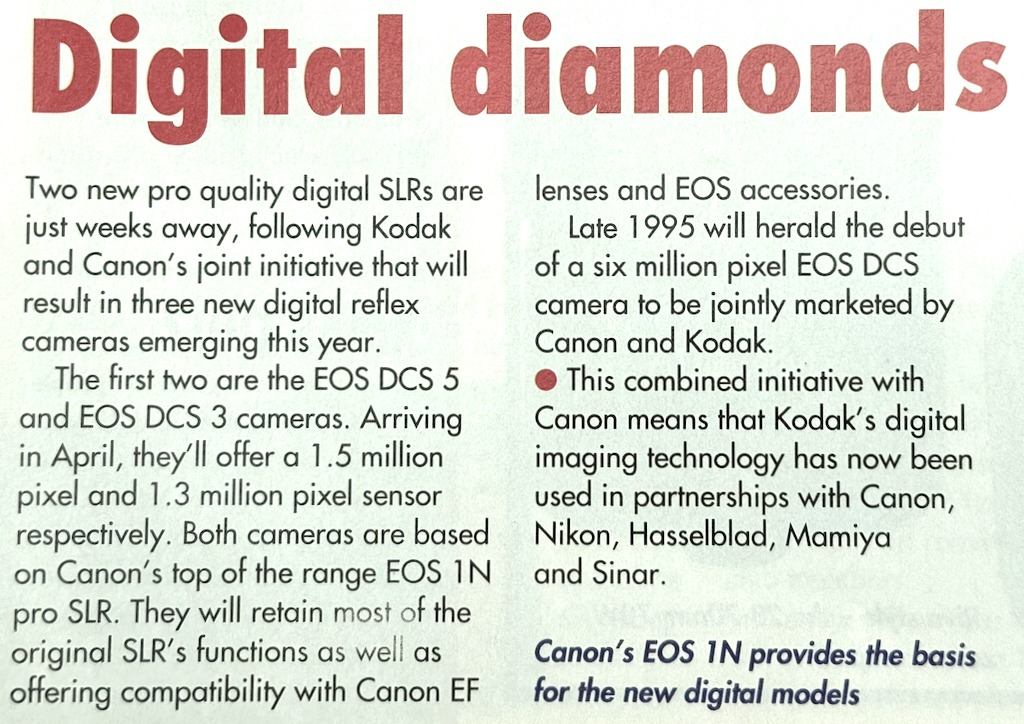
In 1995, people knew that digital imaging was coming and there were already digital cameras on the market if you had £15,000 to spend on a 1.5mp Franken-camera mash up of a Kodak imaging sensor and a Canon EOS 1n. However, no one truly expected it to be the dominant force in photography for a long, long time. Certainly no one predicted that it would only take ten years for digital cameras to be so good that the film market would effectively be reduced to niche hobbyists and artists.
In light of this, Kodak had tried to convince almost the entire industry that the future was film, but in an easier to use format. Weaknesses of 35mm film were cited as it being difficult to use, problems with loading, the need to store negatives after development and the biggest of all – mid roll changes are difficult. Realistically, only one of these is a valid criticism, mid roll rewind is always a hassle, but the rest? Hmm.
For various reasons, APS introduced a smaller frame size than 35mm and this outraged literally everyone who could remember the days when 35mm was widely panned for being vastly inferior to the standard 120 roll film which could produce positively gargantuan 6×9 negatives. As a trade off, APS offered 40 shots out of a roll rather than 36 and the ability to just drop in a cartridge and off you go. Whilst it’s definitely very easy to use, I’m not sure anyone was really struggling to drop a 35mm cartridge in, pull the leader slightly to the orange mark and then close the back door. Although, it definitely prevented the dreaded loss of frames if you ever opened the back door by accident or suffered from a dodgy door catch.
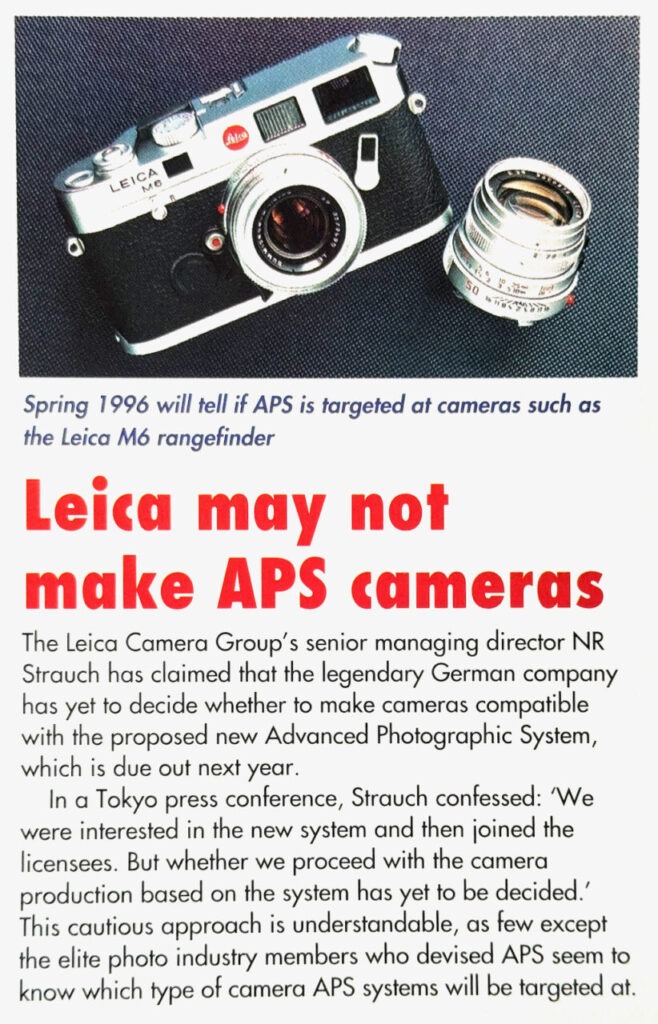
APS is one of those things that had good intentions, was definitely well designed and certainly provided the benefits of years of technological advancements in electronics and camera design but ultimately solved a problem which didn’t really exist.
The costs to photo labs of upgrading or buying new equipment was astronomical, we’re talking a quarter of a million adjusted for inflation and the big camera brands knew APS was never going to cut it for professional work. Canon toyed with the idea of an APS SLR but gave up after only two bodies were released and even that was more than other brands bothered to develop.
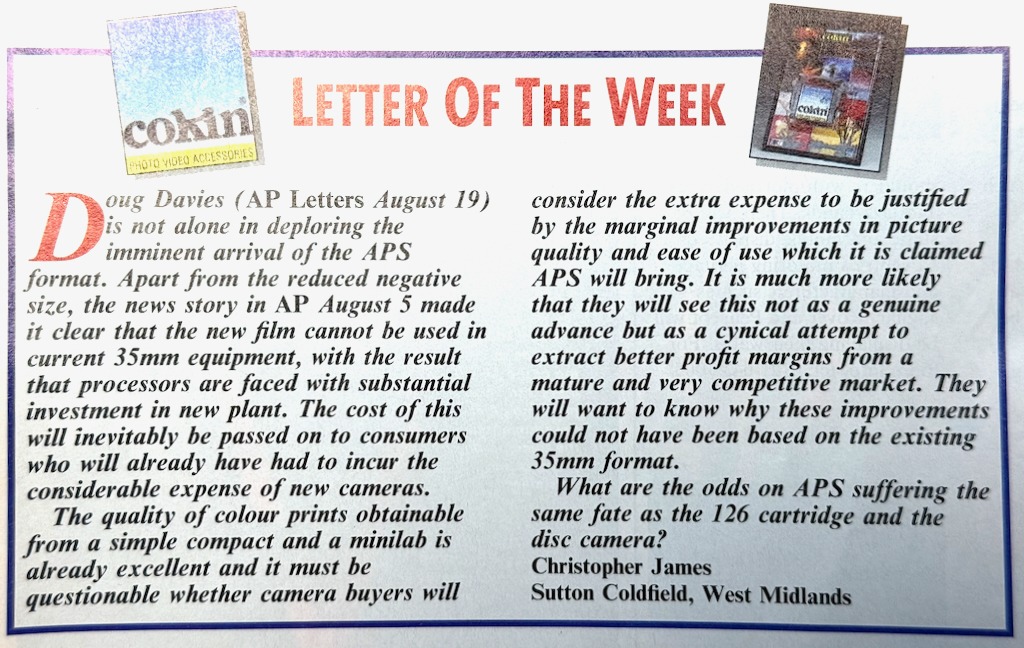
The final nail in the APS coffin was that it was perfect for compact cameras and lots of these were released. Within five years of launching it was possible to buy a rather impressive digital compact camera. Within six years you could buy a compact which blew the average APS compact out of the water with all the benefits that digital gave such as never paying for development costs, instant picture review and…. well, everyone understands why it didn’t work out at that point.
What became of APS? It actually still lives on in “crop sensor” cameras which make use of the APS frame size as the reference for their sensor size. Not a bad legacy for a technology no one really wanted at the time.
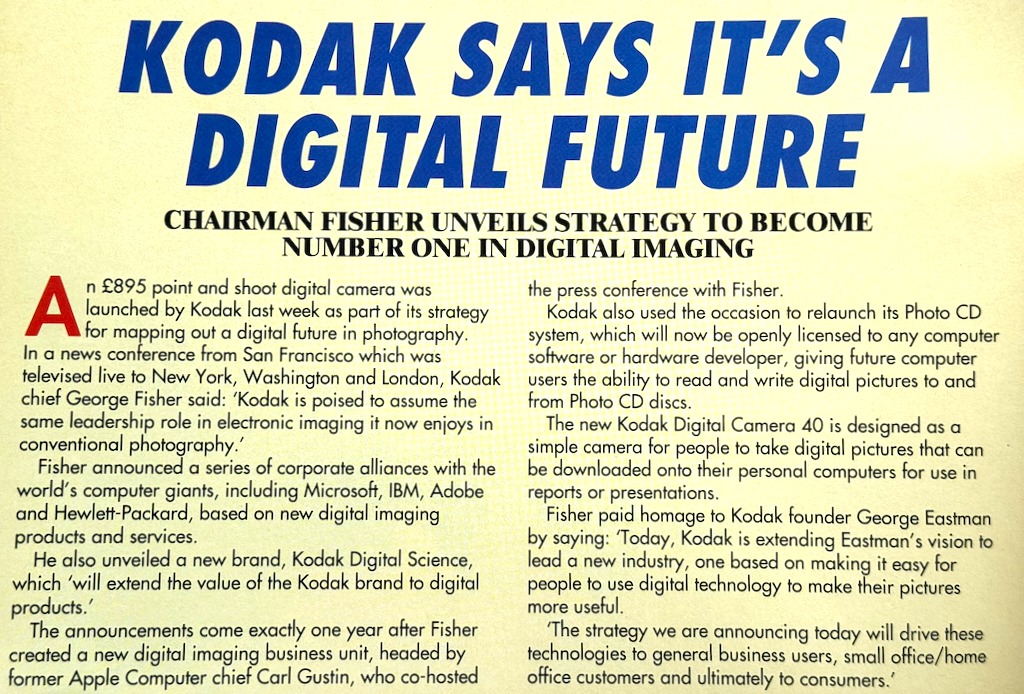
With the 20/20 vision that hindsight provides you can see that this is the point where Kodak began to lose their grip on the industry they’d held an iron grip over seemingly forever. Much has been written about the demise of Kodak but the level of insanity surrounding their total miss in the digital market is almost unbelievable.
In 1995, Kodak were leading in digital imaging, were providing sensors to Canon and Nikon, had released a compact camera and were openly predicting that the future of photography was indeed digital. Just like a petrochemical company today, though, so much of their income depended on their existing product lineup that even though they knew change was coming, they didn’t want to eat their own breakfast and tried to delay the transition for too long to their own detriment.
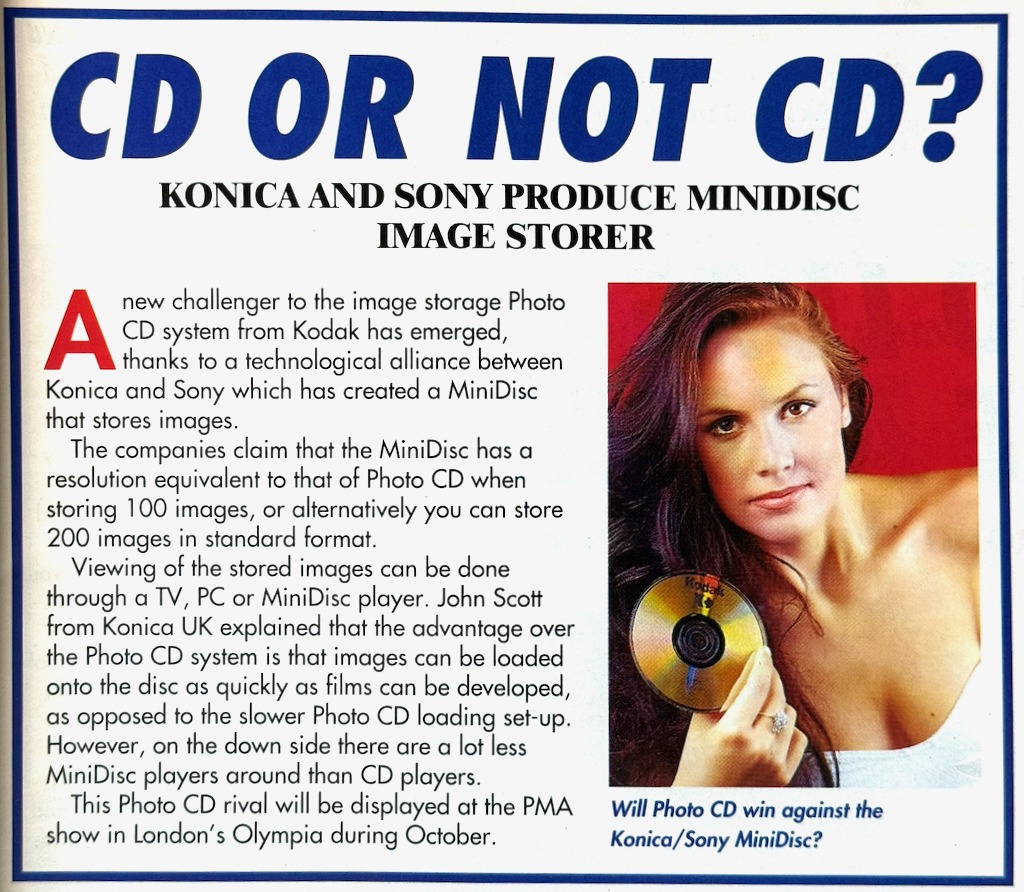
This lead to some properly pointless tech releases like the Kodak photo CD that was meant to bridge the gap between film cameras and the ever expanding digital world as sales of PC’s boomed and demand for “multimedia” content grew at a crazy rate. If you put “CD” or “CD-ROM” on anything from about 1995-1998 you were almost guaranteed some kind of excitement and sales.
I think it’s totally bonkers that Sony even entertained the idea of competing with Photo CD with Mini Disc, but that’s the beginning of a seriously niche tech chat thats best kept for another time.
Finally, there was mention of this little invention:
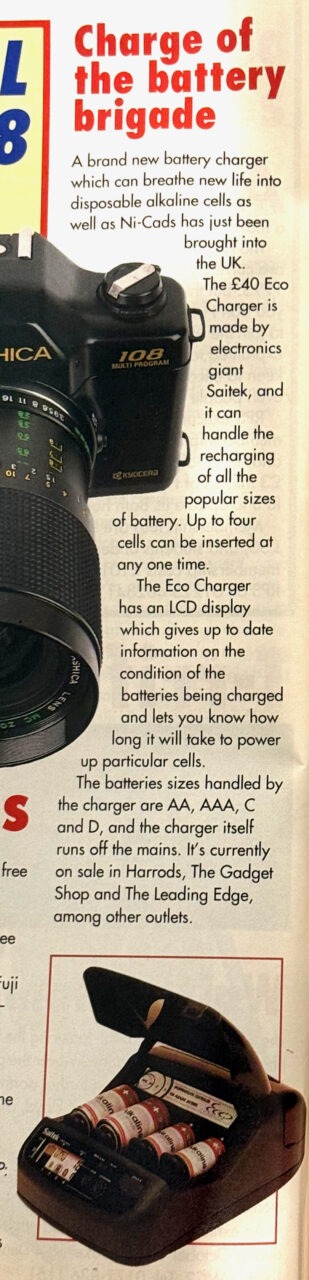
At first glance, this sounds like an amazing invention. A battery charger that can recharge normal, off the shelf alkaline batteries? Surely this is the eco invention of the century.
Hmm.
I downloaded the manual for this battery charger and the first thing you notice is that it’s primarily advertised as a charger for Ni-Cd and Ni-Mh batteries. The mention of Alkaline batteries is more muted, but if you dig further you see repeated mentions of “refreshing” these batteries and being careful to charge them regularly after each short use rather than waiting until they’re depleted. Finally, the manual states you might get 8-20 recharges from a set of Alkalines and a charge includes a quick “refresh.”
It turns out that this is not a great idea. You can indeed recharge standard alkaline batteries to a point. Generally this is only a top up charge and it might be effective, it might not. You might get a few charges out of a set or equally you might find they leak and set on fire.
I think we can all work out why this invention didn’t change the world.
The letters
Well, where would a letters page be without some suitably outraged and appalled individuals? We’ll start with this gem from Mr Dawson who is so offended he’s made it his primary task to write in and complain!
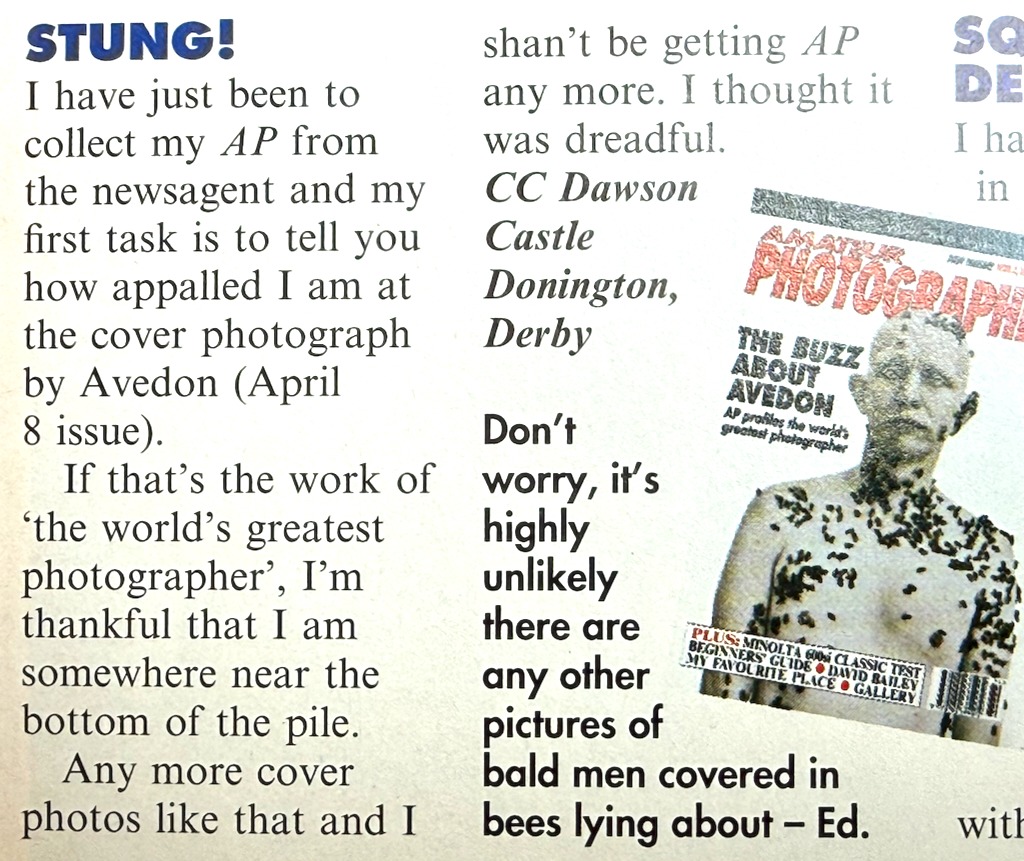
Yes, how dare you print a man with some bees on him. Shame on you.
What’s that? You’d like some more anger at cover photos? Well I’m glad you asked…
Amateur Photographer printed this frankly disgraceful cover and received countless letters from angry readers who felt it was degrading, obscene, should be kept on the top shelf etc. What is this disgusting cover of which they speak? It’s this:
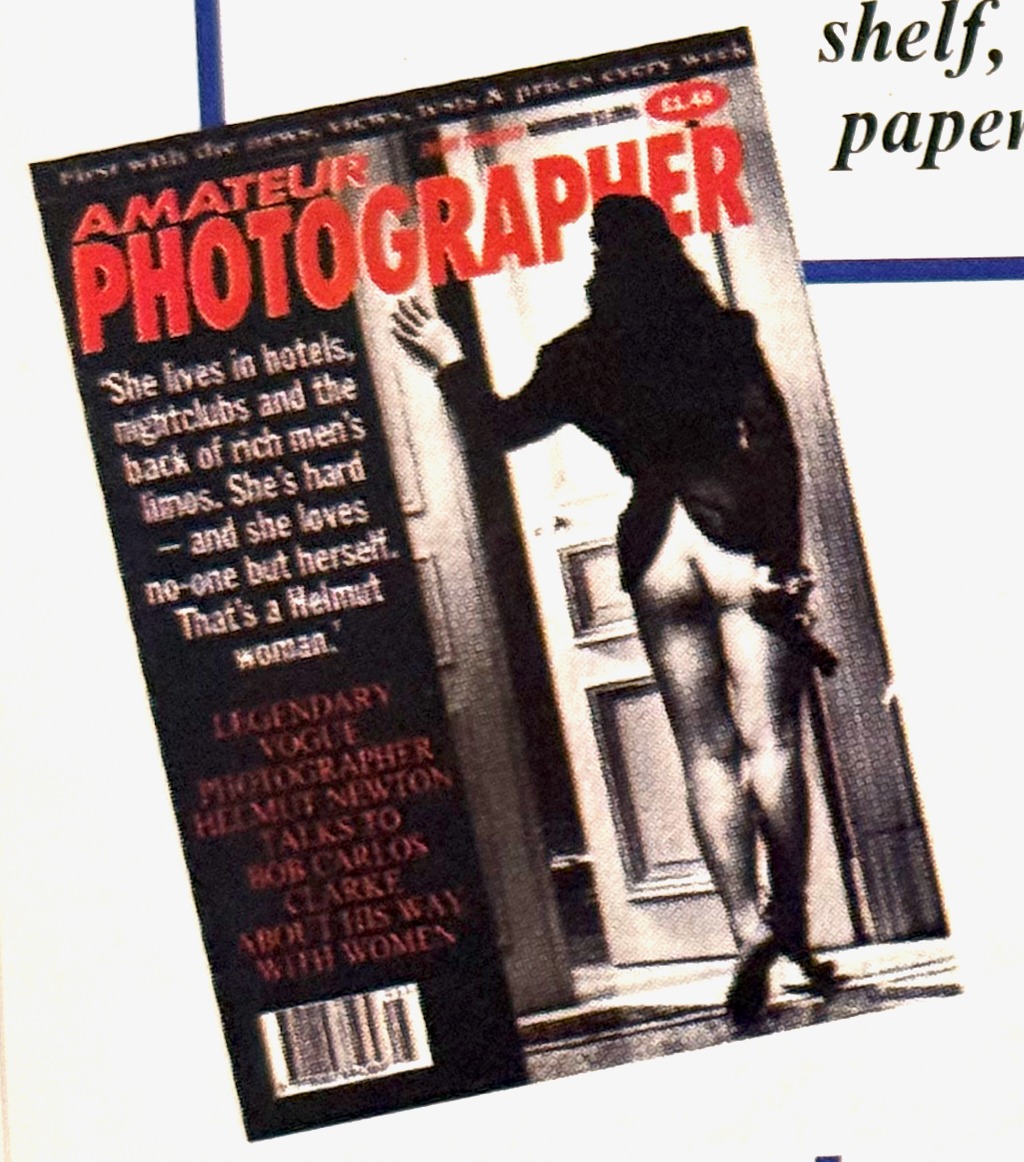
Still, for all the uproar about naked arses, there was this wonderful response from what I truly hope was a genuine pensioner but can’t help think it may well be a little creative work on the behalf of its author…
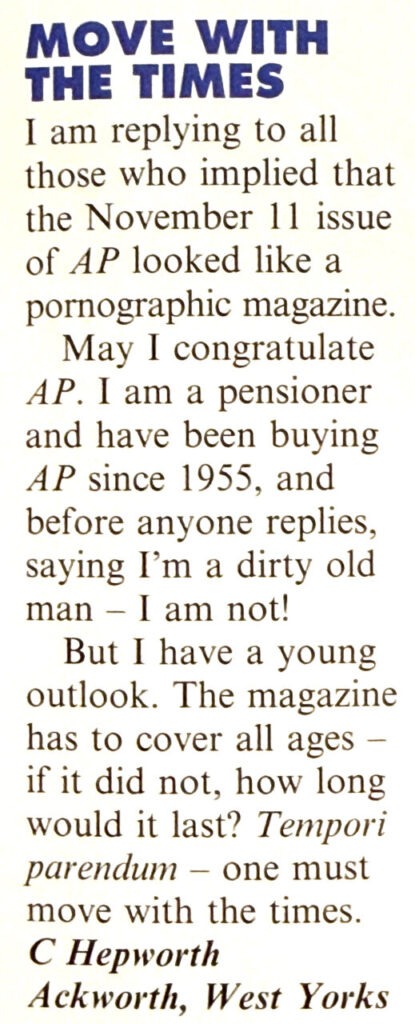
Good on you, Mr Hepworth with your “young outlook” whatever one of those is.
Is that enough female anatomy for you? Of course it isn’t, we need to move on to “tits” now. Please forgive the weird formatting as it was spread over two pages and around a cartoon:
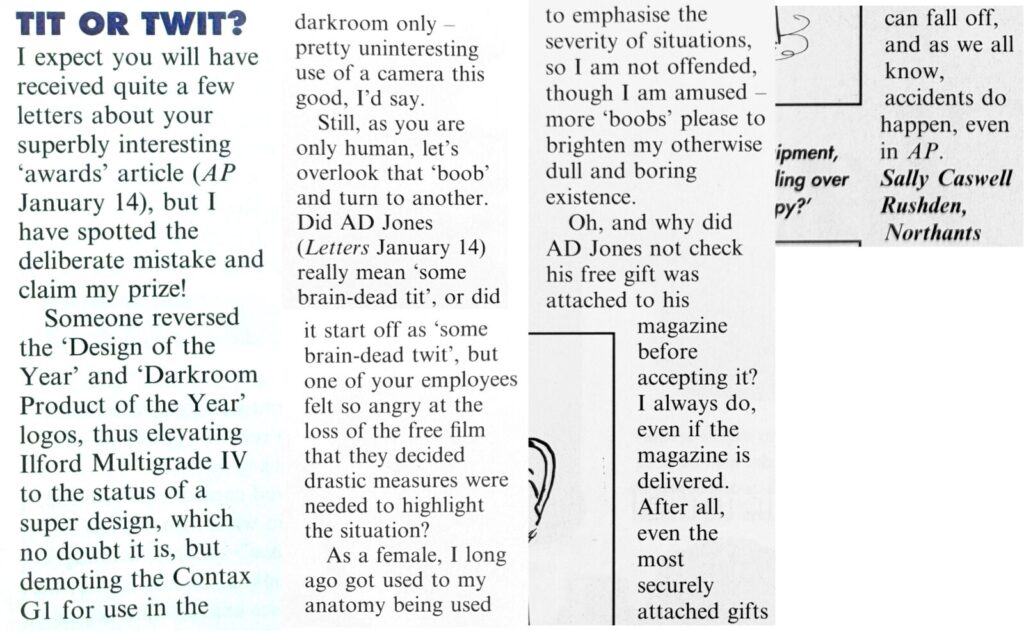
It’s quite the sandwich that Sally provides here. Starting with an innocuous mention of a small mistake as people often loved to point out (to be helpful, of course) then we suddenly veer into the land of “ooo er missus” again as the boobs come out, as it were, all followed up with a closing statement about cover gifts. Whatever the motivation for this tongue in cheek missive, it certainly wound up Mr Chadwick of Liverpool who wrote in a few weeks later with this:
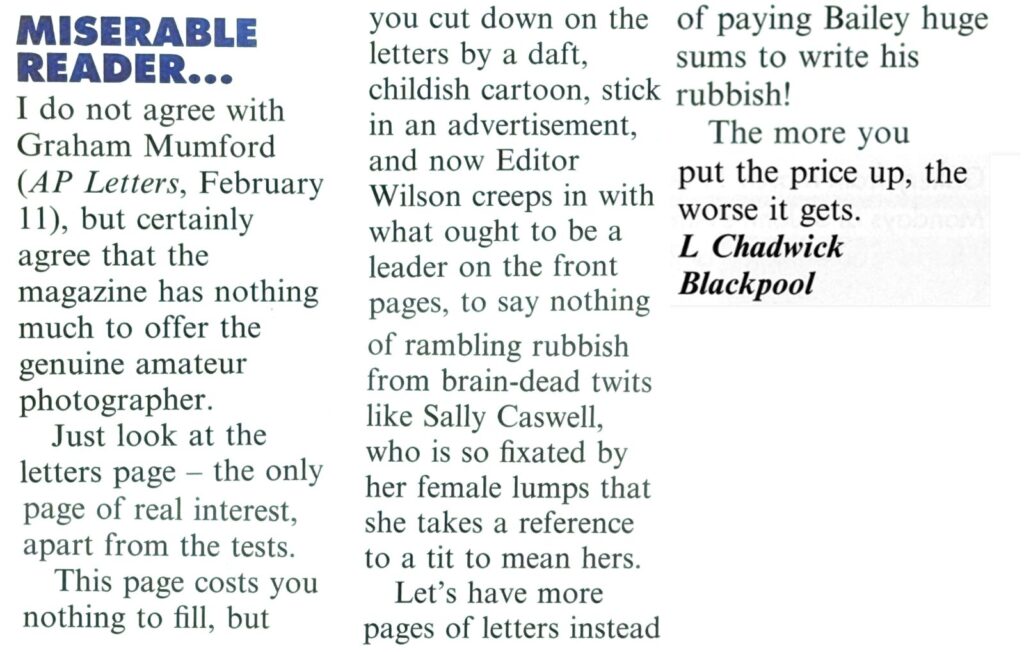
Yes, let’s have more letters! More room for moaning, whinging and, er, insulting each other. Superb.
The incredulity continues with this aptly named incredulous letter:
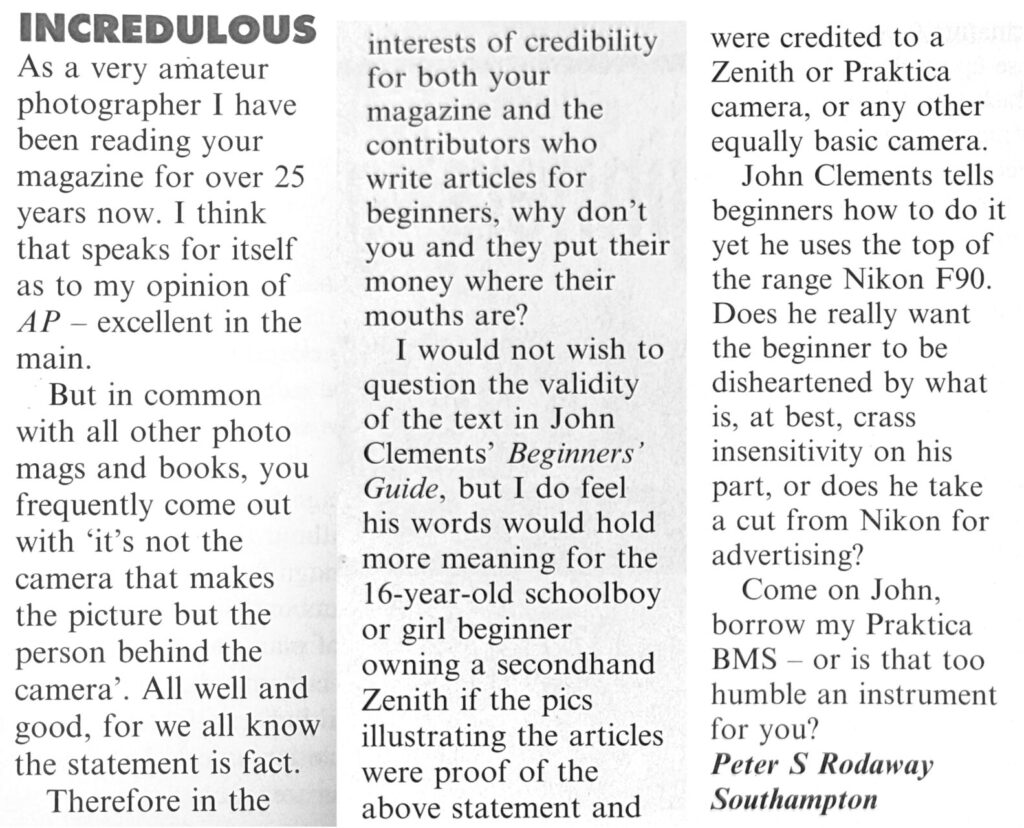
In fairness, I can’t help but agree with Peter. All too often people publish tutorials, videos, articles, books and so forth advocating various techniques and ideas. Usually, they’ll stress you don’t need to latest and greatest expensive equipment to take beautiful pictures (and you really don’t) but then the next image was casually taken with a Hasselblad or Fuji X-pan. It really would be good if someone could just for once release a book or similar titled “any old crap will do” and pull off beautiful work with a broken £5 charity shop special.
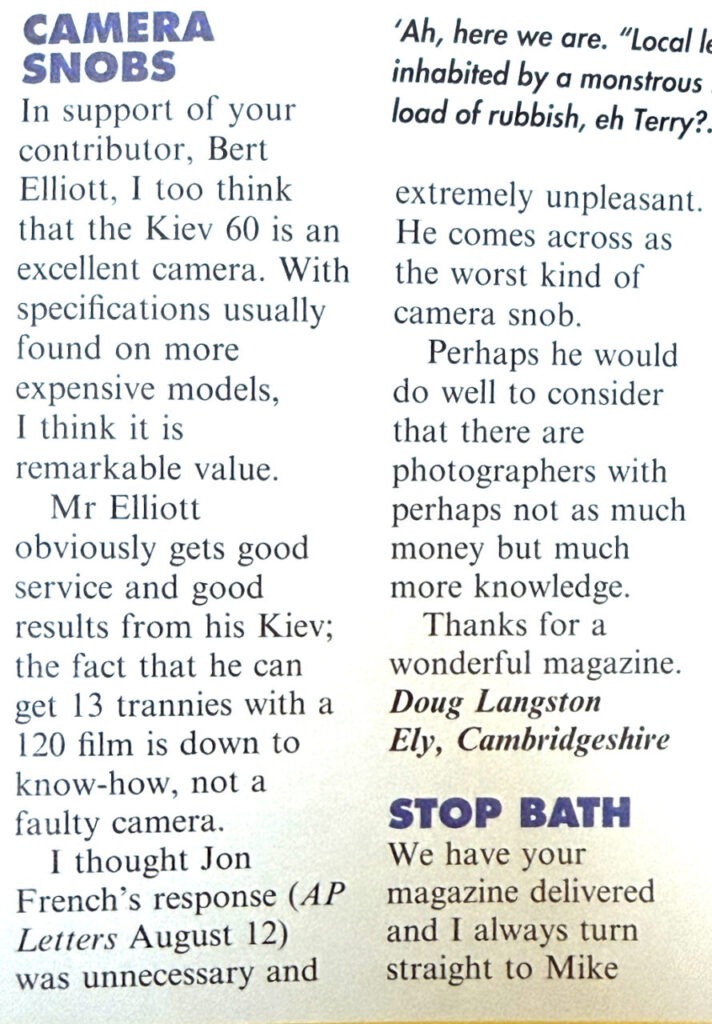
Some people recognised the value of cheap and cheerful cameras, but not everyone. An argument broke out over at least three issues about the merits of the Kiev 60, a 120 roll film SLR which came in at a lot cheaper than equivalent options from more trusted brands.

The insults were flying when one Bert Elliott suggested his camera was either brilliant or broken because he could squeeze far more shots out of a roll of film than should technically be possible. Mr French then blazes in with his reply which boiled down to “there’s a reason your camera can do that, it’s crap.” Well, who’s laughing now, because these things sell for £3-400 these days which isn’t exactly cheap for an underrated, “crap” camera.
Whilst we’re on the subject of conflict, the age old argument about “you get what you pay for” was bubbling along nicely. Customer service has always mattered and you could argue today that it is one of the single most important differentiating factors between online businesses and those few that remain on the high street. I’ve written about this before regarding my experience of buying a Canon 5D Mark III and the outstanding people at The Latent Image who sold my Leica, but the bottom line is customer service really does matter and not just having a face to your business (which helps) but a knowledgeable person who actually cares about your experience is something that’s well worth paying for.
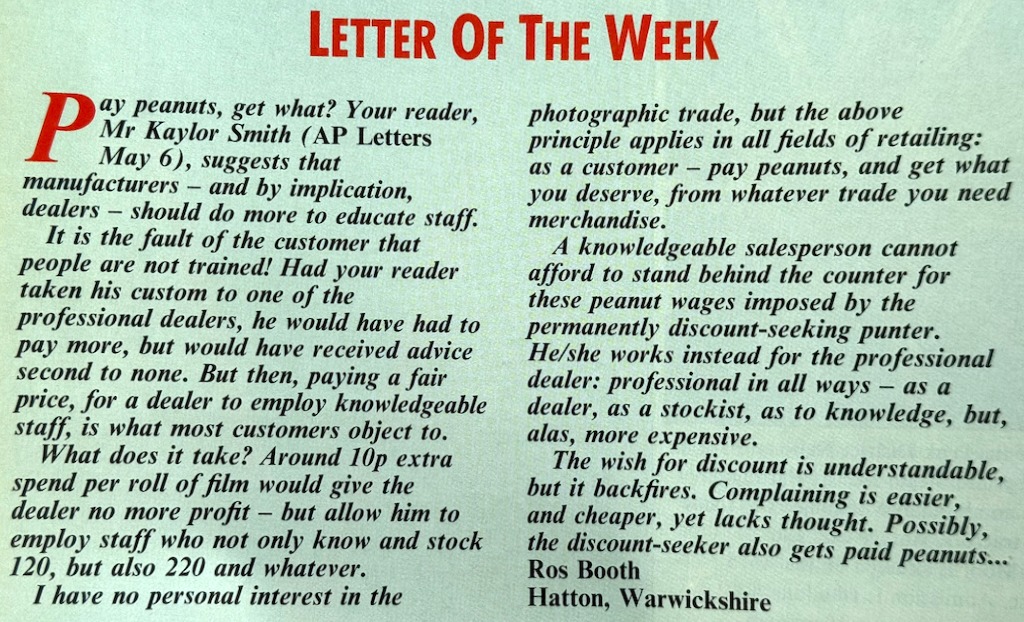
That’s not what Mr Booth thinks. He doesn’t care about you and your problems, only that you should be paid more and be prepared to spend more. If you don’t earn enough money, then you’ve got poor person problems and that leads you to seeking discounts which is why staff aren’t trained?!
Yes…. Quite. But not to worry, the excellent Mr Mills is here to speak common sense on behalf of all decent retail workers.
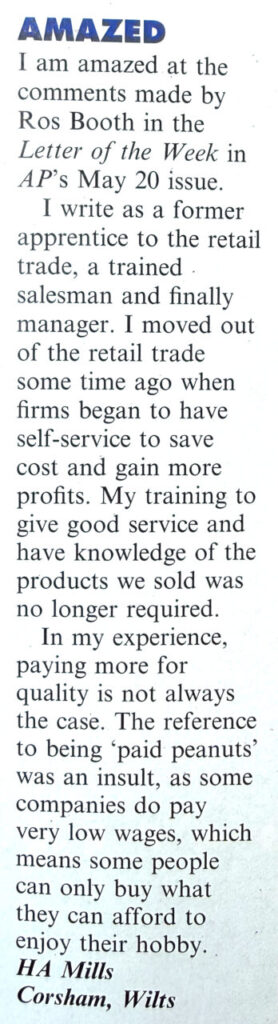
And this is a case of “as it was, so it is today.” We see the same happening today with shops replacing staff with self service checkouts, the never ending march of online commerce and the constant closure of high street branches (especially in banking, for example) which erodes the really rather necessary human element of business.
We learned the value of humanity all too harshly during the pandemic. When loneliness creeps in, people are deeply affected and those little day to day interactions with other people really do make a difference. Having people rather than machines solves problems before they arise. I watched a lady attempting to use the self service check in for an appointment earlier today and was amazed to see how much of a barrier it was to her doing something so simple. A person sat behind a desk would’ve had her checked in within seconds – far more efficient and a better reputation for the business to boot. I then went to the post office and watched one of the staff have to talk another person through how to use their phone application because it hadn’t behaved as expected.
Tech is not always better.
Serious stuff
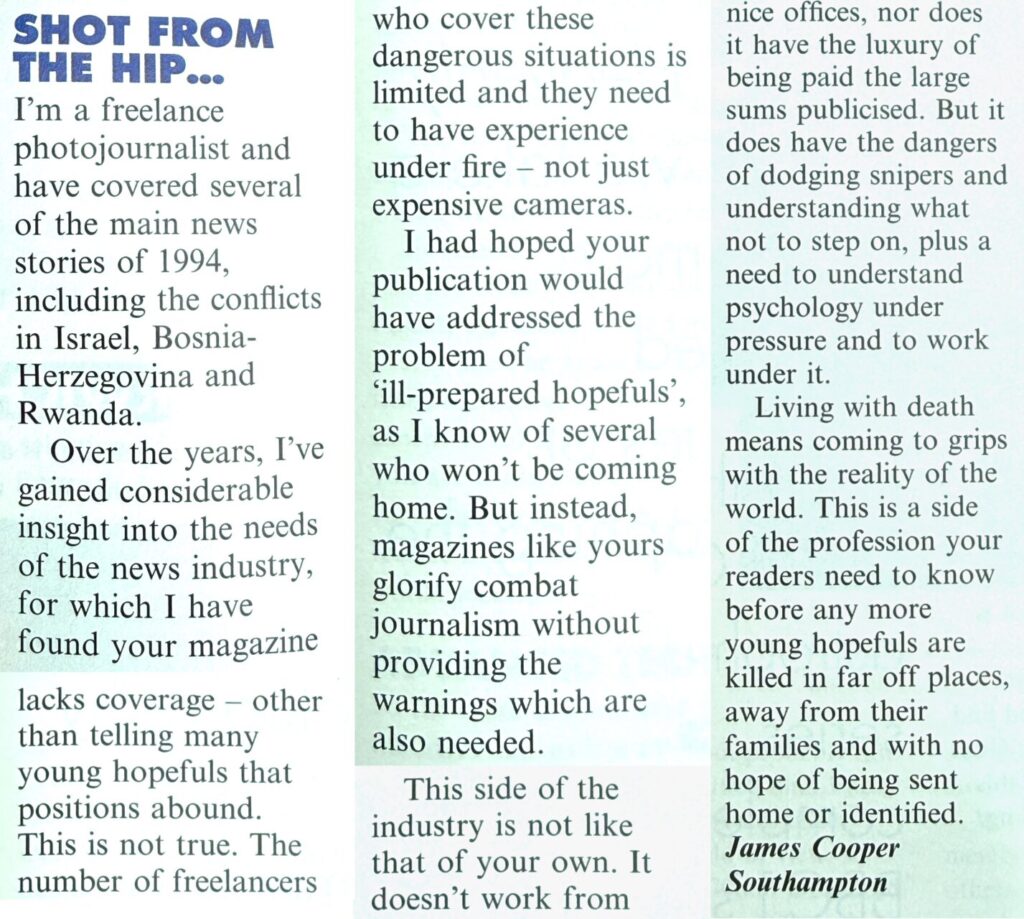
I found this letter probably the most profound of the year. It is definitely true that combat journalism is in many ways glorified and people genuinely do aspire to want to take similar images. It’s easy to see why – there are few situations that conjure so many evocative images than war.
However, no one should ever mistake the gravity and seriousness of war. War is war – people are being killed, lives are being ruined, history being rewritten. War should never be glorified in any way but to document and report on it is absolutely essential. Without the brave men and women who have put their own safety and mental health at risk to cover these conflicts for the wider world, the victims of these conflicts would have less exposure, less of a voice.
People are all too caught up in their own lives to worry about those of people abroad – first world, out of sight, out of mind problems. Only journalism has the power to keep things in our collective conscious and most importantly of all, perhaps to remind us that past horrors should not be repeated. How successful they have been is open to debate.
Finish on a high
Finally, I have this absolute gem of a letter. It came out of nowhere, had no previous letter to prompt it and is one of the best inexplicable angry mic drop letters I think I’ve ever read.
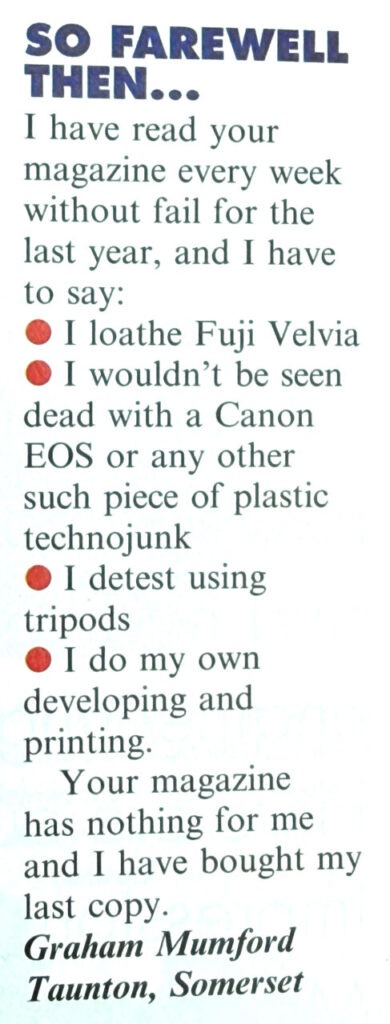
Graham hates the magazine, hates technology, hates you and hates everything else for that matter. Good day to you, Sir!